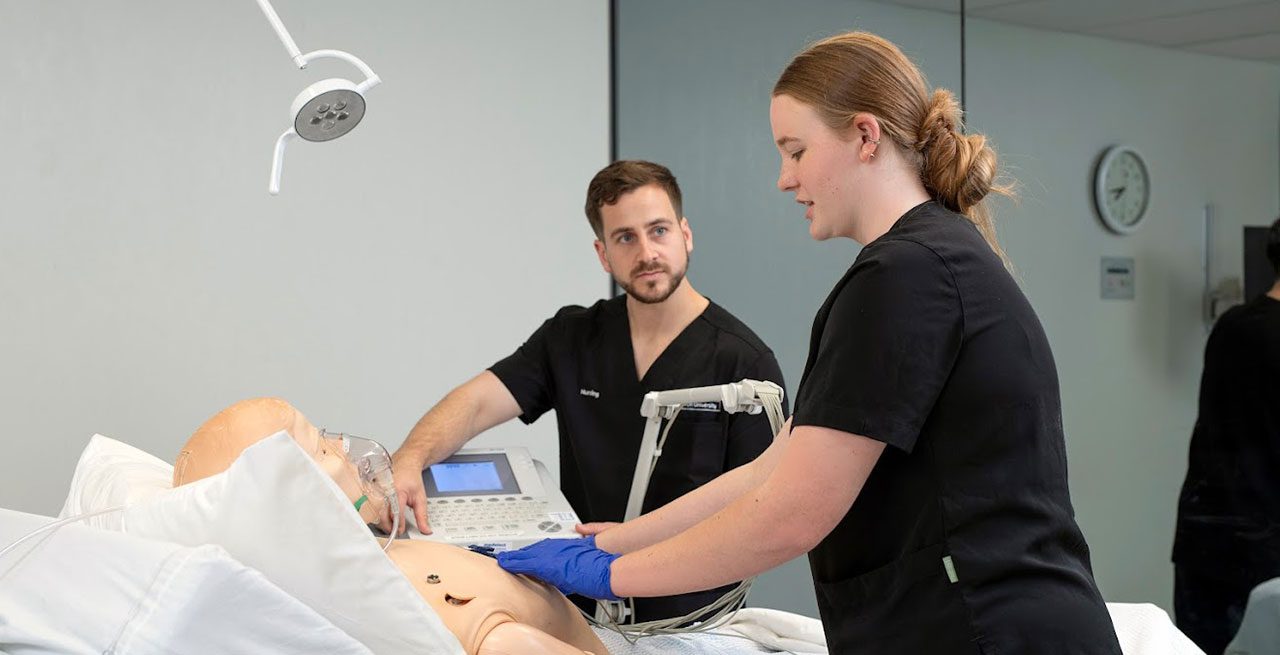
Are you passionate about helping others and making a difference to healthcare? A nursing career could be ideal for you – whether you prefer the fast-paced hospital environment, working in the community or helping patients through telehealth.
As a nurse, you will be an expert health professional providing comprehensive nursing care, support and education to patients and their families. On a day-to-day basis, you may be assessing patients, administering medication and collaborating with other healthcare professionals to deliver personalised care. You will play a key role in advocating for your patients, empowering them with vital knowledge and guiding them through their health concerns.
Six benefits of a career in nursing
1. Plentiful job opportunities
Join Australia’s fastest-growing industry! Jobs in healthcare and social assistance have more than doubled in the past 20 years, and are expected to double again in the next 10 years.1
2. Choose your dream career path
From critical care to cosmetics, there is a huge range of career paths open to nurses. You could find yourself working in a hospital, school or in the community. If you’re wondering what you can do with a Bachelor of Nursing degree, there are plenty of options, including:
- aged care
- cardiac care
- community health
- diabetes care
- health education
- emergency care
- infection control
- intensive care
- mental health
- neuroscience
- occupational health
- oncology
- paediatrics
- palliative care
- rehabilitation
- remote / rural
- telehealth
3. Enjoy a flexible schedule
Whether it’s working hours that suit your needs through a nursing agency, or becoming a travel nurse in rural Australia, you can choose nursing roles that offer greater freedom, flexibility and work–life balance.
4. Earn a great salary
On average, registered nurses earn about $1937 a week – which is more than 20% higher than the national median salary – and one-quarter of RNs earn more than $2367 a week.3
5. Make a difference
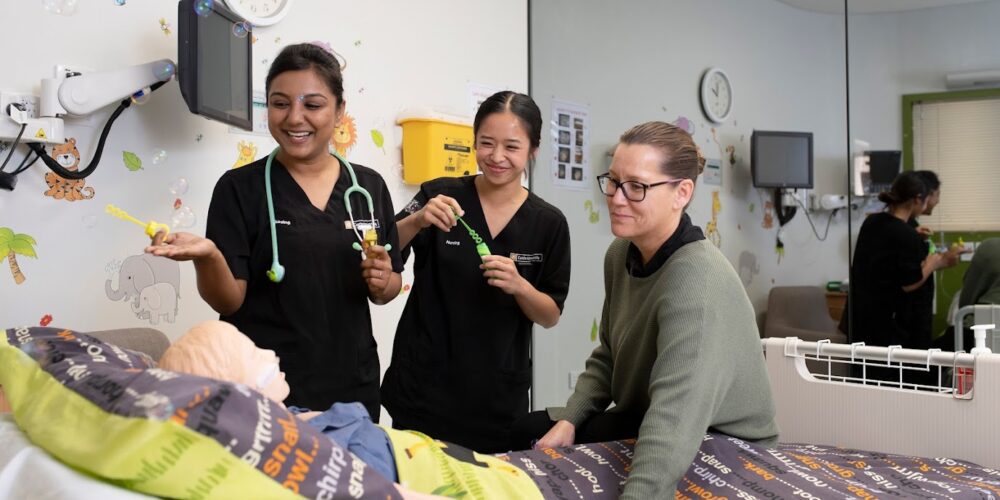
Nurses are critical to the healthcare system, providing safe, quality care to individuals, families and communities. Whether it’s supporting the elderly, caring for those with a terminal diagnosis or distracting a child when administering a vaccination, the positive difference that nurses make is unparalleled.
6. Pack your suitcase
Looking for a new adventure? A career in nursing can open doors to exciting travel opportunities. You could find yourself working as a nurse in rural Australia or experiencing life abroad. You could contribute to global health initiatives, participate in humanitarian missions or volunteer in under-served communities. You’ll get the chance to expand your clinical skills, broaden your network and make memories to last a lifetime.
“Never lose sight of the privileged position that is yours, to be a nurse and a carer, and to remember that your most important responsibility as you move through your studies, and graduate and go into the system, is clinical excellence and compassionate care.” – Joy Brann, Curtin Founding Nurse Academic
How to become a nurse – FAQs
If you have questions about studying to be a nurse, we have the answers!
How do I become a nurse in Australia?
In Australia, there are three types of nurses: enrolled nurses (ENs), registered nurses (RNs) and nurse practitioners.4 You can qualify as an enrolled nurse by completing a Diploma of Nursing. Enrolled nurses work under the supervision of registered nurses, who have a broader range of responsibilities. Most nurses working in Australia are RNs. To become an RN, you’ll need to complete an approved bachelor or master degree in nursing.
I’m an enrolled nurse – how do I become a registered nurse?
If you’re an enrolled nurse who has completed a Diploma in Nursing, you can apply to study our Enrolled Nurse to Registered Nurse Stream. This stream has limited places so we recommend applying early to secure a spot. Located regionally? You can now study this stream at our Curtin Kalgoorlie campus or the Great Southern Universities Centre in Albany. Coursework is delivered through a mix of online and face-to-face units.
I’m a registered nurse overseas – how do I qualify as a nurse in Australia?
If you’re an internationally qualified nurse without current registration to work as a nurse in Australia, you can apply for our “Registered Nurse Conversion Australian Registration Stream”. After completing the course, you can seek registration to work as a nurse in Australia.
If you’re already a registered nurse in Australia but want to upgrade your qualification from a diploma to a bachelor degree, contact our School of Nursing directly to discuss personalised Credit for Recognised Learning opportunities.
Can I study Nursing online?
Because nursing is a ‘hands-on’ profession, our Bachelor of Science (Advanced Nursing) course is a hands-on, practice-based course that is studied on campus and in real-world community and clinical settings.
How long is the Bachelor of Nursing course?
Curtin’s Bachelor of Science (Advanced Nursing) course takes 3.5 years to complete (full-time study). You can apply for registration with the Nursing and Midwifery Board of Australia upon graduation.
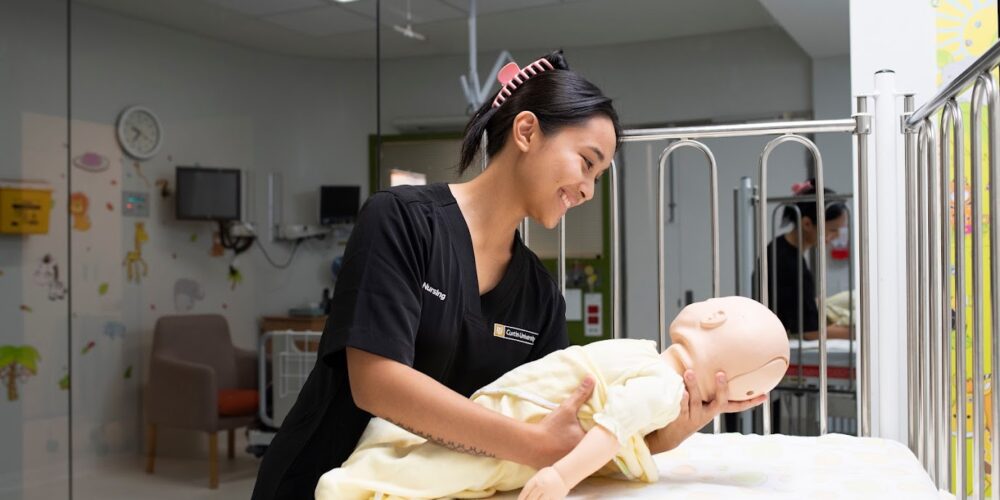
Is the Bachelor of Nursing course hard?
Our Bachelor of Science (Advanced Nursing) is a demanding course but very rewarding! Topics include biological, psychosocial and nursing sciences; advanced clinical skill development; and simulated practice and fieldwork. But if you’re struggling with your studies, Curtin has a range of support services to help you.
I have a bachelor degree in another area – can I change to a nursing career?
If you’re a graduate looking to switch careers to nursing, consider our two-year Master of Nursing Practice. After gaining your master degree, you can apply for registration with the Nursing and Midwifery Board of Australia.
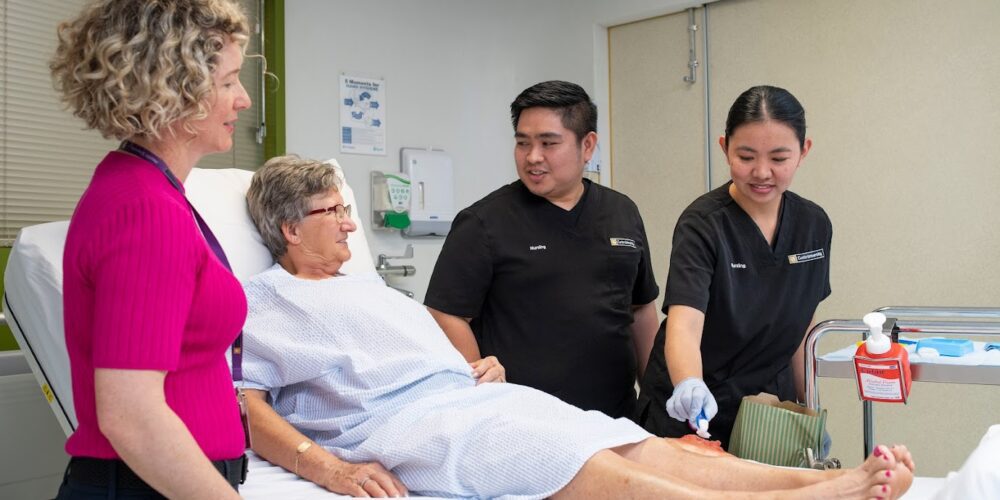
What are Curtin’s nursing courses like?
The Curtin School of Nursing is the oldest established school of nursing in the Australian university sector. We have a long and proud history of pioneering policy, pushing boundaries across disciplines and producing extraordinary graduates who have become esteemed healthcare professionals around the world.
“When I was studying at Curtin, it was a really exciting time. It was the only university that was offering a three-and-a-half year comprehensive nursing course which was a real buzz. We knew that when we went out onto placement in our mint-green uniforms that we were a team, a cohort that were doing not only the art of nursing, but also the science as well. I’ve been really fortunate in my career and my studies have assisted in that. I’ve been in clinical nurse roles, educator roles in hospitals, I’ve sat in director roles within the hospital system. But I’ve also been really fortunate to work at the Department of Health and drive policy and strategic directions in regards to nursing and the broader workforce.”
Dr Sheralee Tamaliunas, Assistant Chief Nursing and Midwifery Officer, Director Strategic Workforce and Development, Clinical Excellence Division, WA Department of Health
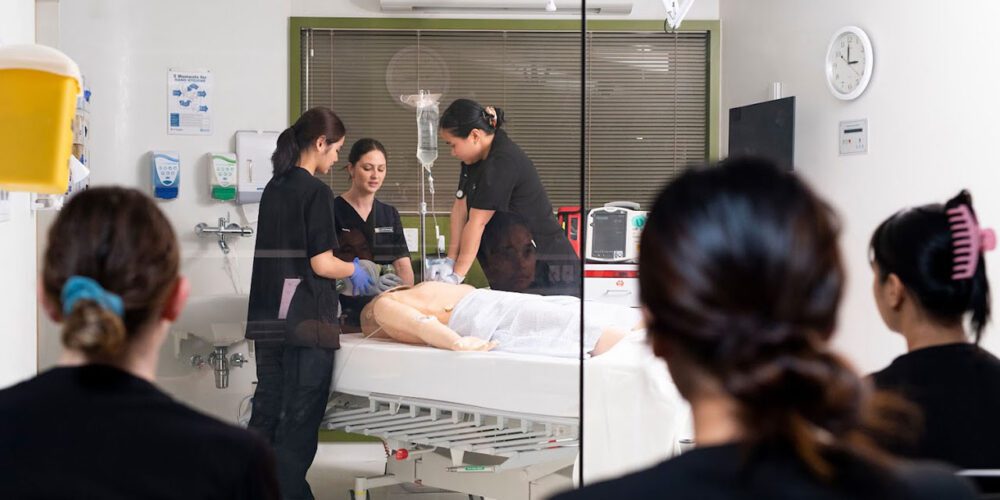
Here are three amazing advantages of studying nursing at Curtin:
Career-ready skills
Our practice-based nursing courses are ranked in the top 100 in the world5 and focus on teaching you the key knowledge and skills for a changing healthcare system. You’ll get the chance to work closely with students in midwifery, paramedicine and oral health therapy as part of an interprofessional healthcare team.
With a strong emphasis on leadership development, our new Bachelor of Science (Advanced Nursing) course helps you build the skills to lead with confidence in clinical settings. Through focused study in mental health and planetary health, you’ll learn to deliver holistic, thoughtful care – preparing you to meet the complex and evolving needs of modern healthcare.
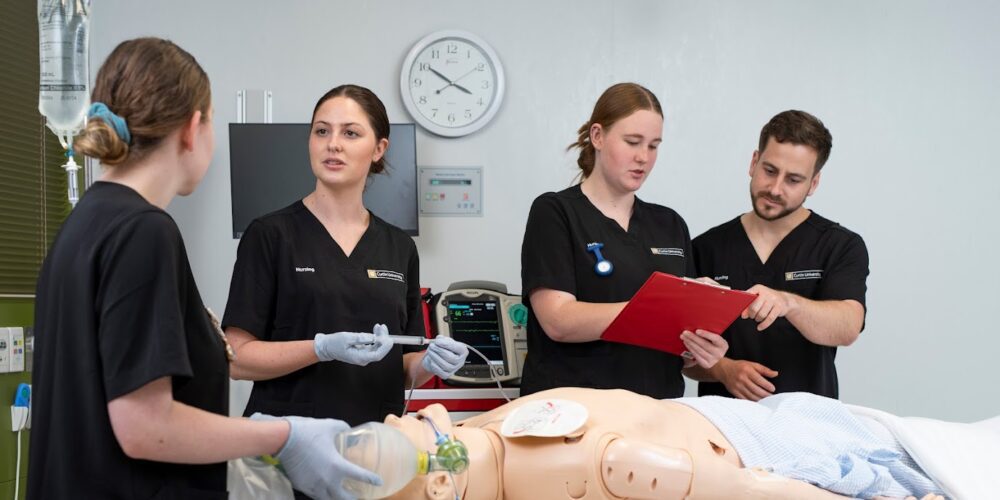
Real-world learning
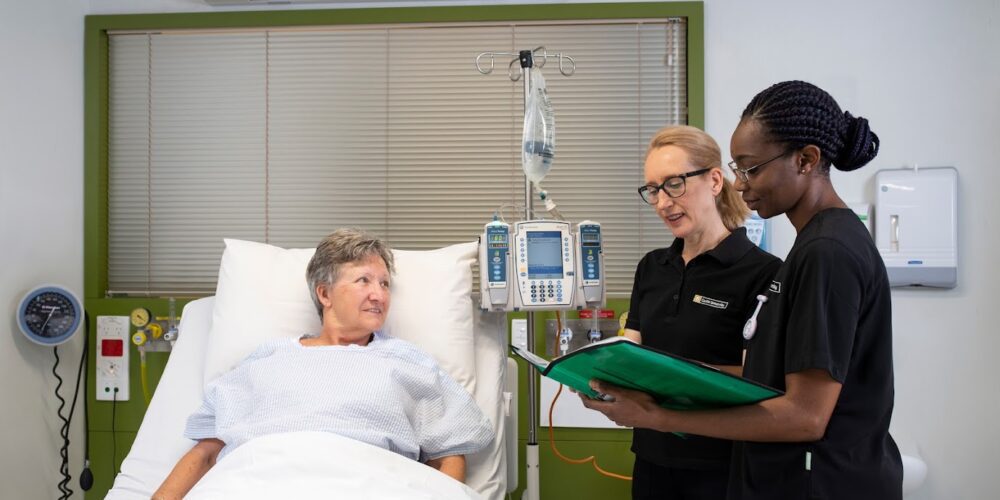
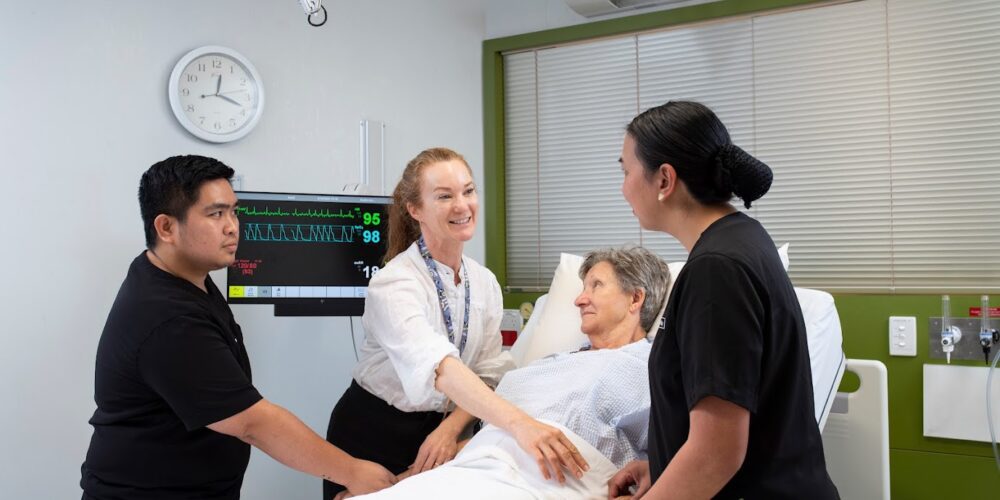
You’ll learn in innovative facilities that replicate real healthcare settings, building your skills in a safe and supported environment, before completing supervised practice in the community.
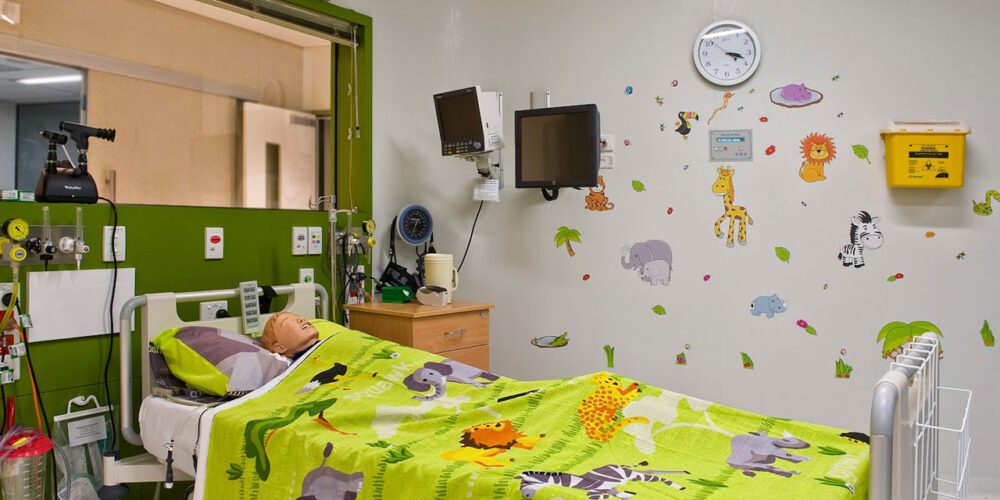
Discover our simulated hospital ward:
International experiences
Keen to take your skills overseas? We offer an exciting range of international study opportunities, including our award-winning Go Global Program.
Discover the moment that inspired Curtin graduate Jason to pursue a career in nursing:
How to advance your nursing career
If you want to expand your skillset and you’re wondering “what can I study after a bachelor of nursing?”, Curtin offers some exciting options.
If you’re passionate about supporting those with diabetes, our Graduate Certificate in Diabetes will further your knowledge of this chronic disease. If you’re looking to advance your career with an in-depth health specialisation, consider Curtin’s Master of Advanced Practice. This 12-month course is the first of its kind in Western Australia and offers expert knowledge across a range of in-demand fields.
You can specialise in:
- Acute Care Nursing
- Advanced Specialty Practice
- Child and Adolescent Health Nursing
- Clinical Leadership
- Critical Care Nursing
- Diabetes Studies
- Midwifery Screening Diagnostics and Prescribing
- Wound, Ostomy and Continence Practice
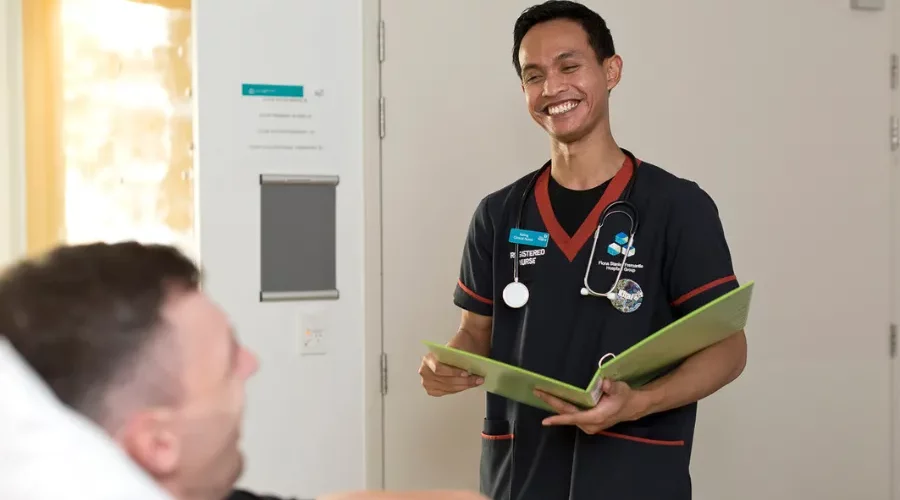
Curtin graduate Khai Kamarudin says his promotion to Acting Clinical Nurse at Fiona Stanley Hospital has enabled him to further his studies and pushed him “beyond his wildest expectations”. His long-term goal is to become a nurse practitioner who specialises in spinal rehabilitation.
“For me, I always wanted a role where I could develop a rapport with my patients, as well as provide them with a high level of care and service. In the spinal ward, patients are usually there for an extended period of time, so it’s wonderful seeing their progress and knowing I had some part to play in that.
“There are endless opportunities within the [nursing] profession. Your nursing degree can take you anywhere. You can start as an ED nurse, be promoted to a clinical nurse, and one day an educator.”
Learn more about Khai’s journey to becoming a nurse.
Ready to scrub up?
If you’re ready to start your career in nursing, learn more about our Bachelor of Science (Advanced Nursing) and Master of Nursing Practice courses. If you want to talk through your options with one of our friendly career advisors, we’re here to help! You can call us during business hours on 1300 222 888 or ask us your question online and we’ll get back to you soon.
- https://www.jobsandskills.gov.au/data/employment-projections
- https://www.health.gov.au/topics/nurses-and-midwives/about
- https://labourmarketinsights.gov.au/occupation-profile/registered-nurses?occupationCode=2544
- Nurse practitioners are highly experienced RNs who have been endorsed by the Nursing and Midwifery Board and have completed postgraduate study at a master’s degree level.
- QS World University Ranking by Subject 2025