Reading time: 7 minutes
When Shanelle began her PhD at Curtin University, she wasn’t just pursuing an academic goal, she was working toward a future where people with low vision could navigate the world more independently. Now developing AI-powered systems for semi-autonomous wheelchairs, Shanelle’s research sits at the intersection of engineering, healthcare and human-centred design.
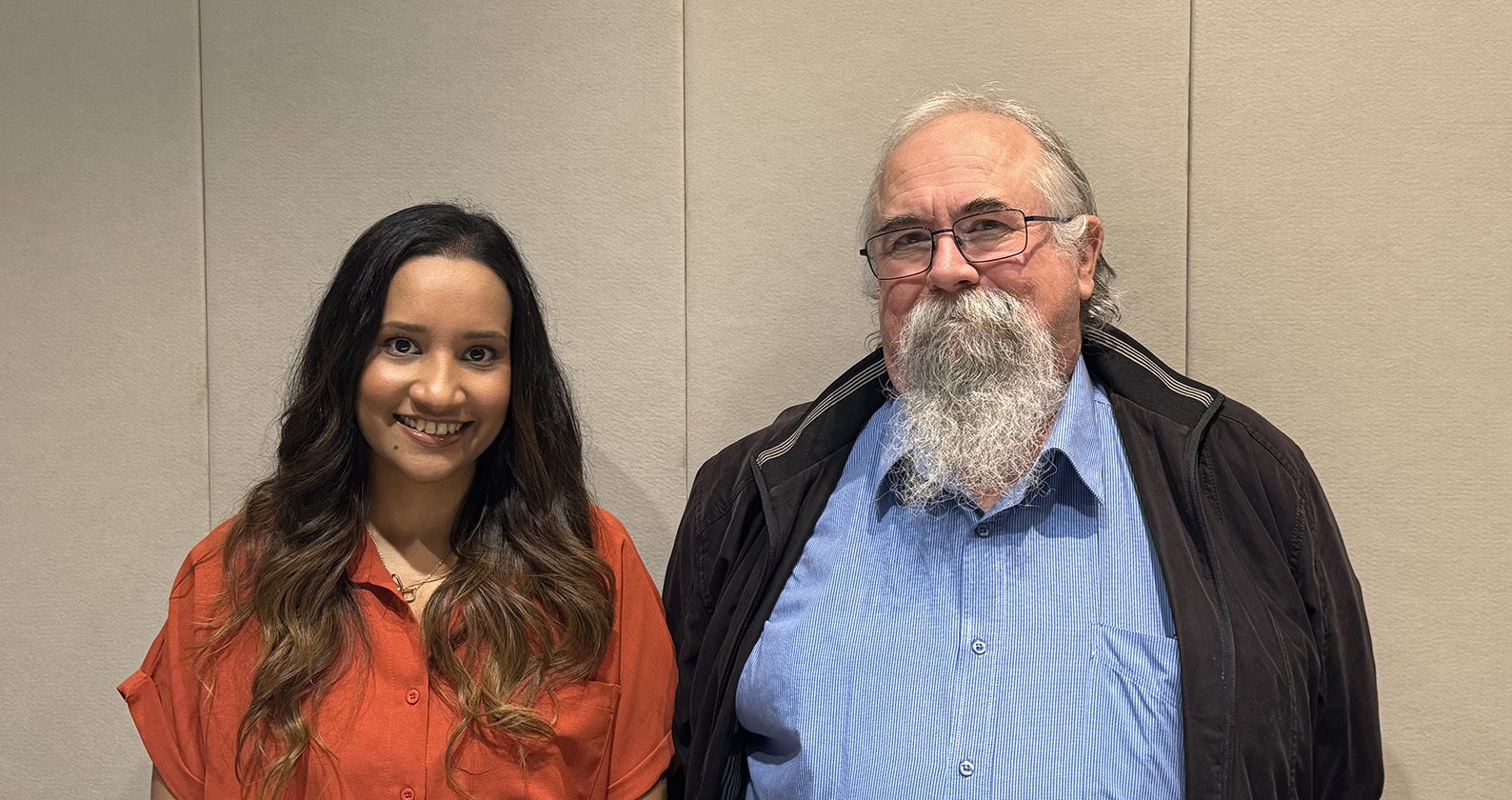
Shanelle Tennekoon is completing a PhD in Curtin University’s School of Electrical Engineering, Computing and Mathematical Sciences, co-supervised by Curtin’s Professor Iain Murray and Dr. Nimsiri Abhayasinghe. Shanelle and Iain reflect on the research journey, its challenges and highlights, and their supervisory relationship.
Shanelle:
I completed my undergraduate degree in Electrical and Electronic Engineering at Sri Lanka Institute of Information Technology (SLIIT) in Sri Lanka, where I’m originally from. During my final year, I developed a strong interest in assistive technology. My honours project focused on designing a system to help visually impaired people shop independently, without assistance. The project incorporated machine learning, computer vision and AI models, and that experience really shaped the direction I wanted to pursue in research.
I was keen to move directly into a PhD after my bachelor’s degree. However, securing a funded position was extremely competitive, especially internationally. For some time, I felt discouraged and even considered giving up on the idea. I originally explored opportunities in Europe, as Australia initially felt out of reach due to how competitive scholarships are.
While I was still in Sri Lanka, SLIIT organised a conference where Iain was invited as a guest speaker. At the time, my undergraduate supervisor and mentor, Dr. Nimsiri Abhayasinghe, who is now also one of my co-supervisors, encouraged me to speak with him. Dr. Abhayasinghe knew about my strong interest in assistive technology and told me that Professor Ian was a leading figure in the field – someone I should definitely connect with. I introduced myself and shared my research interests, and during that conversation, he mentioned an ongoing project focused on assistive wheelchairs, specifically translating research into a practical embedded system.
The project immediately resonated with me. Even before understanding all the logistics, I knew it was exactly the kind of work I wanted to pursue.
Professor Iain encouraged me to apply formally. Fortunately, I was accepted into the program, and I remain incredibly grateful for that opportunity.
One of the biggest challenges was narrowing down the scope of the project. When I first started, the research was already underway, and I struggled to understand where exactly I fit within it. The project was broad and multidisciplinary, and in the early months, I found it difficult to define precisely what my contribution should be and how to break the work into manageable components. Together, we broke the larger vision into smaller, more structured components. That structured approach gave me clarity and direction.
One of the greatest highlights has been working across multiple disciplines and seeing how each area of expertise contributes to a practical, real-world solution. Collaborating with Professor Murray and Dr. Abhayasinghe has allowed me to learn from a diverse range of perspectives.
I also conducted a user preference survey where I had the opportunity to speak with individuals who would ultimately benefit from this technology. Hearing their feedback and understanding their lived experiences reinforced the purpose behind the research. It reminded me that this PhD is not just an academic exercise – it has the potential to genuinely improve people’s lives.
Winning first place in the Three Minute Thesis competition also felt like a powerful validation of my research.
It confirmed that not only did I understand my work deeply, but I could also communicate it effectively to a broad audience. That recognition was a very special moment in my PhD journey.
One of the qualities I admire most in Professor Iain is his kindness and supportiveness. As an international student living away from my family for the first time, everything felt new and, at times, overwhelming. He created a safe and welcoming environment where I could learn, ask questions, and even make mistakes without fear of judgment.
I remember a period last year when I was unwell and fell behind in my work – I felt extremely disappointed in myself. His response was simple: “We all have good days and bad days. Don’t worry about it.” That reassurance meant a great deal. It helped me regain perspective and motivated me to move forward.
I believe our relationship works well because it balances structure with independence. At the same time, he has always been accessible. For students, being proactive is essential. For supervisors, creating a supportive environment is equally important – not just for research productivity, but for mental wellbeing.
Open, honest communication is key. A PhD can be demanding, and knowing that your supervisor understands that you’re human – whether you’re unwell or facing challenges – makes all the difference.
Iain:
I’ve always been drawn to projects that have a clear connection to industry and real-world impact. I originally came from industry rather than academia – although I suppose I can now be considered a career academic. When evaluating potential research projects, I always ask:
Will this make a difference to end users? Will it have tangible impact?
I’ve had a long-standing passion for assistive technology, particularly in the field of vision impairment, which I’ve been involved in for nearly 40 years. That interest is deeply personal, my brother was blind, so improving accessibility has always mattered to me on both a professional and personal level.
Over the years, I established the Cisco Academy for the Vision Impaired, a global initiative that teaches IT skills to people who are blind. I’ve also worked on numerous projects aimed at improving usability and accessibility in technology.
The idea for the assistive wheelchair project developed through conversations with Clyde Wheelchairs. Initially, we were supporting them with modernising aspects of their production facilities, including automated manufacturing processes. During those discussions, we began talking about powered wheelchairs and what they could – and couldn’t – do. When they explained that users simply steer them manually, I asked, “What happens if someone can’t see well enough to navigate safely?” The answer was essentially that such individuals couldn’t use the wheelchair independently.
That raised an important question for me: if we can develop self-driving cars, why not self-driving wheelchairs? Of course, the answer lies in the complexity of medical device regulations, safety standards, and compliance requirements. But rather than seeing those as barriers, we saw them as challenges to address through research.
From there, the idea evolved into developing a powered wheelchair system that could meet regulatory requirements while enabling people with low vision to navigate safely and independently. For me, it was the ideal research project – technically challenging, industry-connected, and with genuine community impact.
Seeing someone genuinely inspired by their work is energising – especially at this stage of my career. There’s a saying that every generation worries about the next. But when I see the dedication and commitment of students like Shanelle, I’m confident that the future is in very capable hands.
A PhD supervision relationship is a partnership, not a traditional teacher–student dynamic. We’re working toward the same goal: producing strong research and achieving meaningful outcomes. When the student succeeds, the supervisor succeeds as well. It’s mutually beneficial.
The role of a supervisor is to support and guide – not to dictate. When both parties recognise that shared purpose, the relationship becomes both productive and rewarding.
About the researchers
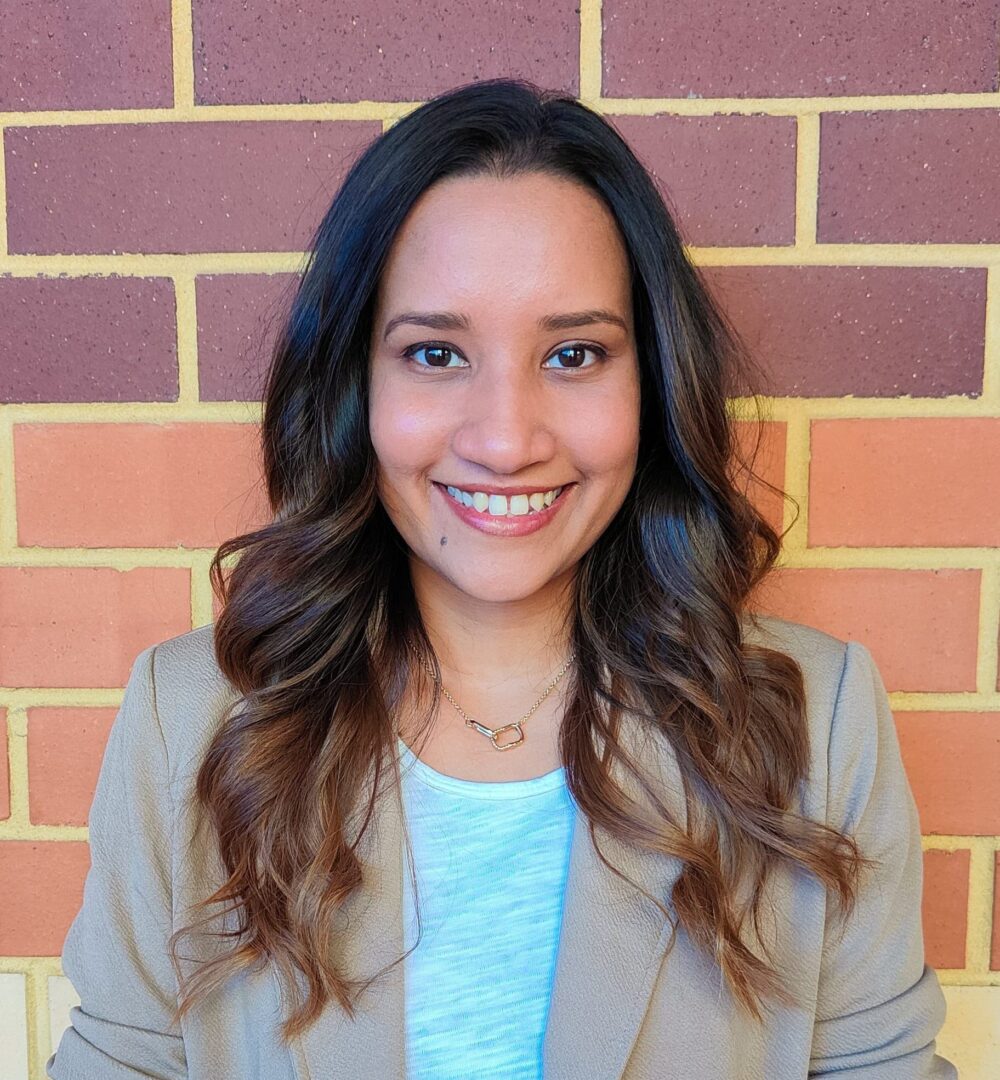
Shanelle Tennekoon
Shanelle is an Electronic Engineer, PhD candidate, and sessional academic in the School of Electrical Engineering, Computing and Mathematical Sciences at Curtin University. She is passionate about creating intelligent navigation systems for assistive wheelchairs.
Her research combines machine learning and artificial intelligence to improve mobility and independence for people with mobility impairments. Shanelle is driven to translate research into real-world impact and inspire future innovators.
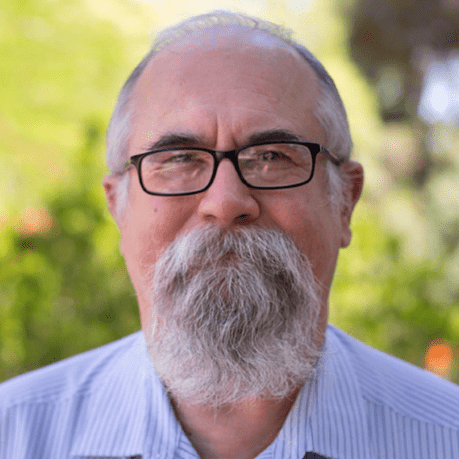
Professor Iain Murray
Professor Iain Murray is a John Curtin Distinguished Professor in the School of Electrical Engineering, Computing and Mathematical Sciences at Curtin University. With nearly 35 years in assistive technology, he founded the Cisco Academy for the Vision Impaired.
His research spans vision-impaired learning environments, IoT, health applications, assistive technology, and engineering education. He is driven to create inclusive technologies and keen to mentor the next generation of researchers.
Co-supervisors
Dr. Nimsiri Abhayasinghe