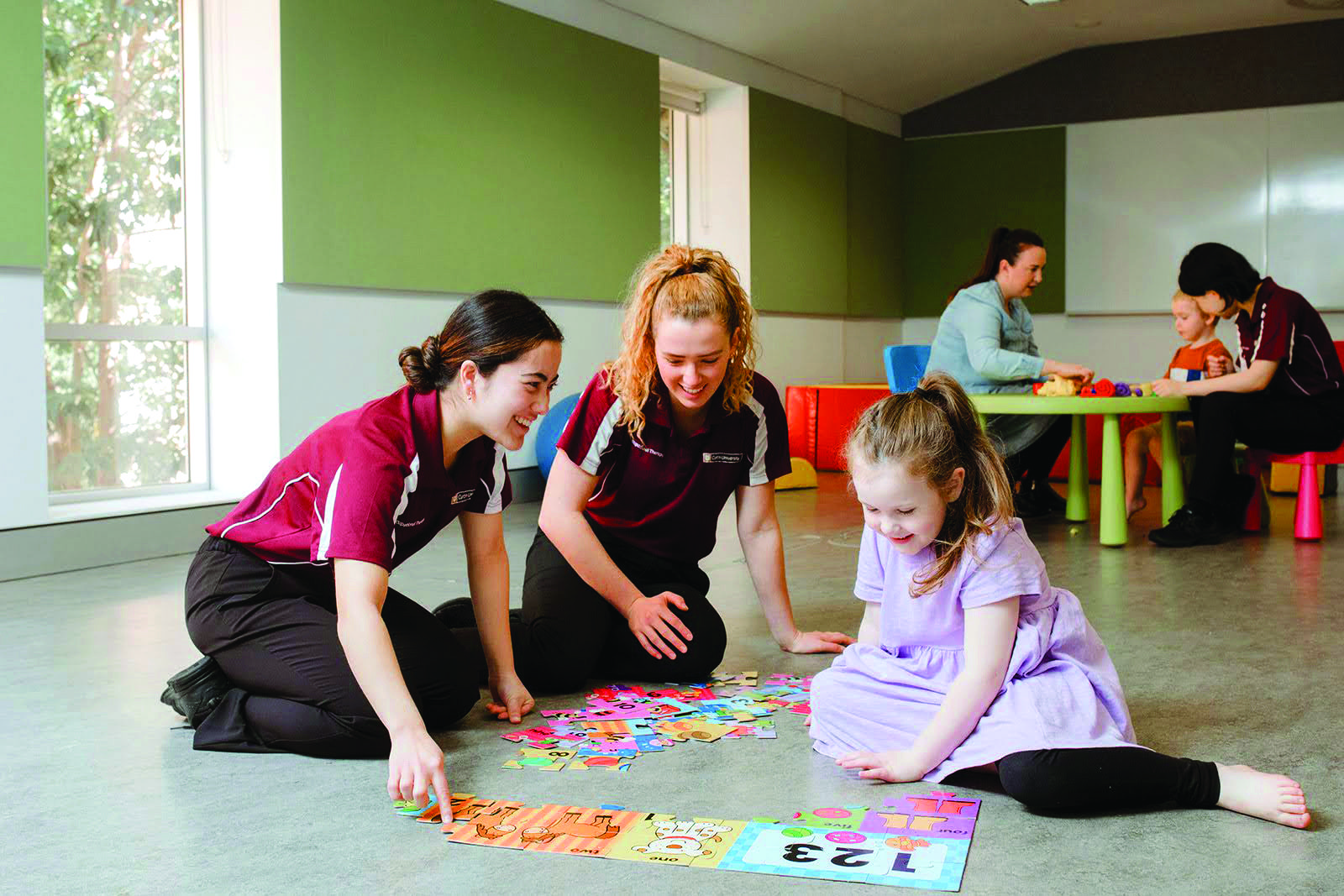
Occupational therapists help individuals regain or develop skills needed to undertake everyday activities, as well as activities that are important to them.
“Occupational therapy is about helping a person to improve their quality of life. It means helping them to engage in meaningful activities after an illness or an injury, or if they have a developmental delay or disability.”
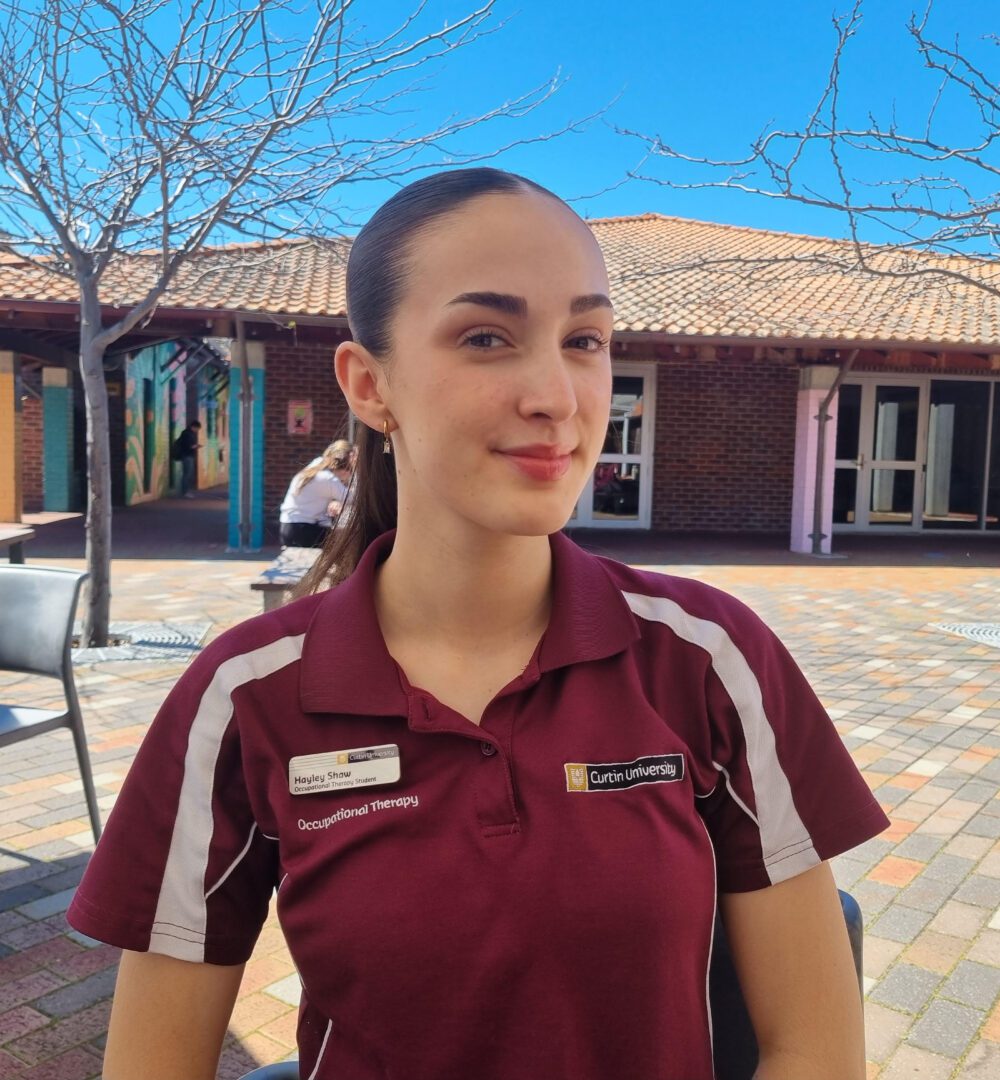
That’s Hayley Shaw, a second-year occupational therapy student at Curtin. If you, like Hayley, enjoy helping others, like hands-on work and are interested in health-related sciences, occupational therapy may just be the career for you.
Quick OT career stats
OTs are in demand: According to 2024 Ahpra survey, there’s growing demand for occupational therapists. Demand is driven by an ageing population, an increase in chronic health conditions and the National Disability Insurance Scheme.
Job prospects: 90.9% of Curtin grads in the rehabilitation field are employed full-time four months after graduating. (Good Universities Guide 2026)
Salary expectations: A$90,000 to $105,000. (Seek)
Read on to discover the rewarding world of occupational therapy – what it is, where occupational therapists work and what you’ll study in an occupational therapy degree. You can also skip to a particular section below:
- Occupational therapy defined
- What kind of person thrives in OT?
- What skills do OTs need?
- Where do OTs work?
- Occupational therapy courses
- What’s the difference between OT and physio?
- OT offers diverse possibilities
Occupational Therapy (OT) defined
As Hayley explained, occupational therapists – or OTs – help individuals to regain or develop skills they need to undertake important activities after experiencing illness, injury, disability or developmental delays.
These activities, known as ‘occupations’, can range from self-care, such as getting dressed or cooking a meal, to undertaking work or study, to participating in social or community-based activities, like group sports or food shopping.
OTs help individuals to gain independence and improve their quality of life by taking a whole-person approach to treatment: they consider the physical aspects of their patient’s condition along with the psychosocial, cognitive and environmental factors that impact their everyday functioning.
What kind of person thrives in OT?
People who enjoy task variety and love working with and helping others are attracted to a career like occupational therapy.
Another Curtin OT student, Becca Codd, sums it up:
“I wanted to work with people and utilise my interpersonal skills. What drew me to OT is its versatility and ability to work in numerous practice areas – from neuroscience and hand therapy to working with kids and in aged care.”

Hayley agrees that strong interpersonal skills are key to being a good OT. She earned a position as an assistant OT at a Perth public hospital after excelling in its the Aboriginal Cadetship Program.
In her role, Hayley supports elderly patients with self-care occupations such as bathing and dressing. Because these activities are so personal, Hayley says it’s crucial she builds rapport and trust with her patients through practising skills such as communication, empathy and compassion.
“Sometimes it’s just about providing encouragement to motivate a patient to do daily tasks. Or it might be assessing their cognition through having a casual conversation with them,” Hayley explains.

What skills do OTs need?
In addition to interpersonal skills, other skills OTs need include:
- Clinical: assessment and evaluation, treatment planning.
- Technical: knowledge of therapeutic techniques and adaptive equipment.
- Communication: written and verbal, active listening, empathy.
- Problem-solving: critical thinking and creativity.
- Cultural competency: being aware of, and responding to, cultural diversity.
- Organisation and time-management: prioritising tasks, meeting deadlines.
- Collaboration/teamwork skills: clear communication, problem-solving, conflict resolution.
Where do OTs work?
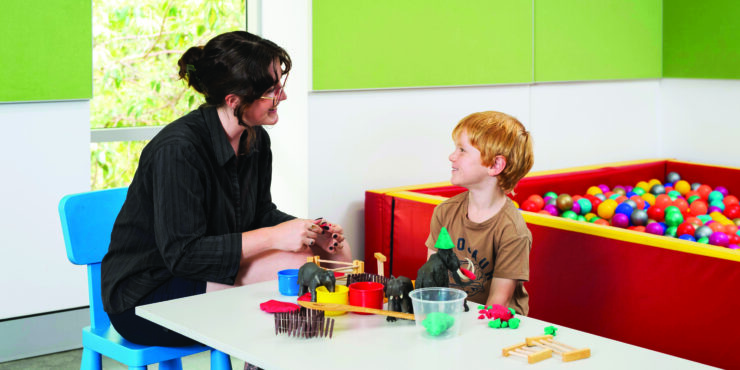
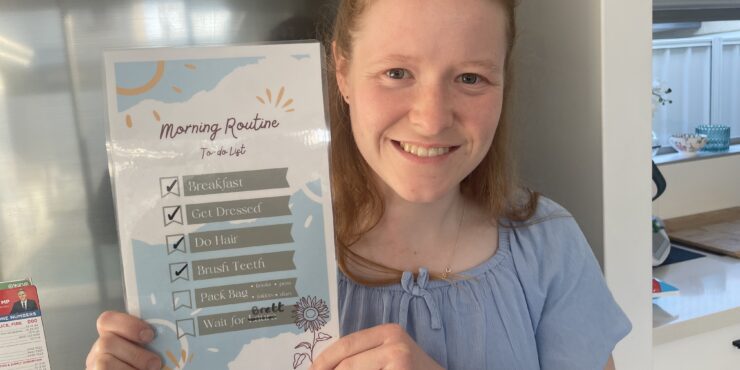
OTs work in a range of sectors across the spectrum of healthcare such as child health, aged care, mental health and disability.
Click on the headings below to learn more about where OTs work:
Occupational therapy courses
Curtin’s Occupational Therapy course focuses on the development of professional skills, ranging from cognitive assessments to environmental modifications. It includes theory – neurological sciences and pain management, for example – laboratory sessions, workshops and clinical practice.
You’ll complete your lab work in specialist laboratories, and hone your assessment, consultation and therapy skills in simulated professional settings, including home and industry spaces.
You’ll apply you learning through clinical practice, which can be undertaken in diverse settings, from aged care residences such as Juniper, through to health and fitness facilities, such as the Cockburn student clinics. These clinical opportunities give you authentic OT experience across the life span.
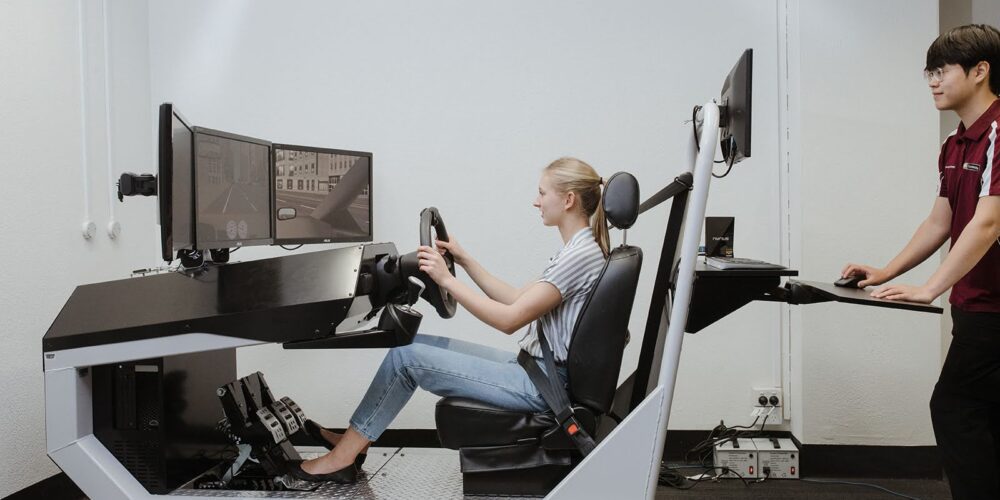
Hayley says her clinical placements have enhanced her learning and built her confidence as an OT student.
“For one placement, I went back home to Kalgoorlie and worked with kids at a local OT practice. The experience was challenging as I had never been in that setting before, but I learned so much and it really gave context to my coursework.”
For Becca, the Curtin course has exceeded her expectations.
“We have amazing facilities – the lab rooms, OT-specific rooms and study spaces,” she says.
“And the support provided by the OT tutors is invaluable. Their proactive approach, such as checking in on students to ensure they’re coping well, is reassuring and fosters a supportive learning environment.
“I was given an array of resources to support my study, and Curtin also offers peer mentoring and opportunities to connect with students in higher years. Interacting with students in higher years provides support for challenging units.”
OT vs physio: what’s the difference?
It can be easy to assume that occupational therapy and physiotherapy are almost the same. Both occupational therapists and physiotherapists are dedicated to improving client outcomes – but their roles in society and healthcare differ a lot.
How OT and physio differ is mostly in their methodologies and focus areas. OTs tend to provide a holistic approach, focusing on all the ways they can help people to participate in the activities that matter most to them – whether at home, work or in the community.
Physiotherapists work primarily on restoring an identified issue with physical function and movement and reducing pain.
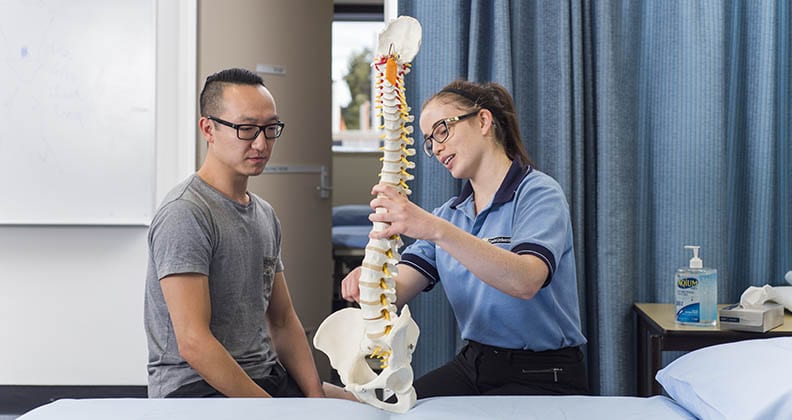
And while OTs often work in environments like schools, aged care or clients’ homes, physios are more commonly found in hospitals, private clinics and sports settings.
Both OTs and PTs play vital, complementary roles in helping individuals regain independence and improve quality of life.
Learn more about physiotherapy.
OT offers diverse possibilities
If you’re drawn to a holistic, versatile approach to patient care, you’re likely to find occupational therapy an especially rewarding career.
Hayley relishes the variety of learning and work that OT offers and is looking forward to mastering the discipline further as she progresses through her course.
“There’s so much diversity in OT,” she says. “Everything is an open door.”
Ready to make a career out of helping others? Visit the course pages of our Bachelor of Science (Occupational Therapy)(Honours) and Master of Occupational Therapy (graduate entry), or contact our Future Student advisors for pathways advice.