
Flashback to 1976
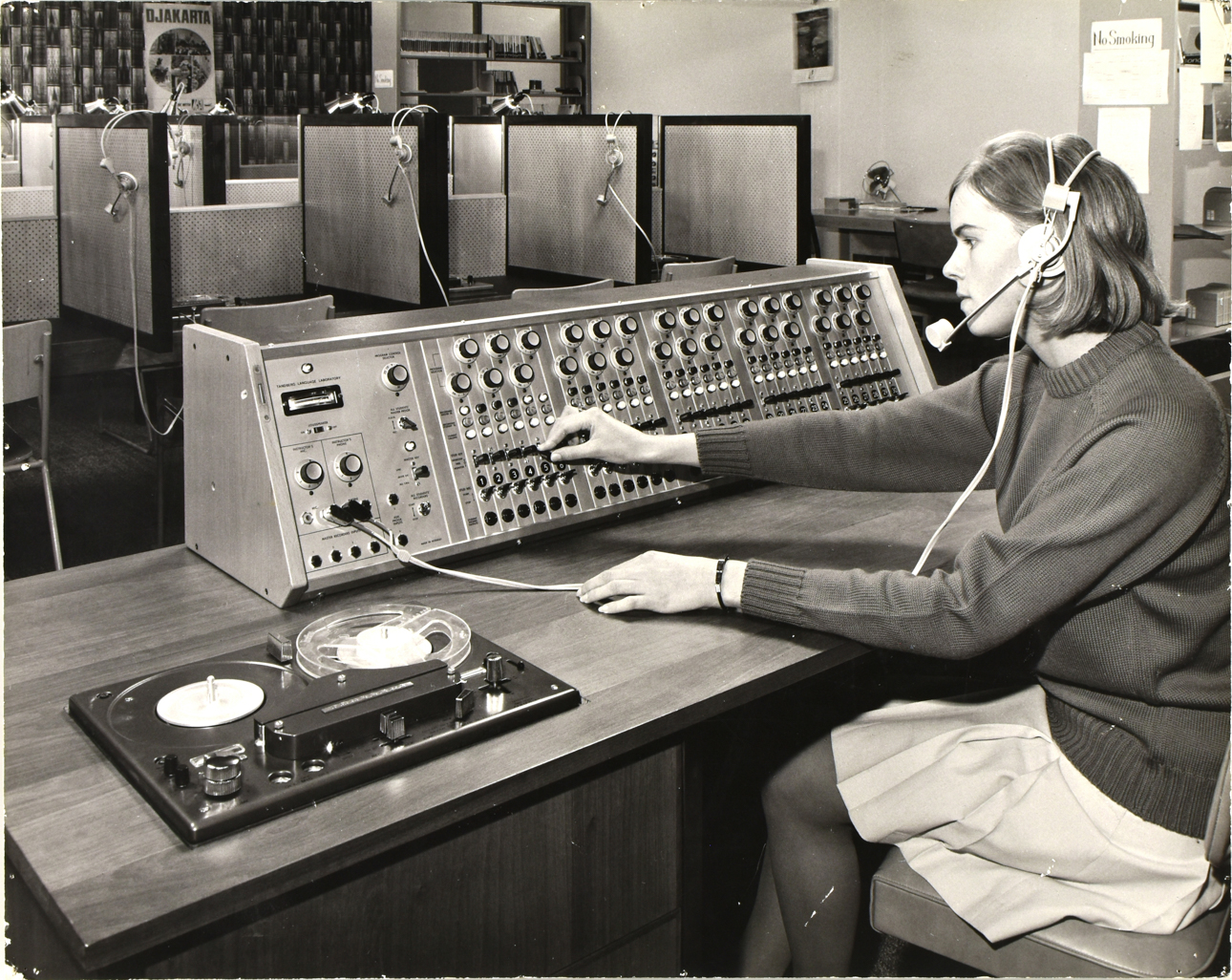
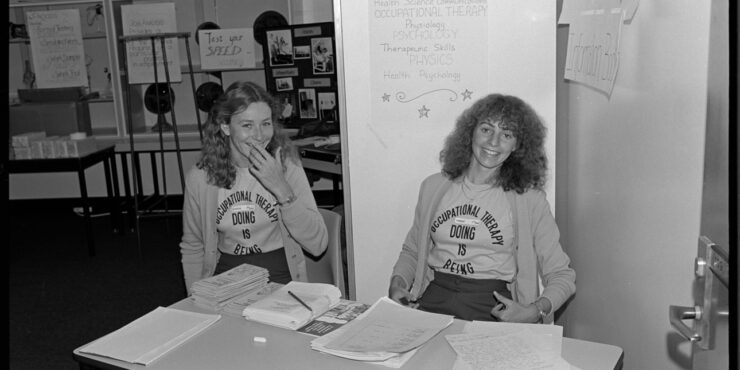
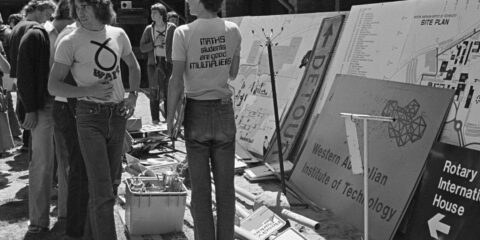
An enduring Curtin characteristic is to learn by doing, an attribute which had its origins in our early WAIT days and in our days as technical colleges throughout the state. We combined the study of theory with practical learning and skill development to produce a modern, technological workforce for the 1970s.
Throughout this decade, Curtin (then WAIT) continued to grow. More courses were offered, research projects increased and we worked more and more with the community and industry. By 1976 our student numbers had increased to 11, 316 supported by 1487 staff. That year 1388 students graduated. The profile of the student population changed too. There were more international students on campus and more female enrolments than ever before.
New technology
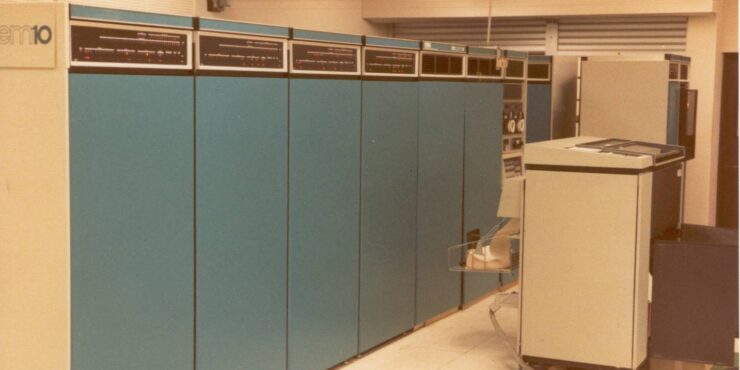
In 1976, a DEC system-10 computer was purchased by WAIT for $720 000. Described as the largest and most modern of its kind in Australia, the DEC system -10 linked up around 200 users/people on and off the Bentley campus.
By the end of the year there were 218 computer terminals on campus, a big increase from 50 terminals the year before, as staff and students seized this new capability. Practical administrative improvements were made possible: WAIT’s payroll system, the Equipment List System and the Computer Costs System all were connected to its network.
Radio Station 6NR
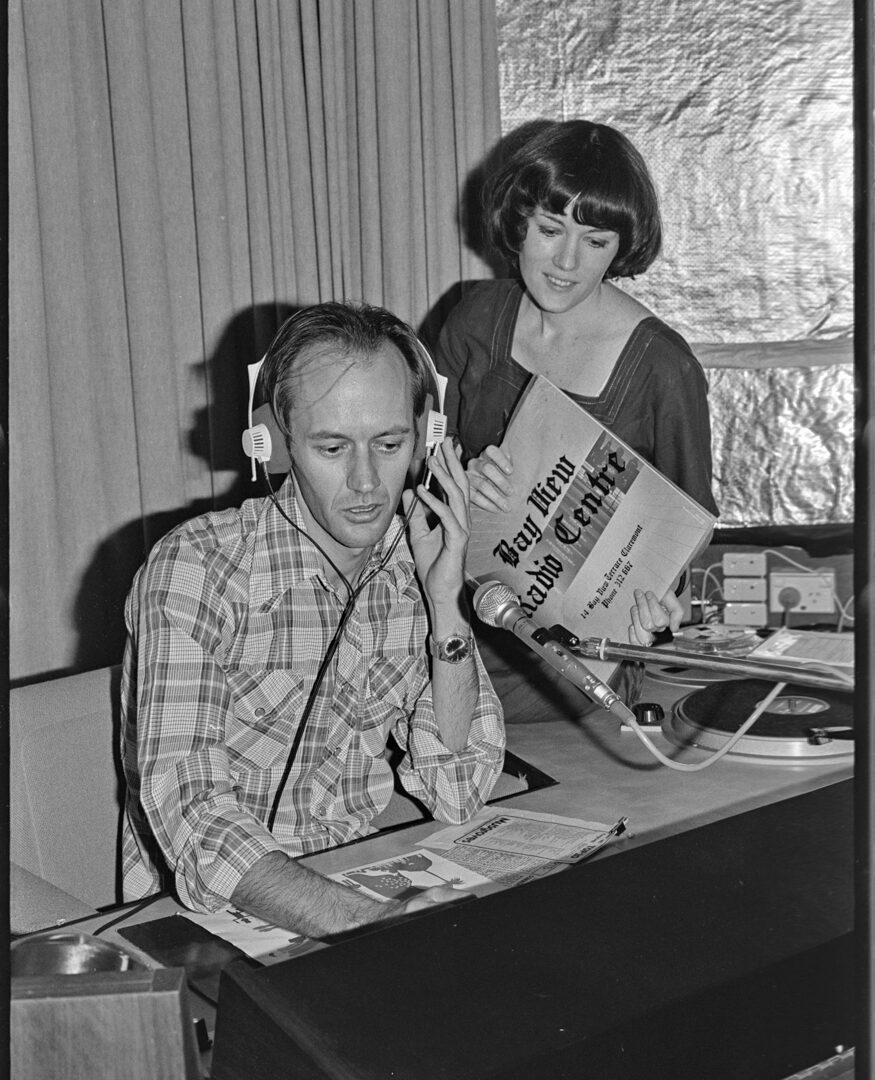
In April 1976 a special radio licence was approved by the Minister for Postal and Telecommunications for a broadcast station to operate on campus for one year. The call sign 6NR (New Radio) was adopted and the WAIT council allocated $20,000 to finance the initial capital expenditure. 6NR went to air for the first time on 16th October 1976 at 5pm when the WAIT Chairman officially declared the station open. With its educational and community bias it was the first radio service of its kind in Western Australia.
The station was immediately busy. WAIT journalism students gained valuable experience studying and working at the station. Library students produced a show called Bedtime Stories; Physics students produced science shows. There were programs such as “Out of the Gilded Cage” presented by the Women’s Electoral Lobby, “ArtView”, “Behind the Media”, “the Guild Show”. WAIT and Murdoch students interviewed experts on topical issues, and community and ethnic groups had access and produced regular programs.
The station had a broadcast radius of 20 kilometres. In 2002 it switched over to FM and became Curtin FM.
Ant ecology
In 1976 our staff and students remained at work on projects that met educational needs or were designed to improve knowledge in particular subject areas. Industry, the professions and government increased their reliance on WAIT on projects or services. The following shows the diversity of our efforts in that year:
- the study of ant ecology in jarrah forests
- an evaluative study of nursing education
- a project on prawn detection
- investigations into lupin alkaloids (identification, analysis and toxicity)
- the construction of an acoustic sounder
- a WASM project testing cables used in vertical and incline shafts by the Chamber of Mines. The School tested around 60 cables per month using an AMIRA cable tester.
- a Geophysics seismic teaching exercise which involved geophones, a shot box, gelignite and the use of a campus oval in order to understand the composition of underground material
- A field biology station in Yalgorup National Park, a collaboration with the Parks Department and WAIT’s Department of Biology.
- Catastrophe Theory (the Department of Mathematics and Computing Studies)
- a WAIT weather station was established in the Peel area. It also monitored ground water levels near bore holes.
- Language courses were offered in Ngaanyatjarra, Spanish, Russian and Indonesian through the Department of Asian Studies
- And the Department of Physics reported a massive expansion of activities in the earth sciences, largely in the area of atmospheric studies.
Part of the community
In 1976, around 100 English studies students helped clean, repair and paint the exterior of the then Lucy Creeth hospital (now the Rocky Bay Centre in Mosman Park). Paint and materials were donated by Perth companies, local councils and the communities.
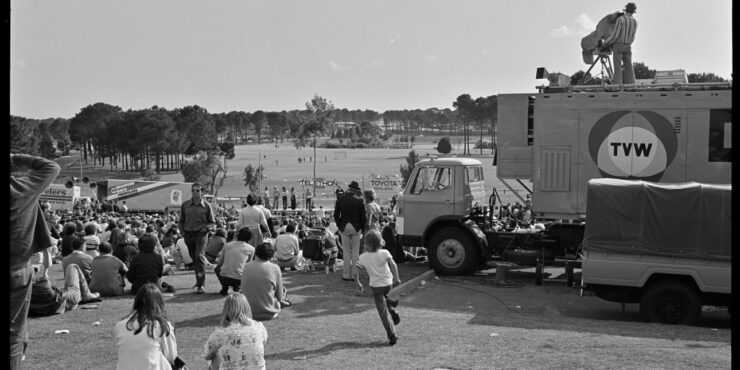
The WAIT 1976 Charity Fair was held on the campus on 26 September, with around 40 stalls organised by staff and students. There was a plate smashing stall, tea and cake stalls, a curry and rice stall, a stall selling pancakes, a plant and second-hand books stall. Staff organised pony-rides, a “moon-walk”, music and donations for auctioning (which was live broadcasted by Channel Seven). The money WAIT raised went to Telethon and help build a new hospital in Coolbinia for children with disabilities.
New courses and new accreditations
Over the 1970s, WAIT courses were shaped and reshaped to ensure there was a balance of theory and practical learning for our students (associate level courses were phasing out during this decade)
Approved new degree courses in 1976:
- Bachelor of Applied Science (Environmental Health)
- Bachelor of Applied Science (Geology)
- Bachelor of Applied Science (Home Economics)
- Bachelor of Applied Science (Library Studies)
- Bachelor of Applied Science (Mechanical Engineering)
- Bachelor of Applied Science (Mining Geology)
- Bachelor of Applied Science (Nursing)
- Bachelor of Applied Science (Nutrition and Food Science)
- Bachelor of Arts (Asian Studies)
- Bachelor of Education (Teacher Education, Pre-School Primary)
- Bachelor of Education (Teacher Education, Secondary)
- Bachelor of Engineering (Mechanical Engineering)
- Diploma of Applied Science (Diagnostic Radiography)
- Diploma of Applied Science (Therapeutic Radiography)
- Diploma of Teaching (Pre-school/Primary)
- Associate Diploma (English)
- Graduate Diploma (Business Administration)
- Graduate Diploma (Chemistry)
- Graduate Diploma (Computing)
- Graduate Diploma (Educational Administration)
- Graduate Diploma (Education)
- Graduate Diploma (Government Administration)
- Graduate Diploma (Pharmacy)
- Master of Applied Science (Chemistry)
- Master of Applied Science (Pharmacy)
Related stories
Satellite breakthrough
The above image from 1982 is of a large cloud of volcanic ash located somewhere […]
The Great WAIT Scavenger Hunt
In late 1978, as part of Student Activities Week, the WAIT Student Guild organised The […]
The roaring 70s at Curtin: flashback to 1975
1975 was a year of consolidation at the Western Australian Institute of Technology (WAIT) (now […]
Archiving Binar-1 satellite mission artefacts
Earlier this year, the Archives recognised the significant nature of Western Australia’s first satellite mission […]