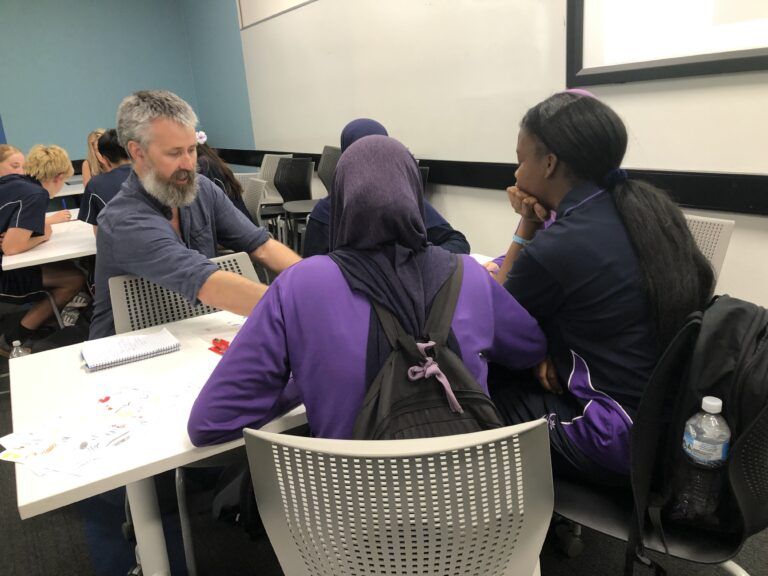
In early December, Global Futures hosted two immersive High School Challenge-Based Learning Intensives, bringing 70 students from three high schools onto Curtin’s Bentley campus for hands-on, future-focused learning experiences. One Global Futures Challenge focused on cultural understanding and globalisation, and the other on post-war reconstruction and peace-building. Each 3 day intensive challenged students to think critically, collaborate creatively, and engage with complex global issues. Students worked in teams, combining creativity, critical inquiry, and real-world problem-solving.
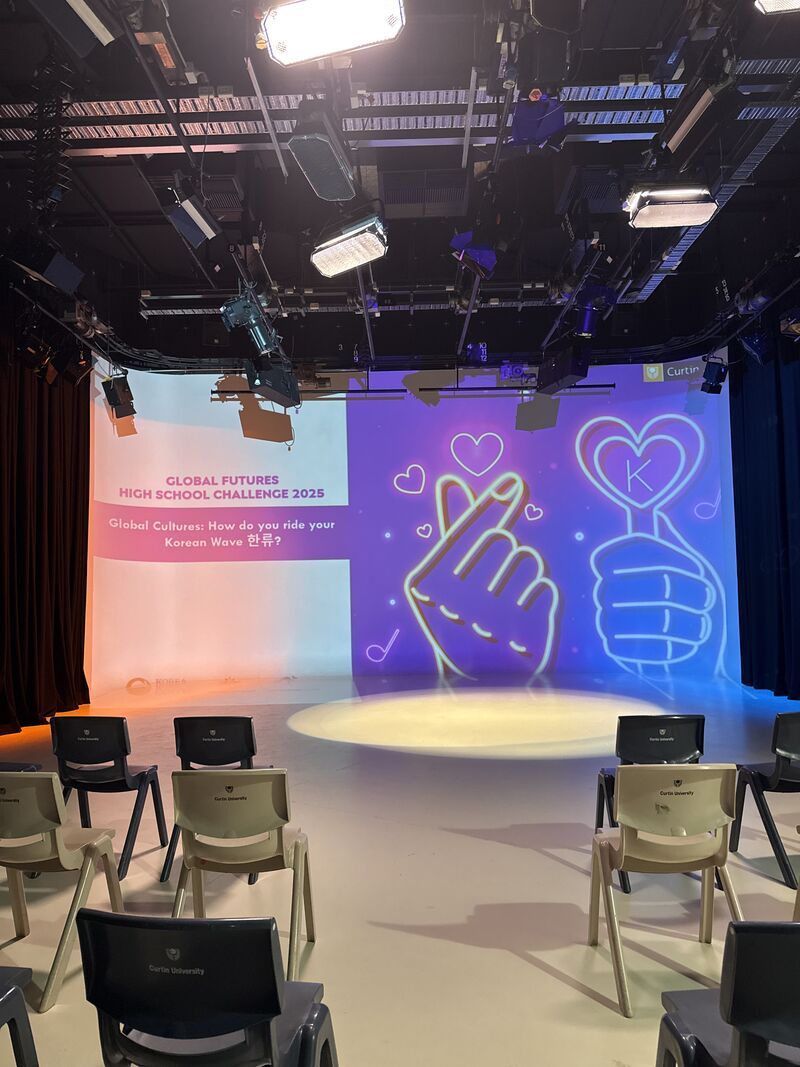
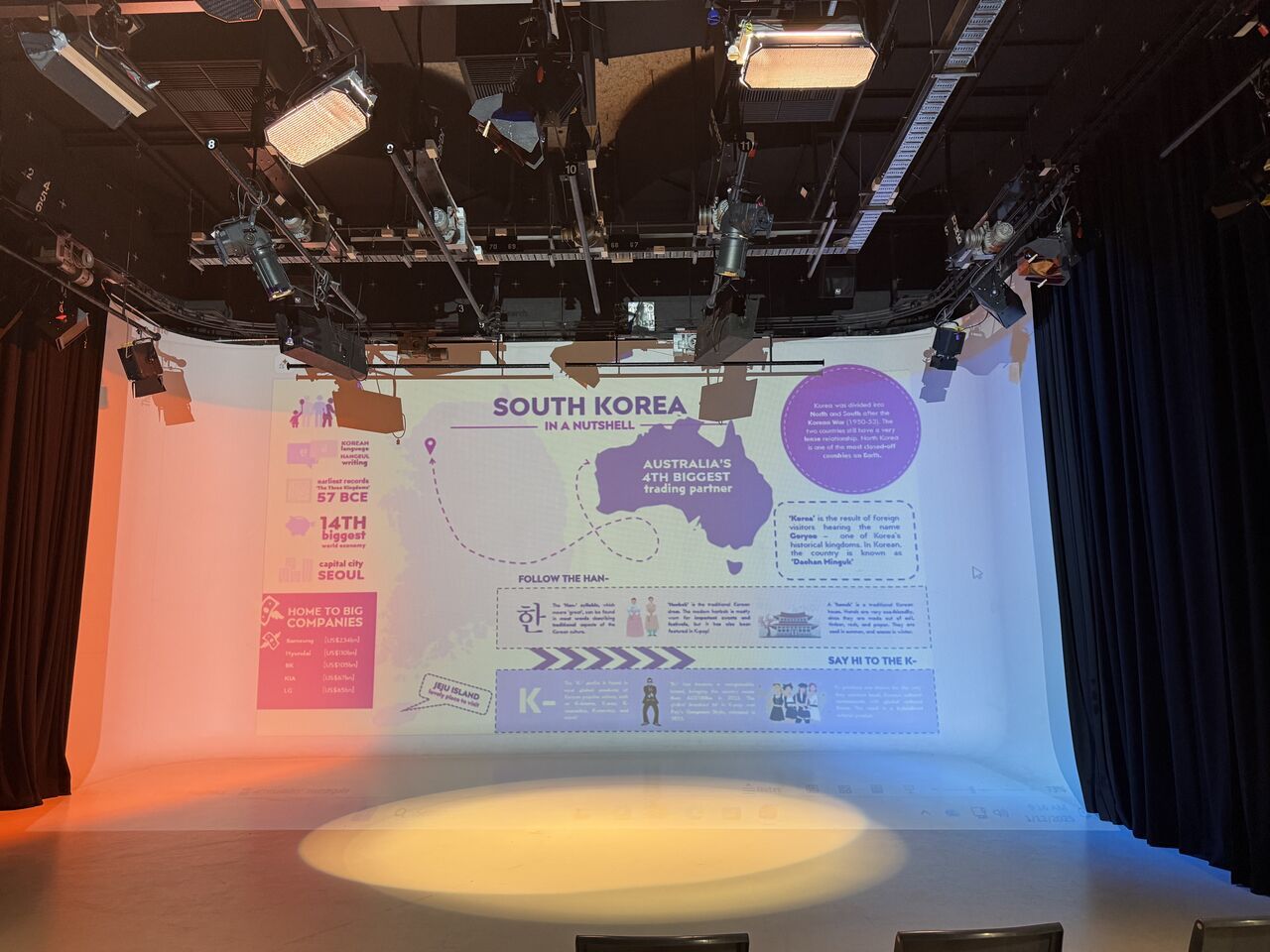
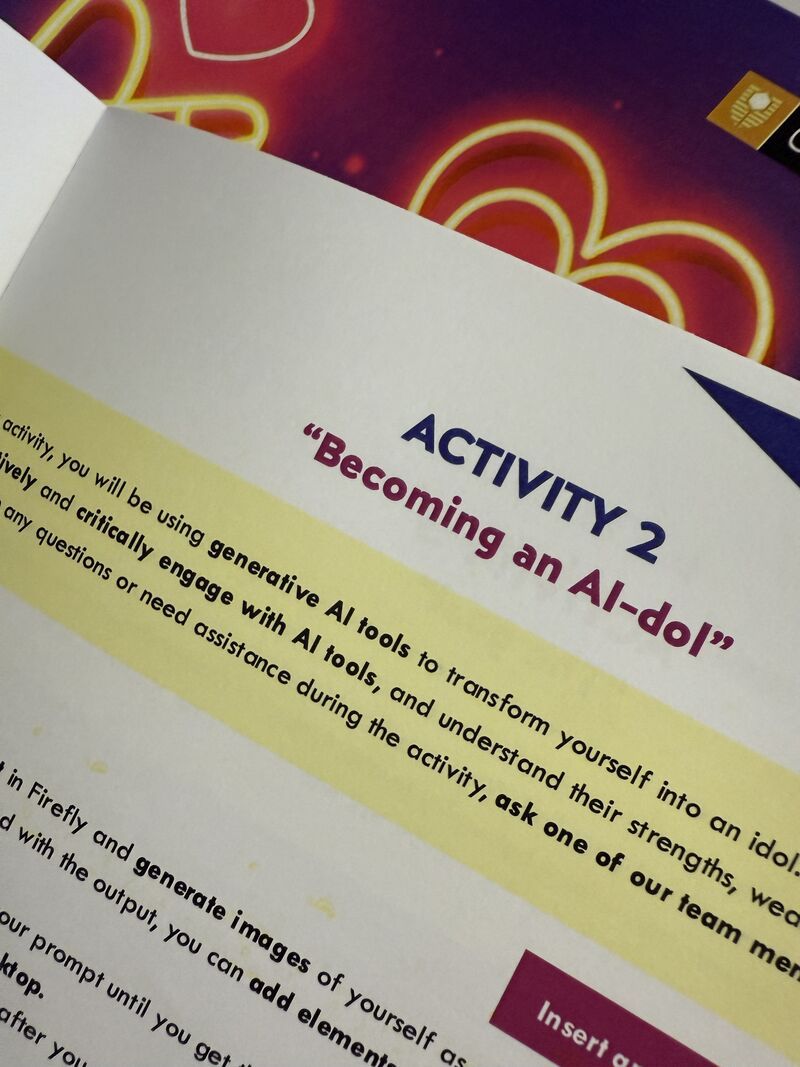
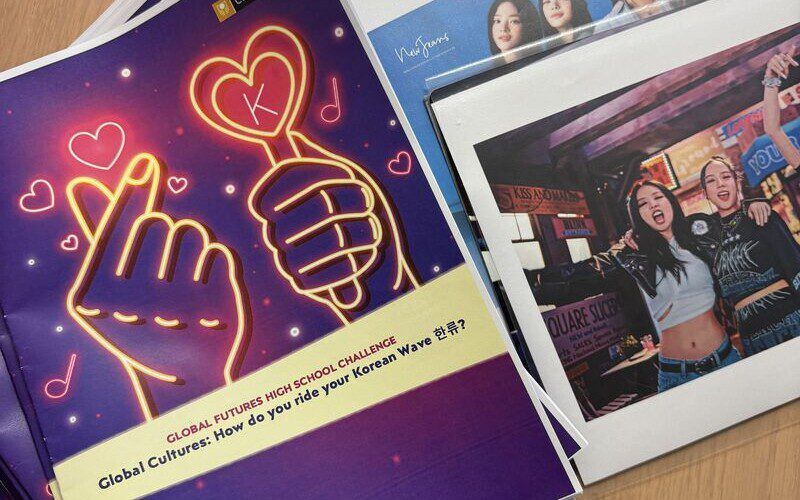
The Global cultures: K-Pop Challenge, coordinated by Dr Eldin Milak and supported by Curtin’s Korea Research and Engagement Centre, explored the global phenomenon of K-pop as a platform for both entertainment and social change. Students were tasked with creating an AI-generated K-pop group built around a specific social mission of their choosing, with groups choosing issues such as mental health awareness or climate action. The challenge integrated cultural learning and creative production, with students developing group identities, lyrics, visuals, and messaging aligned to their chosen cause. Participants also engaged in introductory Korean language and writing, and collaborated to learn a K-pop dance, highlighting the connections between culture, creativity, technology, and global influence.
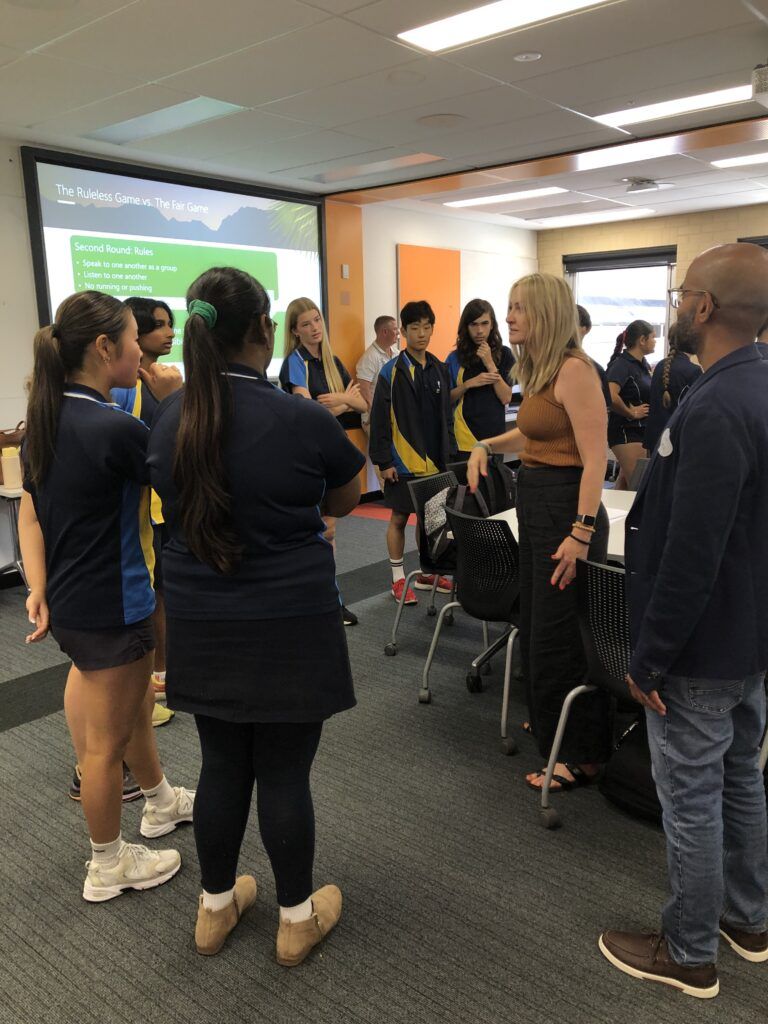
The After War: Rebuilding together Challenge invited students to imagine how societies rebuild following conflict. “We tried to value-add to what students are learning as part of the high school curriculum, for example in Humanities and Social Sciences subjects such as economics, geography, history and so on. The curriculum tends to focus on significant wars themselves, such as WWI and WWII, so we asked students to consider what happens when the conflict ends and rebuilding starts. They loved this shift of focus”, said Professor Farida Fozdar, Dean, Global Futures.
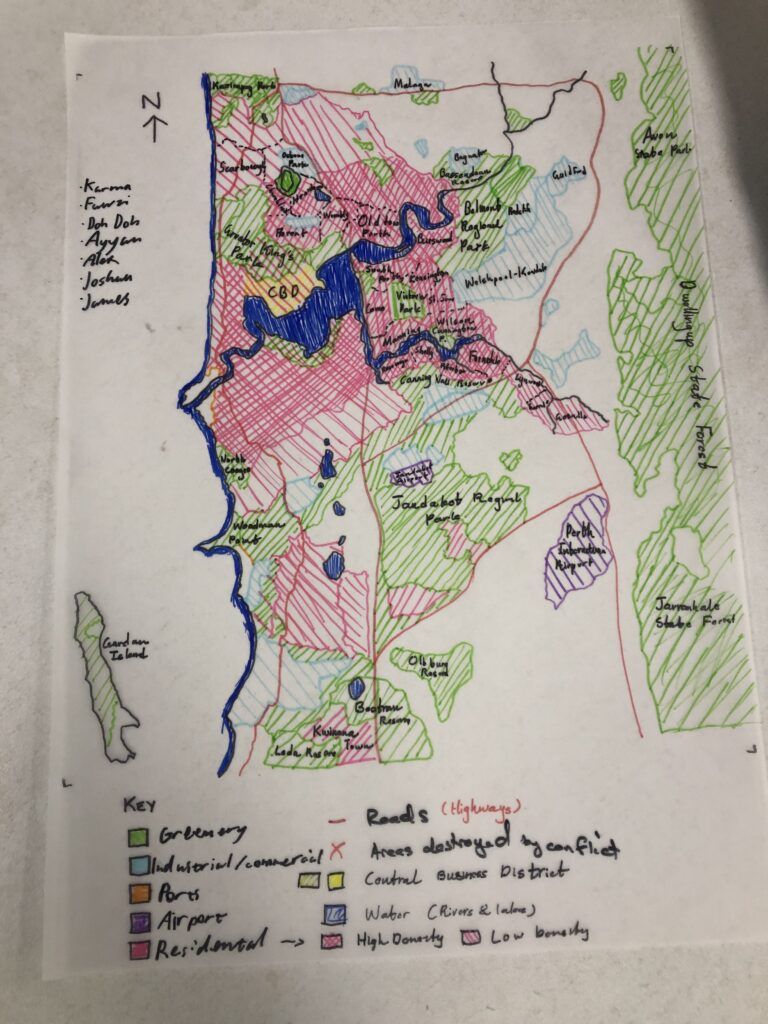
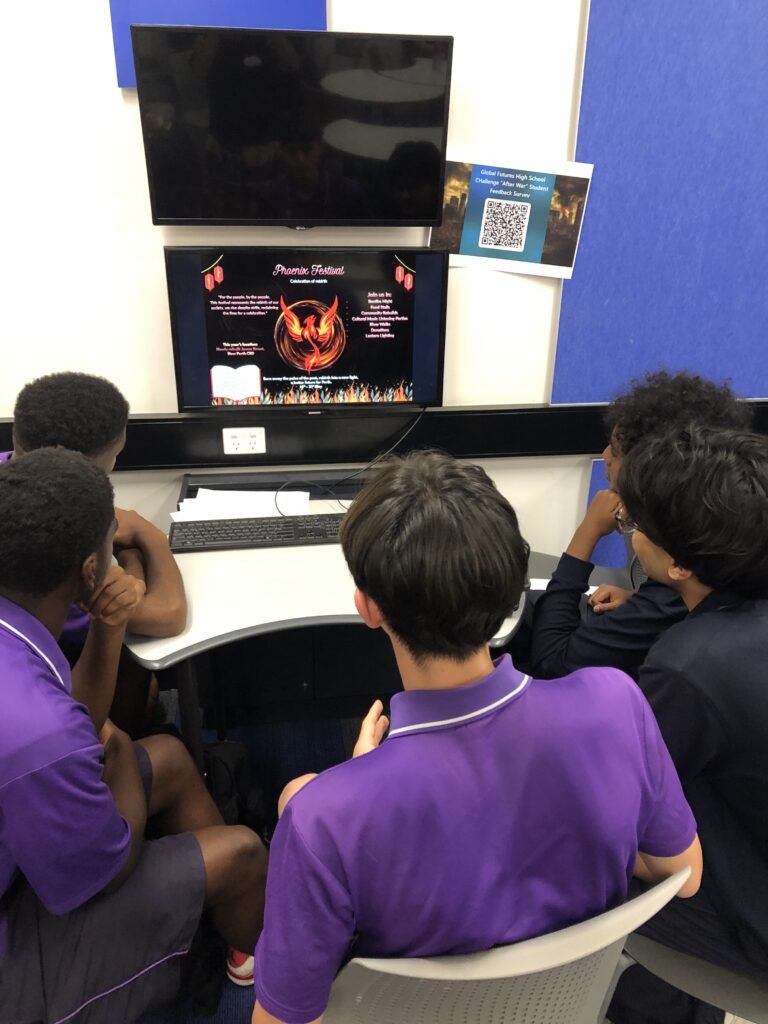
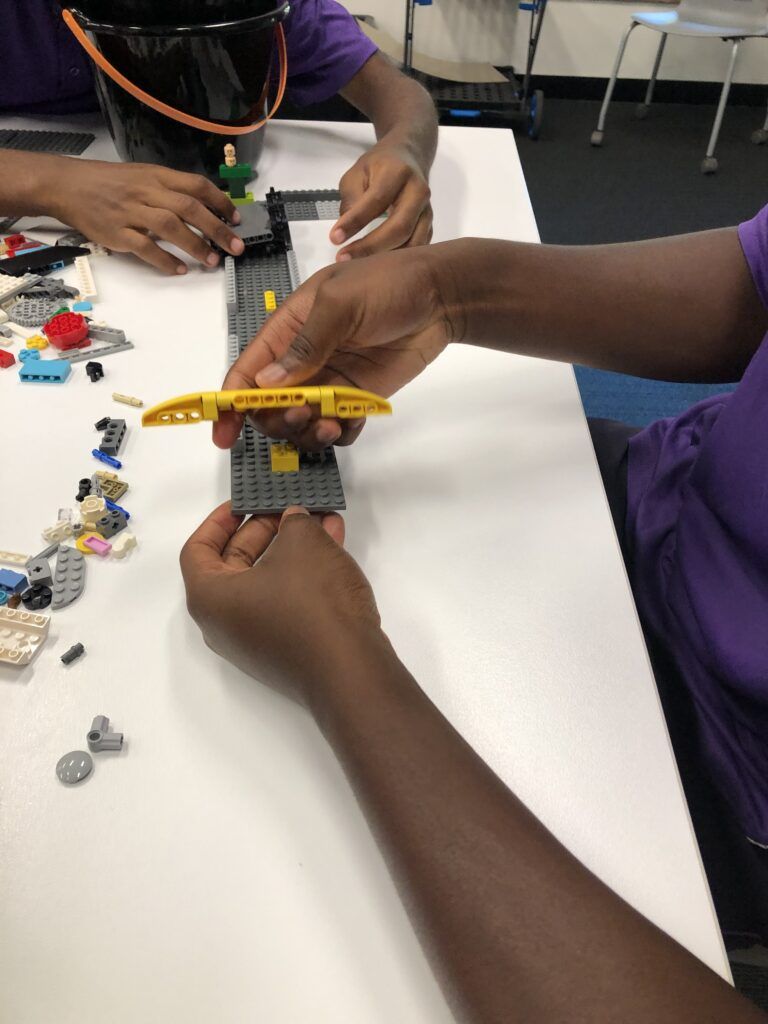
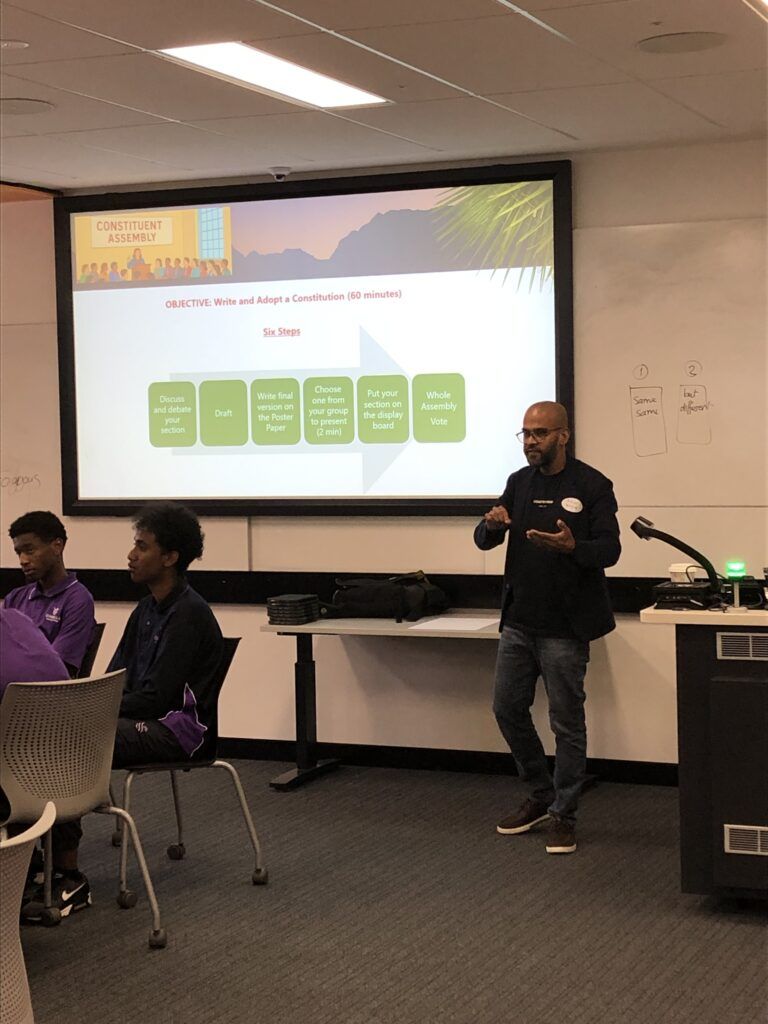
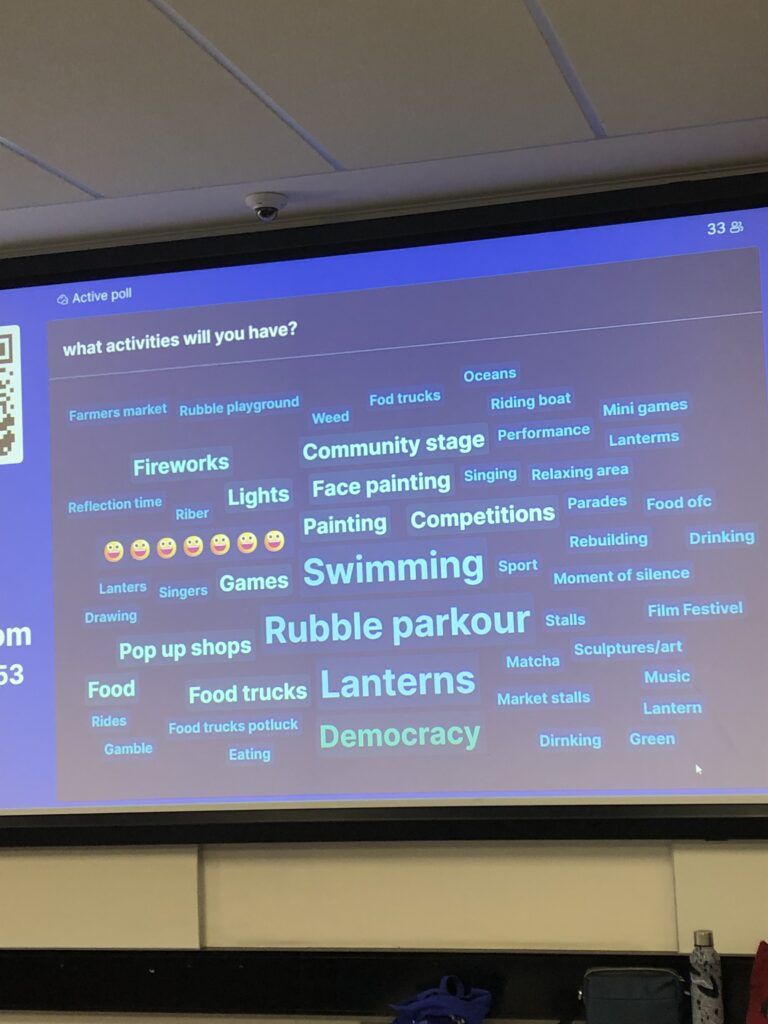
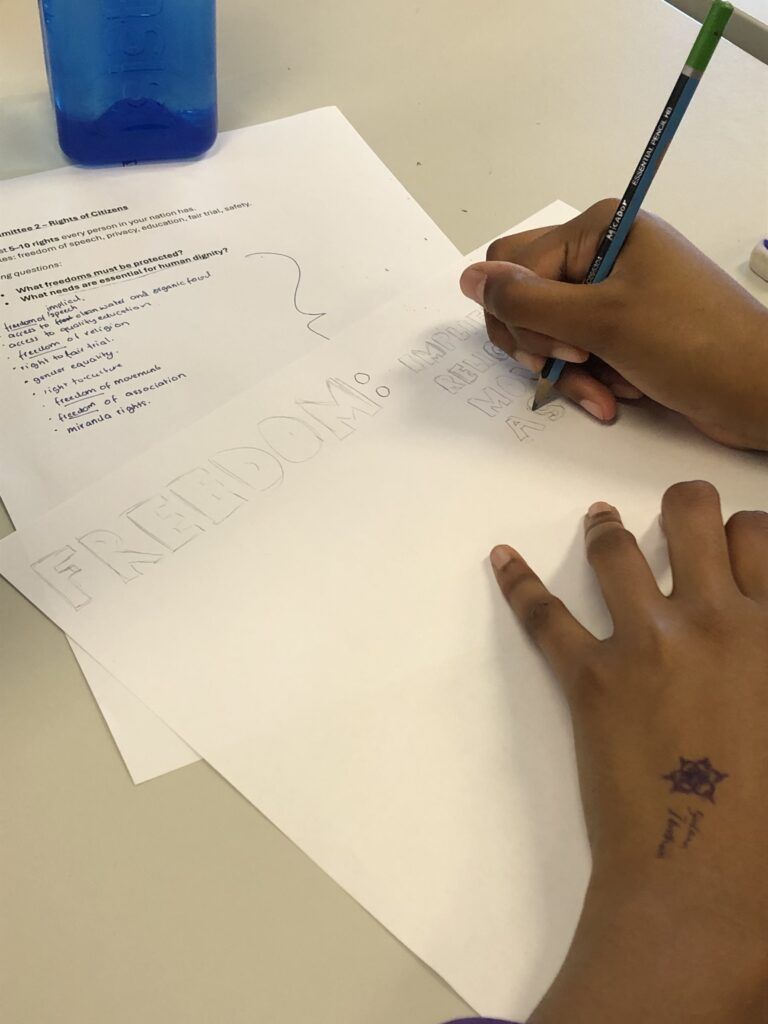
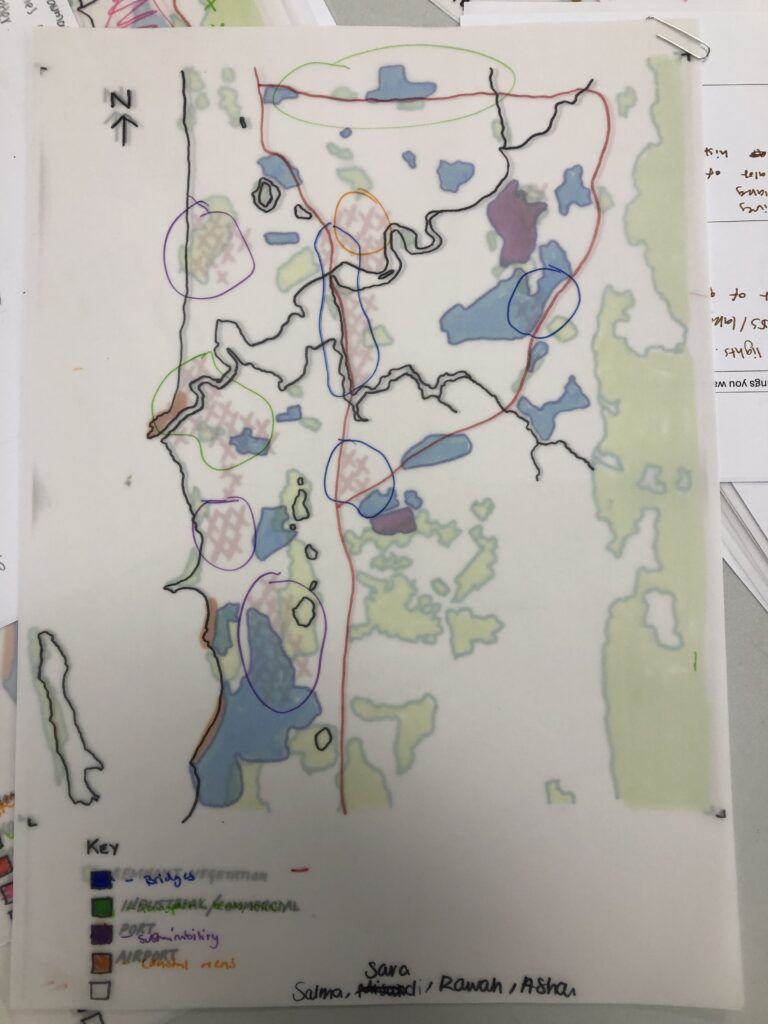
Guided by sociologists, geographers, and international relations experts, and mentored by Curtin students, the high school students considered immediate needs and resourcing post-war, modelled critical infrastructure using Lego, mapped a post-conflict city, including rethinking physical infrastructure, recreational space and transport systems, agonised over setting priorities for recovery (with a limited budget should healthcare be prioritised over education or roads for example) and wrote a constitution. The challenge culminated in the design of a Festival of Hope, symbolising social healing and future possibilities.
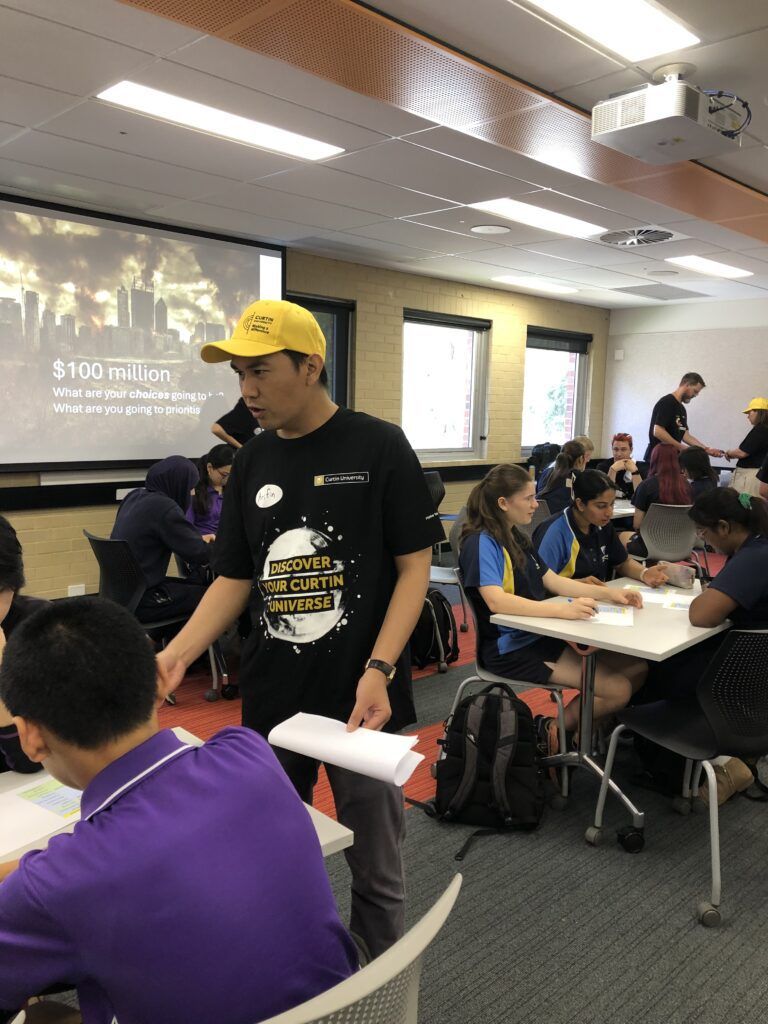
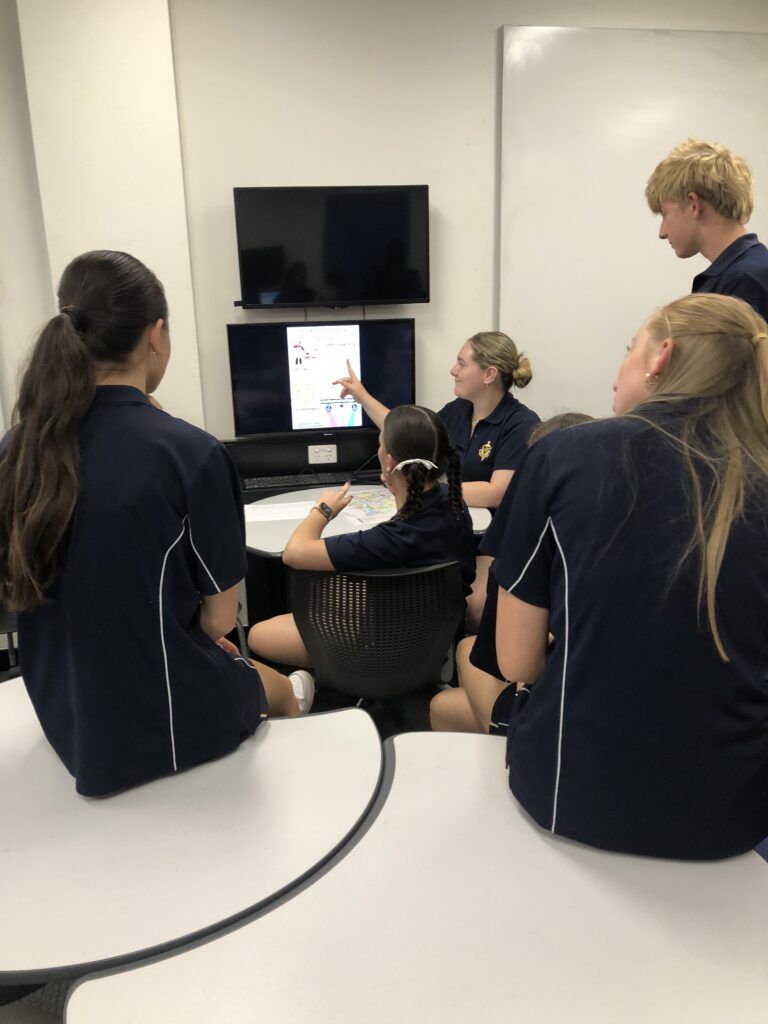
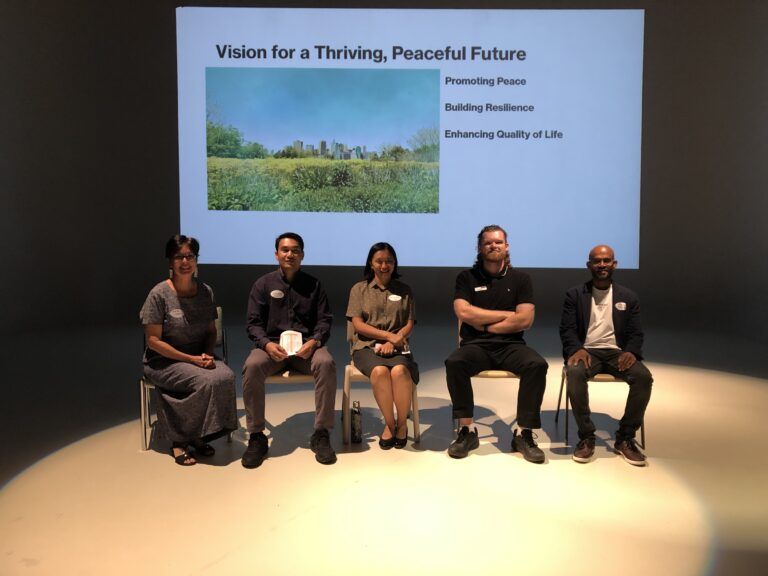
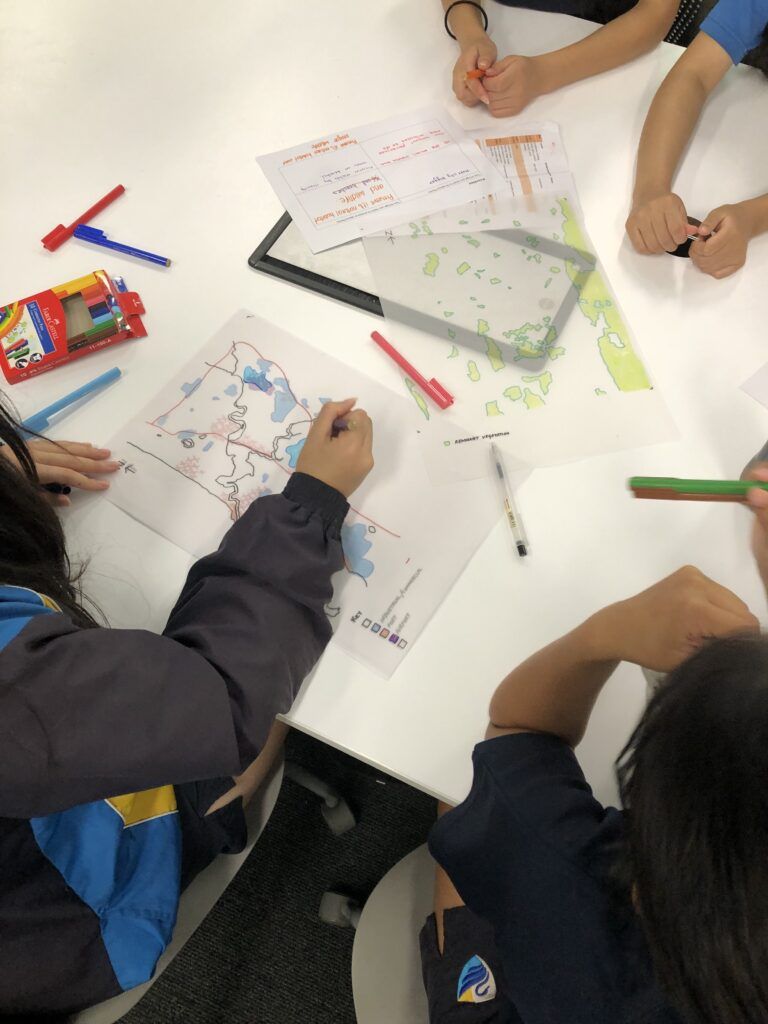
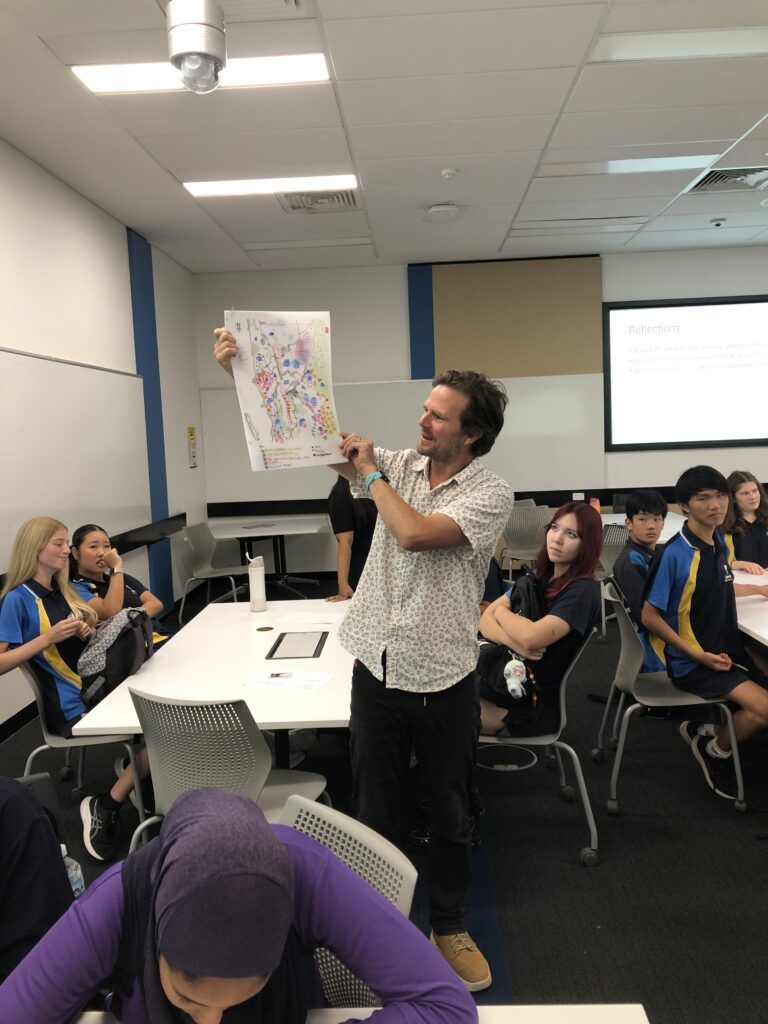
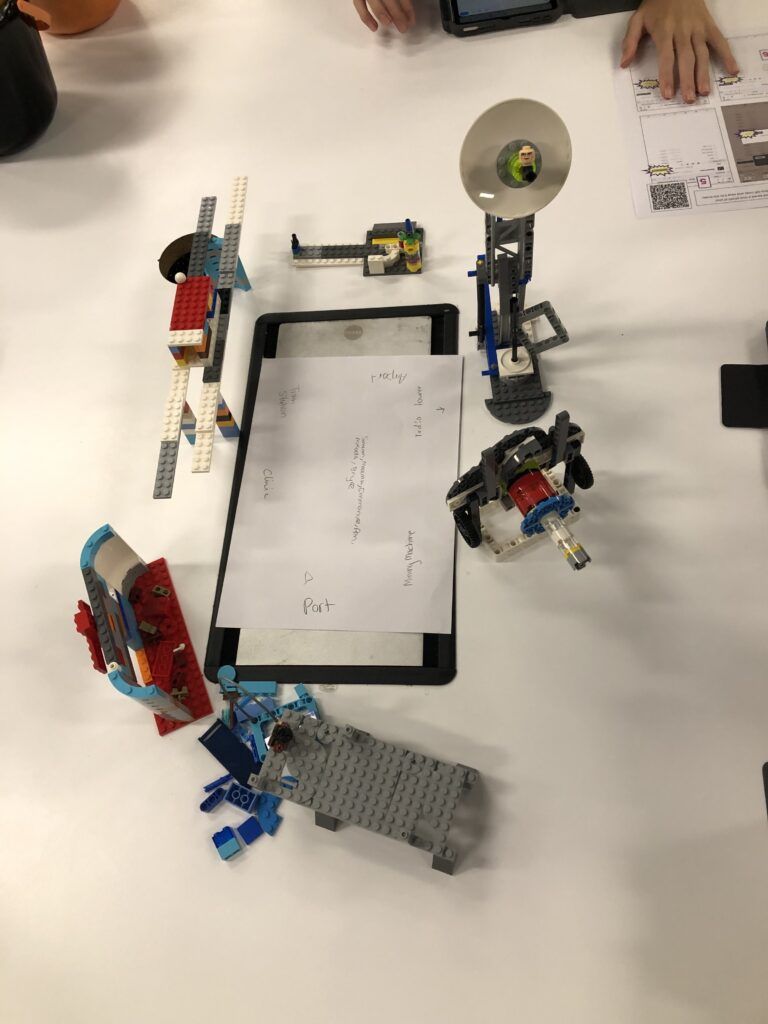
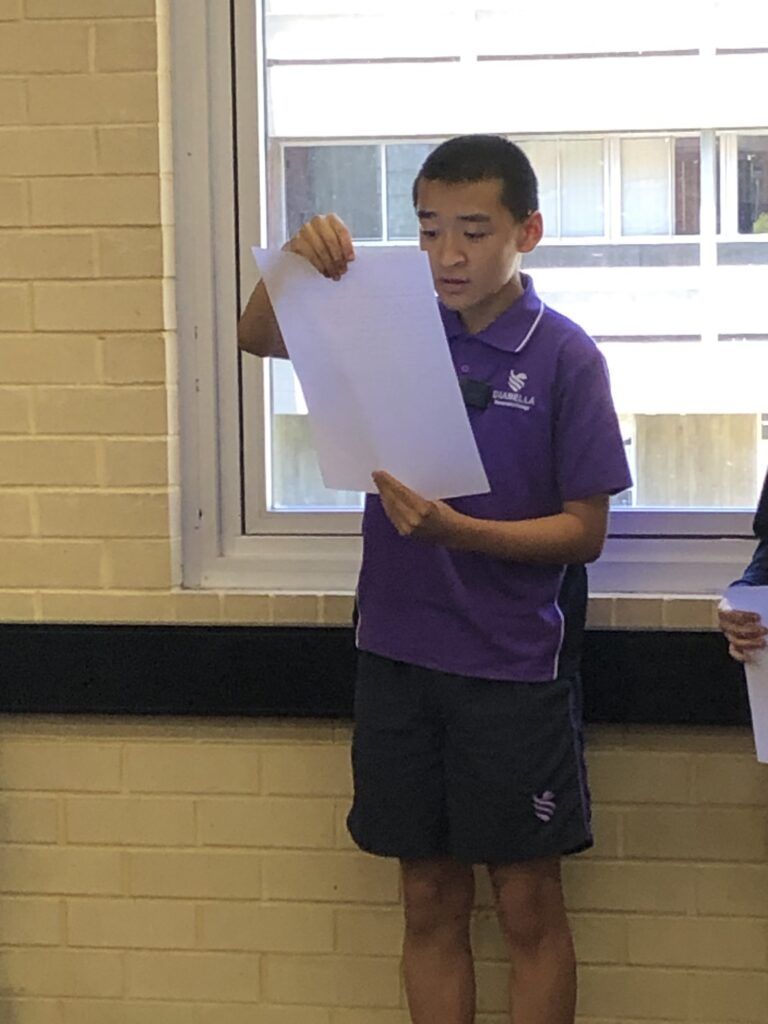
The two challenges emphasised active learning and student agency, encouraging young people to draw on their own perspectives while developing skills in teamwork, communication, critical thinking, and ethical decision-making. Through challenge-based learning, students moved beyond classroom theory to test ideas, respond to constraints, and propose creative, evidence-based solutions.
By the end of the intensives, students had not only deepened their understanding of global issues, but gained confidence in their capacity to contribute creatively and thoughtfully to future solutions. The Global Futures High School Challenges reflect Curtin’s ongoing commitment to supporting the next generation of changemakers through inclusive, innovative, and transformative educational experiences.