Imagine planning a beach holiday, only to realise there’s no way to get onto the sand. Or booking a tour, but finding there’s no clear information on accessibility. For many travellers with accessibility needs, these barriers are an expected part of the journey – but, in the future, perhaps they don’t have to be.
This is the idea behind accessible tourism – a growing approach focused on designing travel experiences where every part of the journey works for everyone, regardless of ability.
Jump to a section:
- What is accessible tourism?
- Why is accessible tourism important?
- How can I build a career in accessible tourism?
What is accessible tourism?
Accessible tourism is about designing travel experiences that everyone can enjoy. It focuses on creating trips that are usable, inclusive and empowering for people of all abilities, including:
- people with physical, sensory or cognitive impairments o
- older travellers
- families with young children.
It goes beyond wheelchair ramps or adapted transport. It’s about designing every part of the journey, so travellers feel supported, comfortable and independent.
At Curtin, this approach is reflected in how tourism is taught in our Bachelor of Commerce (Tourism and Hospitality) degree, with a focus on inclusivity, sustainability and creating experiences that work for diverse travellers.
Curtin Professor Kirsten Holmes is the co-director of Curtin’s Tourism Research Cluster – and an expert on inclusive tourism.
“As part of Curtin’s tourism course, I teach a unit called Responsible Tourism Management,” she explains. “We examine direct and indirect access issues, social tourism and the discrimination experienced by LGBTIQ+ tourists.”
“We look at how people with disabilities manage their travel, for example, dehydrating themselves before flights so they won’t need to use airline bathrooms, and how tourism businesses are adapting to their needs.”
So, what does accessible tourism look like in practice?
Accessible tourism can take many forms, depending on the needs of clients. In practice, this might include:
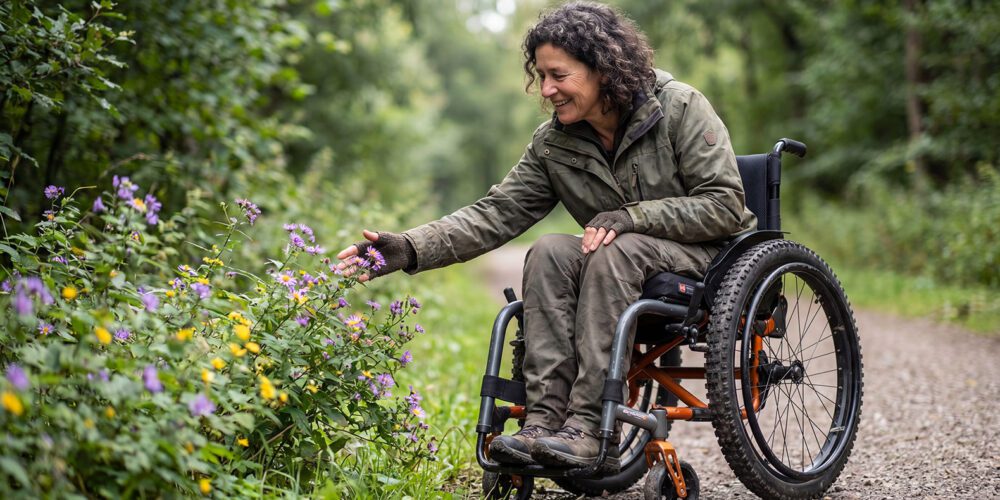
- Physical accessibility (eg: ramps, lifts, accessible restrooms, beach wheelchairs, or hotel rooms with roll-in showers)
- Sensory-friendly experiences (eg: braille signage, tactile exhibits or audio-described tours)
- Inclusive environments (eg: quiet hours, low-sensory spaces, and clear, easy-to-navigate signage)
- Accessible information and services (eg: websites compatible with screen readers, trained staff, and clear pre-travel information)
As a tourism professional, these are the details that can transform a standard trip into a standout inclusive experience for clients.
Why is accessible tourism important?
Accessible tourism is becoming increasingly important as Australia’s population – and the global travel market – evolves. According to Austrade, 18% of Australians (around 4.4 million people) have a disability, while a further 22% (5.5 million) have a long-term health condition. In 2024 alone, travellers with accessibility needs and their companions made more than 70 million trips in Australia, spending nearly $29.2 billion.
Professor Holmes highlights why this matters:
“Providing access to tourism is important for several reasons,” she says.
“Ethically, everyone should have the opportunity to experience the health and wellbeing benefits of travel and time away from everyday life. Legally, businesses must ensure they are not discriminating against different groups. And from a business perspective, limiting access means limiting your customer base, particularly as people with additional needs rarely travel on their own.”
It’s also important to remember that not all disabilities are visible. Some travellers may have chronic illness, sensory sensitivities, cognitive conditions, or mental health challenges that impact how they experience travel, whether that be for leisure or business.
“Accessible tourism is just as important for business tourism, especially conferences,” Professor Holmes explains.
“It’s common to see quiet rooms for delegates with sensory issues and for keynote speakers and panels to represent a diverse range of participants. This is vital to prevent ongoing inequities in people’s careers.”
How can I build a career in accessible tourism?
Accessible tourism is opening the door to a wide range of meaningful, creative careers.
You could be involved in designing inclusive resorts, developing immersive tours for travellers with sensory impairments, or creating digital tools that make booking travel easier for everyone.
Careers in this space include:
🧭 Tourism development manager
📣 Destination marketing specialist
🎨 Experience designer
♿ Accessibility consultant
With Curtin’s highly ranked Bachelor of Commerce (Tourism and Hospitality), you can gain the knowledge and skills to thrive in this growing industry.
Curtin ranks first in Western Australia and third in Australia for Hospitality and Tourism Management (Global Ranking of Academic Subjects, 2025), and our programs are certified by the United Nations, recognising excellence in tourism education.
“As an international student, I chose Curtin for its global reputation. Whether I build my career in Australia or return to Europe, this degree will be highly respected and open doors internationally. The university’s strong focus on industry connections and practical experience prepared me for a professional career.”
Massimiliano Apolloni, Bachelor of Commerce (Tourism and Hospitality, and Marketing)
With Curtin’s Bachelor of Commerce degree, you can choose from two different tourism and hospitality majors. Tourism and Hospitality focuses on designing innovative destinations, managing events and resorts, and understanding sustainability and marketing. It can also be studied as part of a double degree with a Bachelor of Arts.
If you want to build your international experience, our Tourism and Hospitality Global major allows you to study across Curtin’s international campuses, gaining exposure to diverse cultures and tourism markets.
Whichever major you choose, you’ll develop your skills in creativity, problem-solving and sustainable practices – ideal for building a successful career in accessible tourism.
“I participated in the ACICIS Sustainable Tourism Professional Practicum in Indonesia for seven weeks. I also gained hands-on experience in Indonesia’s tourism industry and joined Curtin’s Global Scholars Program on a one-week study tour to Sri Lanka during the winter break. These experiences shaped my goal to work in global tourism, with a focus on sustainability and community impact.”
Ciara O’Hanlon, Bachelor of Commerce (Tourism and Hospitality, and Marketing)
Designing for inclusion: from classroom to industry
At Curtin, you’ll have opportunities to take part in initiatives like the Accessibility Challenge – a hands-on, challenge-based experience that brings together students from different disciplines to rethink accessibility in diverse fields.
Through real-world projects, you’ll learn how to identify barriers and apply inclusive design principles to create more accessible experiences.
To hear how these ideas come to life in practice, listen to Curtin graduate Despina Karatzias share her insights on accessible tourism in the Tourism Hub Podcast.
What does this trend mean for the future?
Accessible tourism is more than a niche – it’s a key trend reshaping business and innovation.
Professor Holmes says: “As accessibility becomes more important to tourism businesses, knowledge of this topic is essential across all areas of work – from destination planning and policy to accommodation, transport, attractions and events. With an ageing population, demand for accessible travel experiences will only continue to grow.”
If you’re ready to shape inclusive travel experiences, explore our Tourism and Hospitality or Tourism and Hospitality Global majors.