Planetary exploration has the potential to drive scientific, technological and commercial innovation — and Curtin has been at the frontier of space and planetary sciences for the past 50 years.
We are the home of two large space research centres – the Space Science and Technology Centre (SSTC) and the Curtin Institute of Radio Astronomy (CIRA) – and collaborate with some of the biggest names in space research, including NASA and JAXA.
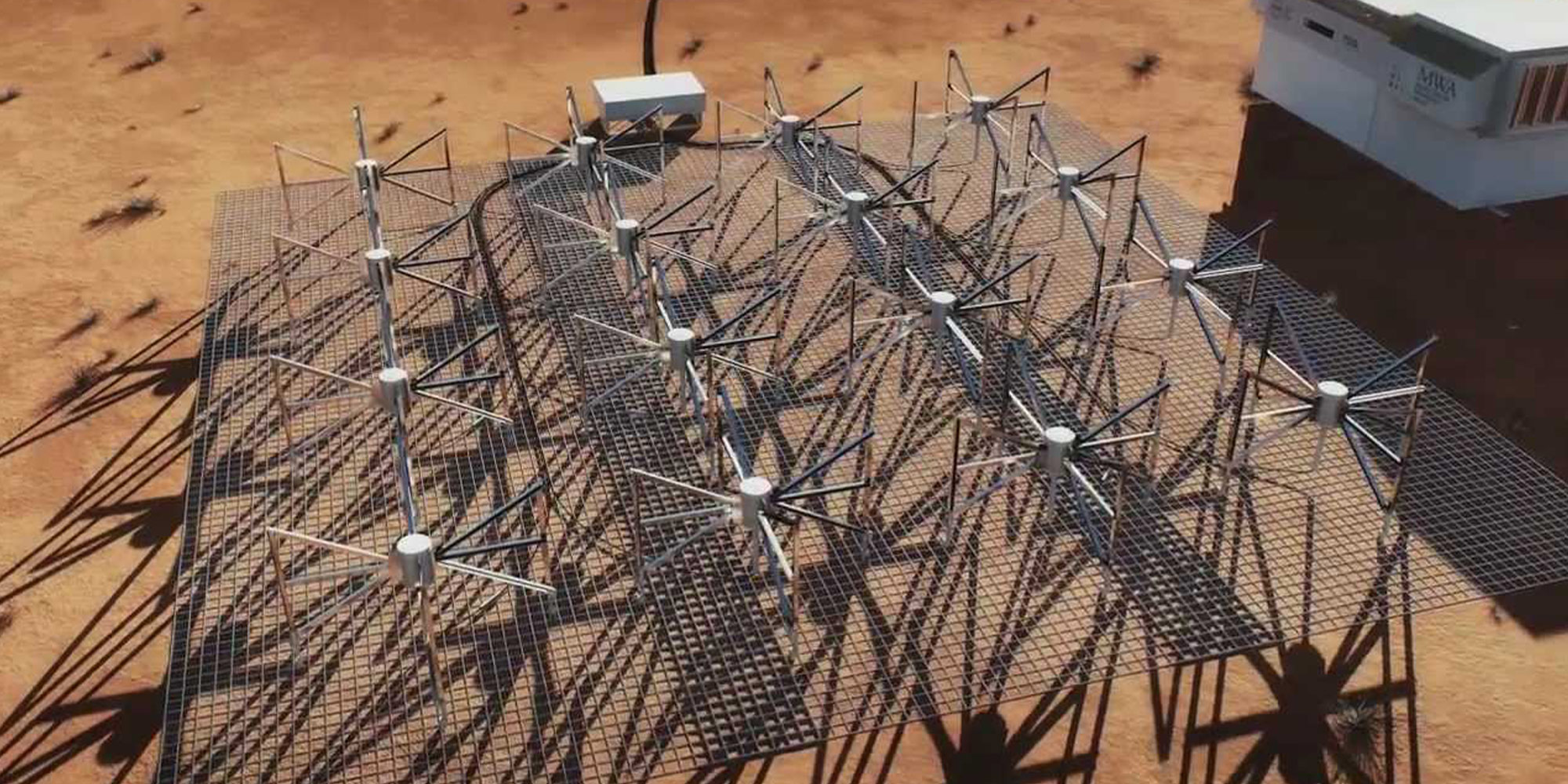
We’re also leading the Murchison Widefield Array (MWA) project – a low-frequency radio telescope in remote Western Australia, which is a precursor to the SKA – the world’s largest radio telescope.
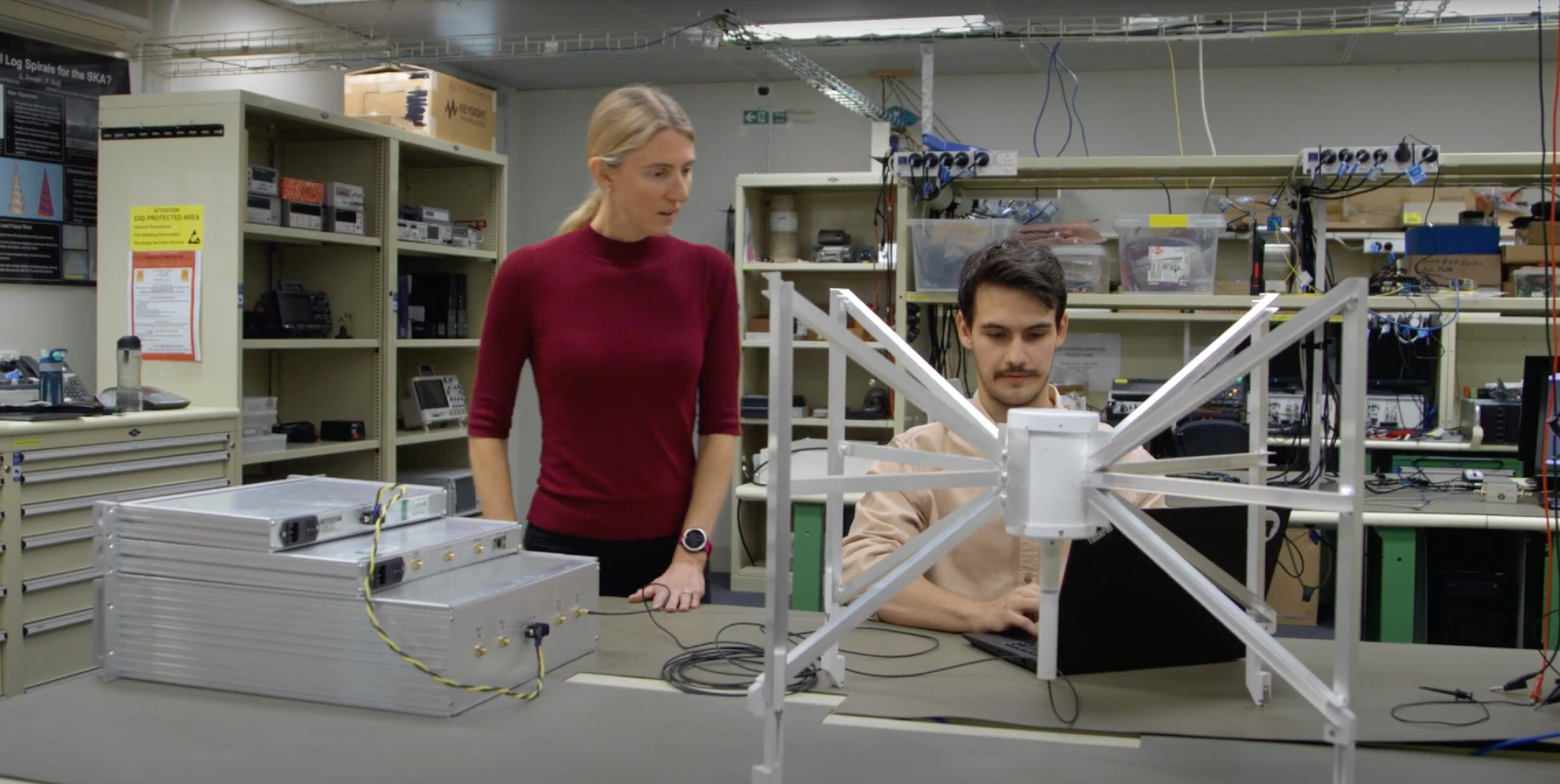
CIRA, the Curtin Institute of Radio Astronomy
The Curtin Institute of Radio Astronomy (CIRA) is Curtin’s link with the International Centre for Radio Astronomy Research (ICRAR). We are proud to have helped bring the Square Kilometre Array to Australia and we look forward to working with our partners to make the telescope a reality.
Our strengths
Earth and planetary science
Spanning a range disciplines, our planetary science teams are delving into the past, present and future of our planet and solar system. Curtin’s Earth Dynamics Research Group is focusing on the distribution, evolution and processes of Earth’s tectonic plates and their relevance to Earth resources and environments.
The Western Australian Geodesy Group is using advanced instrumentation and computer software to develop high-resolution gravity field models of the Moon and Mars, making them freely available for science and education.
Curtin’s Global Navigation Satellite Systems Research Centre is developing theory, models, methods and algorithms that will enable the next generation of Global Navigation Satellite Systems to meet tomorrow’s geospatial information needs in the Earth, atmospheric and space sciences.
Binar Space Program
Curtin’s Binar Space Program, pronounced BIN-ah, and named after the Nyungar word for ‘shooting star’, launched Western Australia’s very first satellites into space.
These highly advanced “cubesat” spacecraft are engineered and operated by Curtin staff and students, and the program collaborates with schools, industry, and science partners (including AVI, QL Space, CSIRO, and German Aerospace Centre DLR) to develop and deploy payloads for real-world missions.
Launched in 2017, the program has already deployed four satellites and is now developing its next generation.
In addition to carrying eight experiments designed, built and delivered by WA high school students, Binar 5, 6 and 7 will test advanced technologies for future deep space missions and demonstrate new Earth observation and navigation systems.
Radio astronomy
The Curtin Institute of Radio Astronomy founded, maintains and operates the Murchison Widefield Array (MWA) — a ground breaking low-frequency radio telescope. The MWA has been used to shed new light on the evolution of Earth’s ionosphere and identify more than 300,000 new radio galaxies.
While it is a scientific marvel in its own right, the MWA is also a precursor to the Square Kilometre Array (SKA) — the world’s largest radio telescope, with a collecting area of up to a million square metres. Curtin is partnering with CSIRO and The University of Western Australia to construct the array’s Australian-based component, which is nearing completion.
Meteorite and asteroid characterisation
The research team at Curtin’s Space Science and Technology Centre (SSTC) are world-leaders in analysis of meteorites, helping unravel the history of the Solar System and planetary bodies within it. Characterisation of meteorites recovered by its Desert Fireball Network allow findings to be linked to our solar system by calculating their orbits. These meteorites typically come from Mars, the Moon, Vesta, asteroids fragments and other parent bodies in the solar system.
SSTC played a key role in NASA’s ambitious OSIRIS-REx mission, analysing pristine 4.6 billion-year-old samples returned from asteroid Bennu. The work has produced several major findings about the early Solar System, with the team identifying unaltered extraterrestrial salts such as sodium carbonates and halite, pointing to ancient flowing brine on Bennu and offering insight into icy bodies like Ceres and Enceladus. They also found bio-essential sugars including ribose and glucose alongside amino acids, strengthening evidence that the molecular building blocks of life exist elsewhere in the Solar System. Beyond these discoveries, Curtin’s compositional analysis of the asteroid material is feeding into planetary defence research, relevant given Bennu’s small estimated chance of impacting Earth in roughly 150 years.
Space situational awareness
Partnering with Lockheed Martin Space Systems on the FireOPAL project, we’re using ground-based sensors to track space debris and satellites in orbit, helping to preserve the space environment over Australia and reduce the risk of collisions.
Our Desert Fireball Network is a network of autonomous digital observatories across Australia that’s tracking meteorites and fireballs and determining their pre-entry orbits and fall positions for recovery. The project is expanding to become the Global Fireball Observatory, with stations in the USA, UK, Canada, Morocco and Saudi Arabia to locate meteorites across an area greater than 20 million square kilometres.
Looking for a researcher?
Where we work
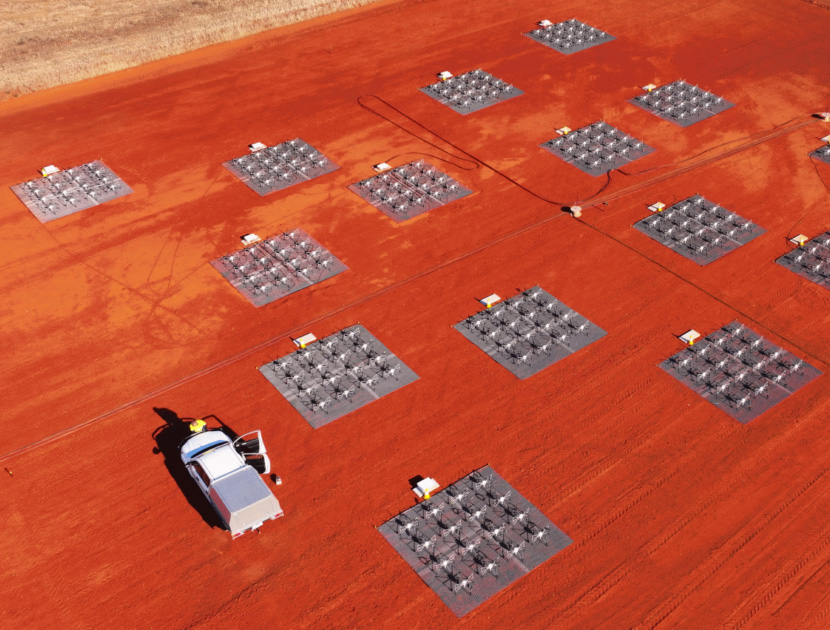
Curtin Institute for Radio Astronomy
As the driving force behind the Murchison Widefield Array, CIRA leads the way in low-frequency radio astronomy from remote Western Australia.
Learn more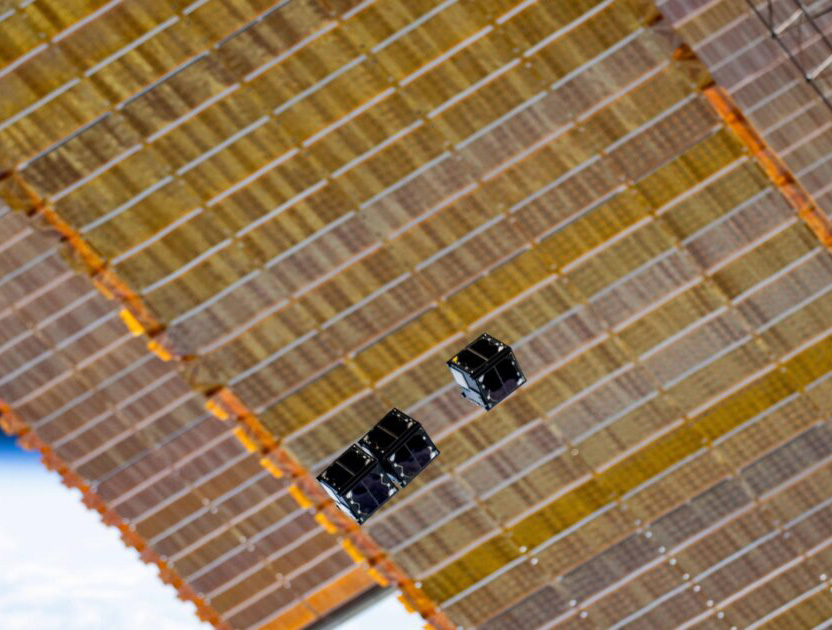
Space Science Technology Centre
We do fundamental and applied space science research to build a strong future in space for Australia with the next generation of planetary explorers.
Learn more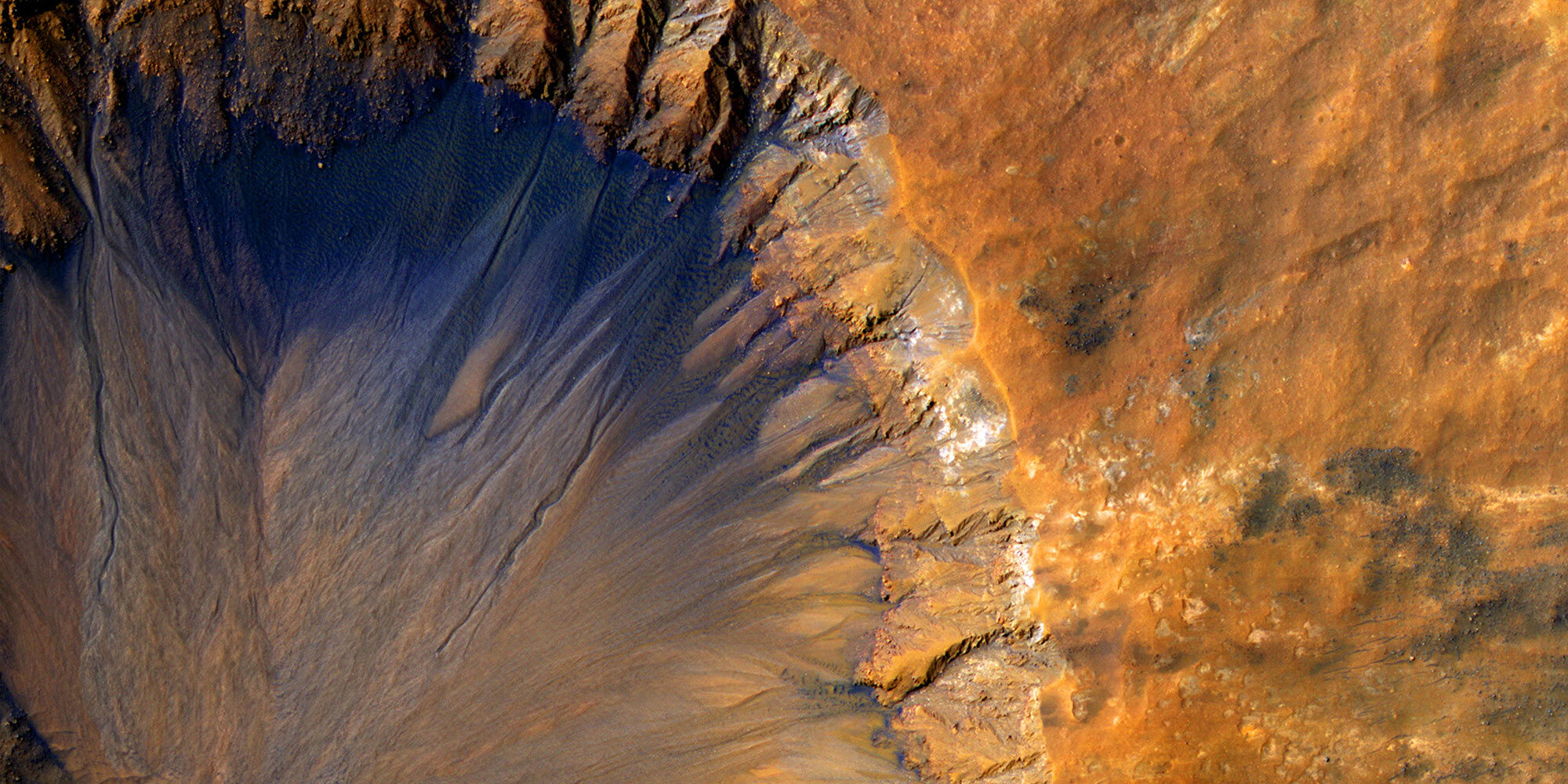
School of Earth and Planetary Sciences
Our planetary science research includes tracking fireballs, meteorite recovery and microanalysis of celestial samples.
Learn morePartner with us
By partnering with Curtin, you’ll gain access to a network of experts and specialised facilities that can help your business become more efficient, sustainable and profitable. There are also opportunities for investment, licensing, mentoring and employment.
Reach out to Curtin’s Research Partnerships Team using the form below.
In the news
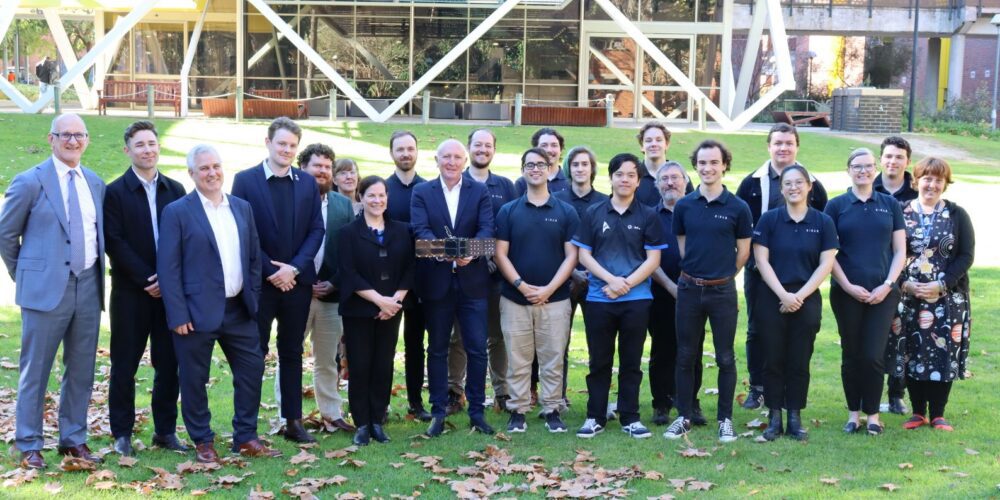
WA’s homegrown space program continues to reach for the stars
Western Australia’s homegrown spacecraft program will be expanded to deliver satellite missions that support school, industry and research engagement thanks…
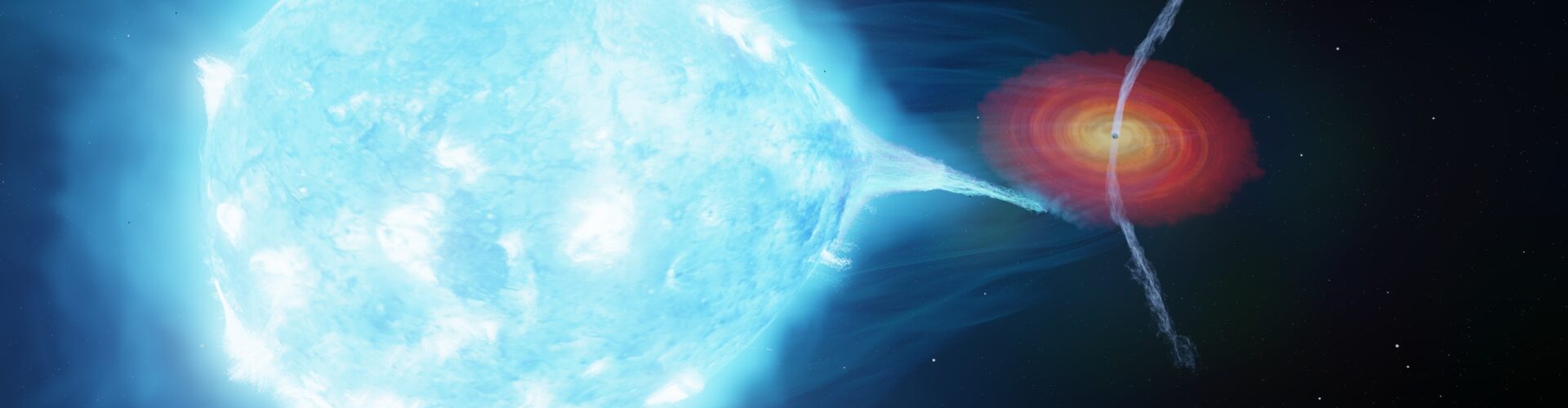
‘Dancing jets’ from black hole reveal their immense power
New Curtin University-led research has used a radio telescope that spans the Earth to snap images that measure the immense…
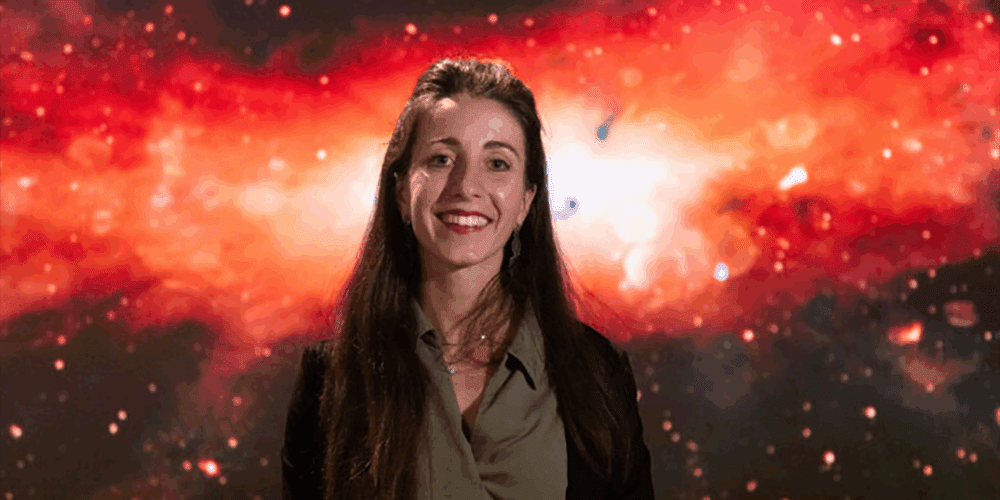
A new, expansive view of the Milky Way reveals our Galaxy in unprecedented radio colour
Astronomers from the International Centre of Radio Astronomy Research (ICRAR) have created the largest low-frequency radio colour image of the…
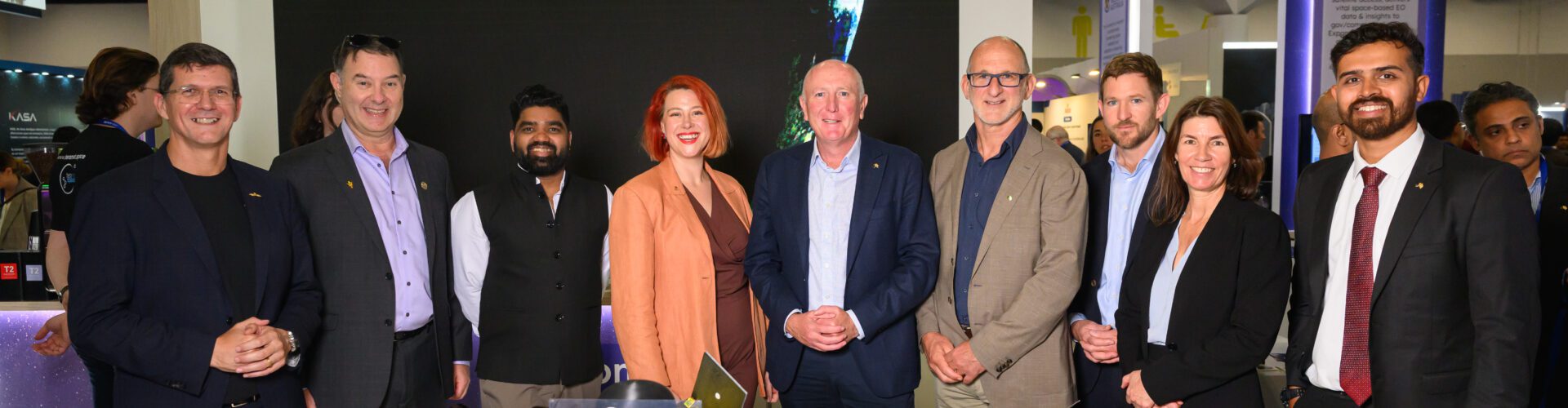
Curtin powers global push to find life on Mars and advance autonomy
Curtin University is helping unlock the secrets of life on Mars and advance next-generation robotics and autonomous systems, with two…