Reading time: 4 minutes
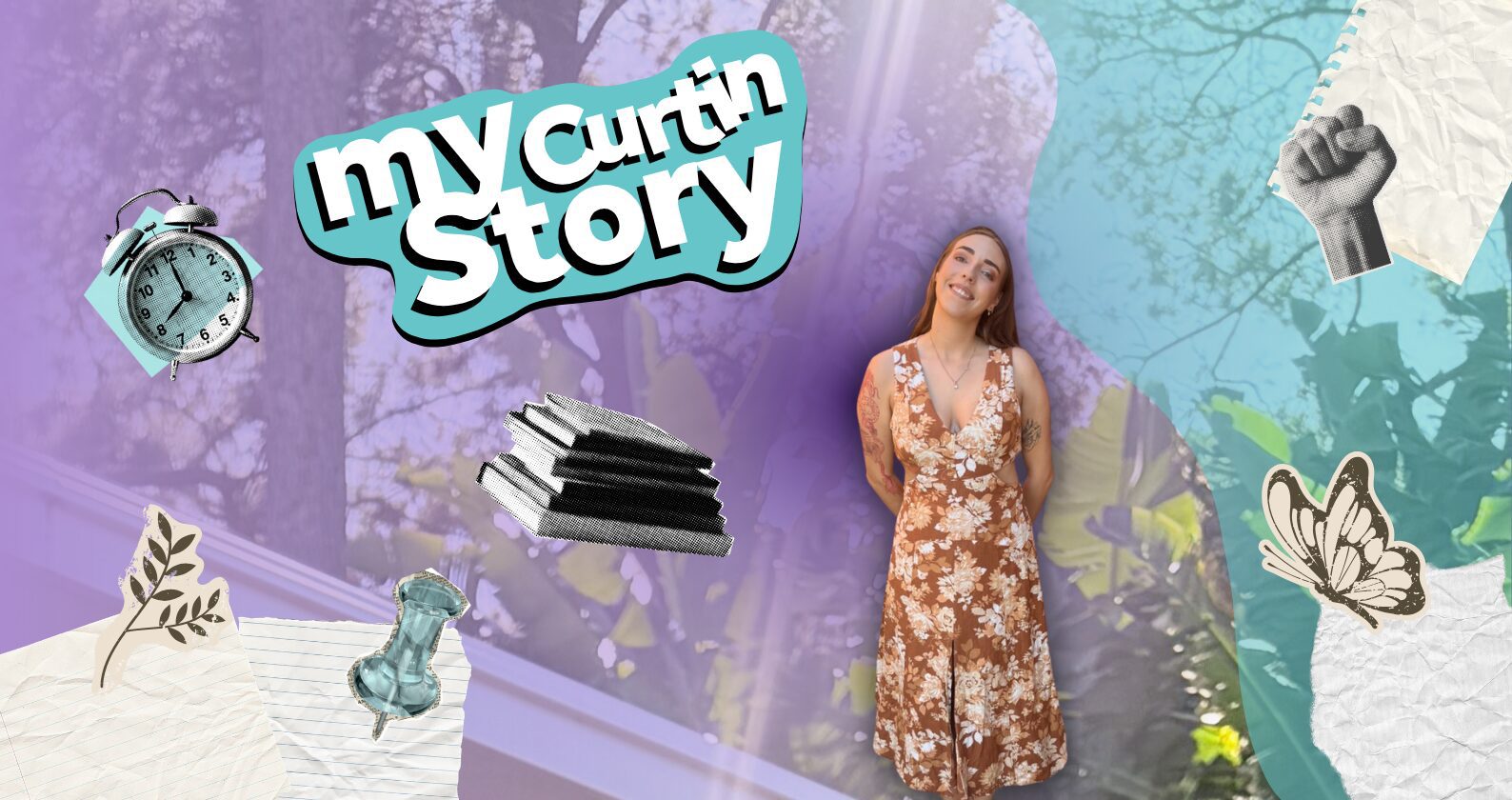
Throughout Ellen’s university experience, she’s faced some ups and downs. But entering her final semester, she’s found that, with the help of her community at Curtin and her mentor, it’s been an incredibly rewarding experience.
Starting uni, majoring in psychology, wasn’t easy for Ellen. Balancing studying full-time with her other commitments was difficult, and after some time, Ellen realised she didn’t want to study psychology after all.
But after working with her family’s building company in invoicing and financing, Ellen discovered her calling in accounting and finance.
“I found that really, really interesting. So after that, I was like, ‘This is a new avenue. Money’s not really going to die down and probably, hopefully, not get taken over by AI.’ I’d hopefully still have a job in the future.”
As a regional student, Ellen’s favourite part about studying at uni is the campus.
“I’d say it’s the best campus in WA. The people are really nice compared to what I’ve seen, and it’s a great massive community as well, so even if you feel lost or you feel stuck, there’s always somebody who’s checking in on you.”
As an Indigenous student, a strong sense of community has also been hugely important throughout Ellen’s uni experience.
“I’m a part of the Indigenous area, so they reach out to you quite a lot, which I find really awesome. Even tutors and lecturers make time for you, which I think is really, really awesome.”
Last year, Ellen also had the opportunity to be a part of the Moorditj Yorga Mentorship Program, a six-month program that mentored her through her career and life goals.
“I met with somebody who had a lot of life experience being up and coming and quite young, and trying to make herself big in the field, she was admirable. And it was really nice to see a different perspective on what things were like and how she got there.”
Though Curtin offers a range of activities, workshops, and support programs for First Nations and non-First Nations students, Ellen hasn’t had the opportunity to join in yet. But switching to full-time study for her final semester, she hopes to participate in one before she graduates.
As Ellen began her degree in 2020, she faced a plethora of challenges, including COVID and the rising cost of living. But her scholarships have been a huge help in motivating her to complete her degree after this long journey.
“Originally, when I did return to my studies, I struggled, and I didn’t pass many of my units. But ever since I’ve been able to get back on top of it, it’s been really helpful and pushed me forward to finish this.”
Ellen has found that she’s grown as she’s progressed through her degree, not only in her time management and organisation skills, but also in her confidence.
“I feel more competent and confident, which is very weird for me to say, because I don’t see myself as a very confident person. It’s made me more aware of things, especially with meeting different people and knowing their backgrounds, and that’s an experience that I can take throughout my life.”
Ellen’s advice to other First Nations students considering uni is to go for it.
“I applied, and I honestly didn’t think I had a great ATAR score. I had the benefit of being regional; they gave me extra points towards my ATAR, so it was really helpful to have those points behind me. But regardless of that, there are so many other avenues that you can go about to get there. I think just simply trying and giving it a go is the best thing that you can possibly do.”
After she graduates, Ellen hopes to work in risk management but is open to a range of different things.
“I haven’t quite figured out how to get there yet, but it’s definitely something that really piques my interest.”
While her 5-10-year plan may have undergone some alterations due to the challenges she’s faced, Ellen’s experiences throughout her degree have been valuable in preparing her for after uni, both in her career and in her life.