Reading time: 3 minutes.
Not all disabilities are visible. This Invisible Disabilities Week, learn more about invisible disabilities, the Hidden Disabilities Sunflower and how small acts of understanding can help create a more inclusive Curtin community.
What is an invisible disability?
An invisible disability is a disability or health condition that isn’t immediately obvious to others but can affect someone’s everyday life.
This can include chronic pain, neurodivergence, mental health conditions, hearing loss, epilepsy, Long COVID and many other conditions.
Because these disabilities aren’t always visible, people may face assumptions about their experiences, abilities or support needs. Someone might appear fine on the outside while managing pain, fatigue, sensory overload or other challenges that others cannot see.
Invisible doesn’t mean less real. Everyone’s experience is different, and no one should have to prove their disability or explain their personal circumstances to be treated with understanding and respect.
Challenging common misconceptions
Comments such as “You don’t look disabled”, “You look fine” or “But you did it yesterday” may seem harmless, but they can dismiss someone’s lived experience.
A person’s capacity can vary from day to day. They may need support in some situations but not others, and what works for one person may not work for someone else.
Rather than making assumptions based on appearances, we can listen to people, respect what they share about their needs and recognise that everyone experiences university life differently.
What is the Hidden Disabilities Sunflower Program?
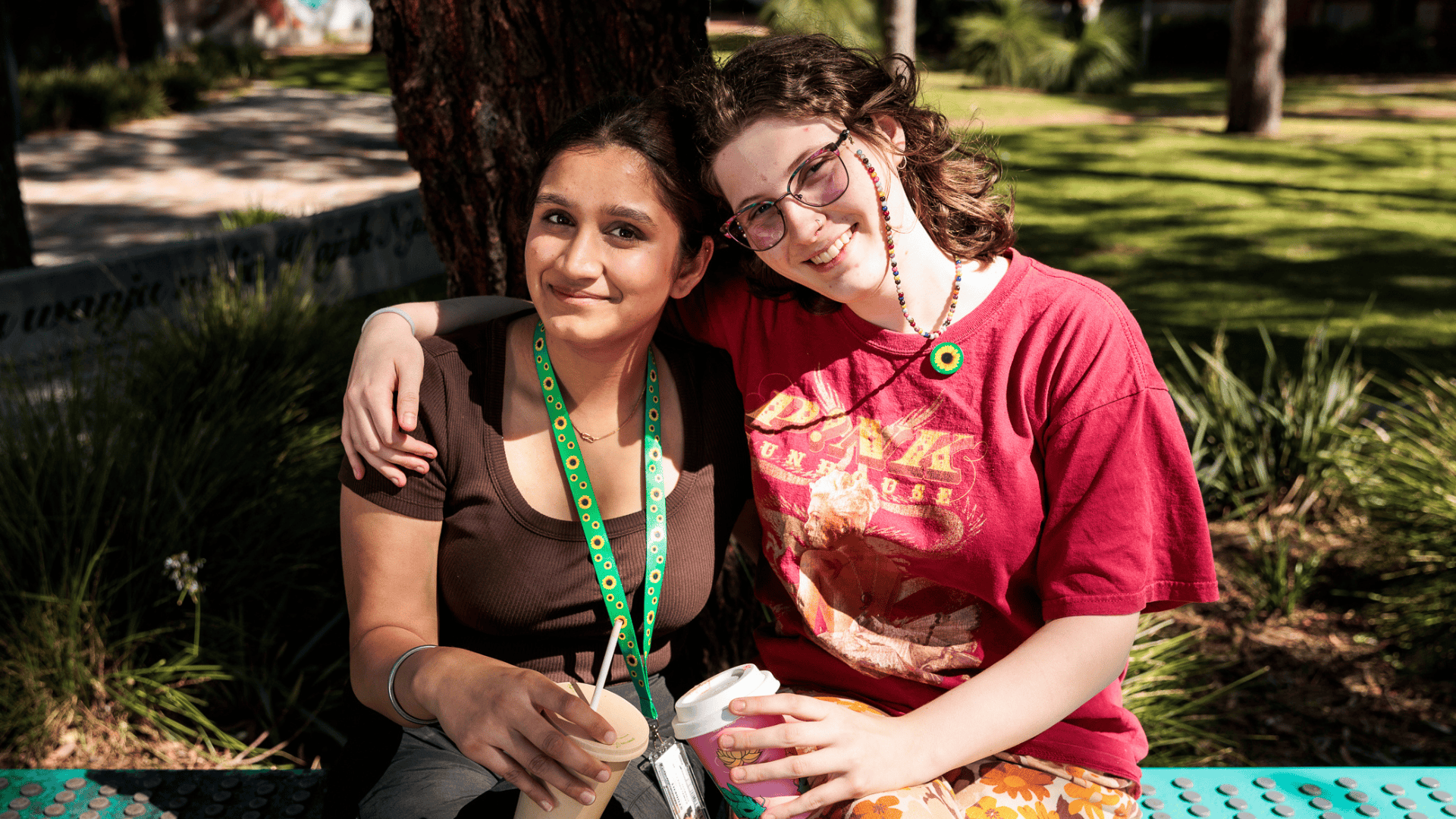
The Hidden Disabilities Sunflower is a voluntary symbol that people with non-visible disabilities can choose to wear to indicate that they may need additional support, understanding, time or patience.
It is recognised in many settings around the world and can help communicate that someone may need a little extra consideration without having to explain their circumstances straight away.
However, not everyone with an invisible disability wears a Sunflower, and wearing one does not mean someone needs help all the time.
If you see someone wearing a Sunflower
A few simple actions can make a difference:
- Be patient. Allow people the time they need without rushing or making assumptions.
- Offer help, but don’t assume. Ask if assistance would be useful and respect their answer.
- Communicate clearly and kindly. Give people time to process information and respond.
- Respect their privacy. You don’t need to know someone’s diagnosis to treat them with consideration.
You don’t need to know everything about a person’s disability to be a thoughtful friend or classmate. Sometimes, listening and being willing to understand is a meaningful place to start.
Creating a more inclusive Curtin community
We all have a part to play in creating a university environment where students feel respected, supported and able to participate.
You can help by challenging misconceptions, being considerate of different needs and remembering that a person’s circumstances may not always be visible.
You can’t always see a disability, but you can always choose to be kind.
Share this message with your friends, classmates or anyone who could benefit from a reminder that inclusion starts with understanding.
If you or anyone you know is experiencing an invisible disability and needs additional support, you can access a range of disability and accessibility support services at Curtin.