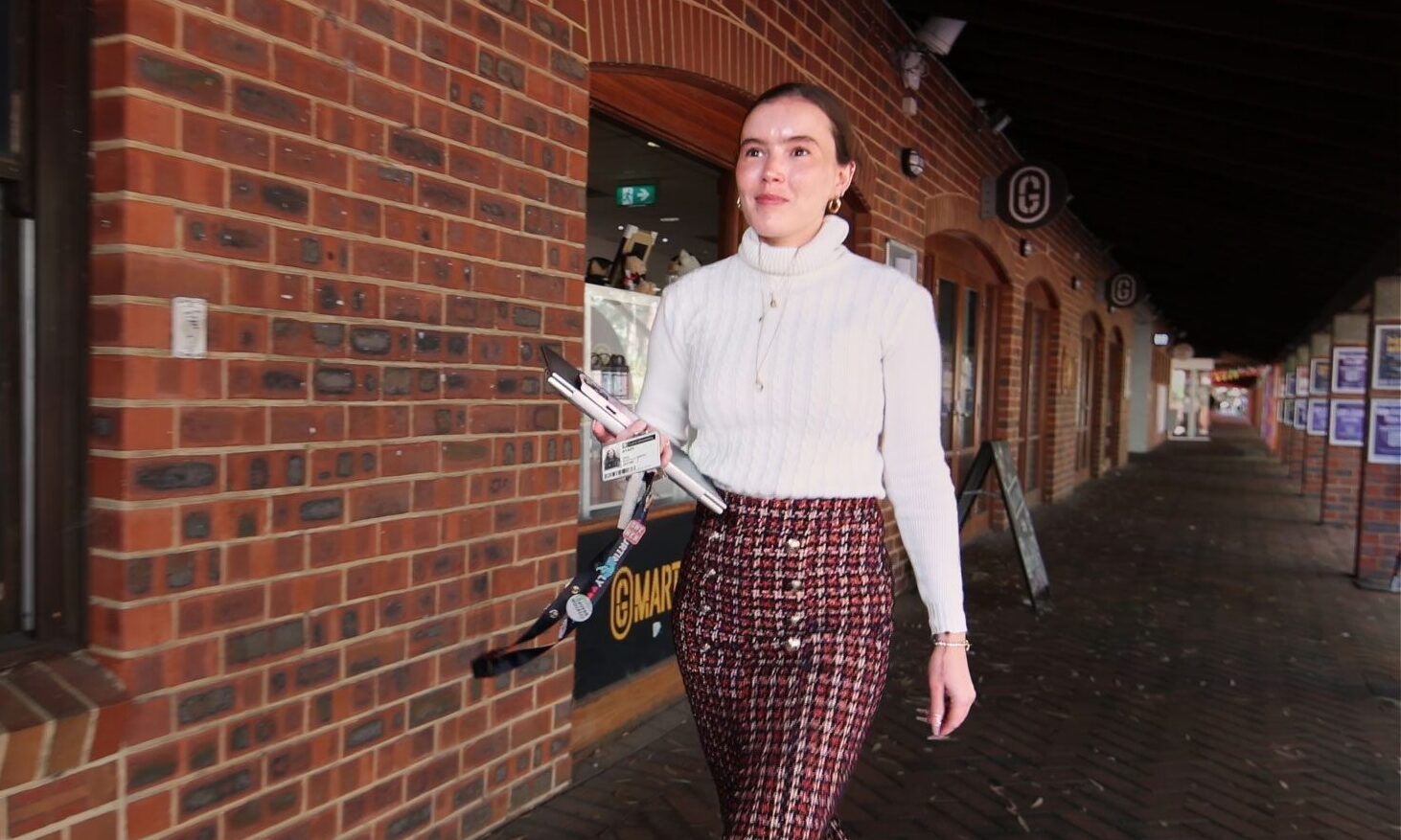
For many people affected by cancer, surviving the disease is only part of the journey. The emotional, psychological and physical impacts can continue long after treatment ends. Curtin researcher Dr Chloé Maxwell-Smith is working closely with community, health professionals and local organisations to improve care from pre-screening through to treatment and beyond.
Chloé says improving care starts with understanding where people need more support and listening to those with lived experience.
“Cancer is a different story for everyone,” she says. “But there are so many gaps in the journey that we need to pay attention to.”
“There are gaps in diagnosis, screening, seeking treatment, adhering to treatment and gaps when treatment finishes.”
Understanding these challenges has been central to Chloé’s research.
“At every stage we’re asking the question, how can we make practical changes to improve the experience for people affected by cancer?”
– Dr Chloé Maxwell-Smith
Research shaped by lived experience
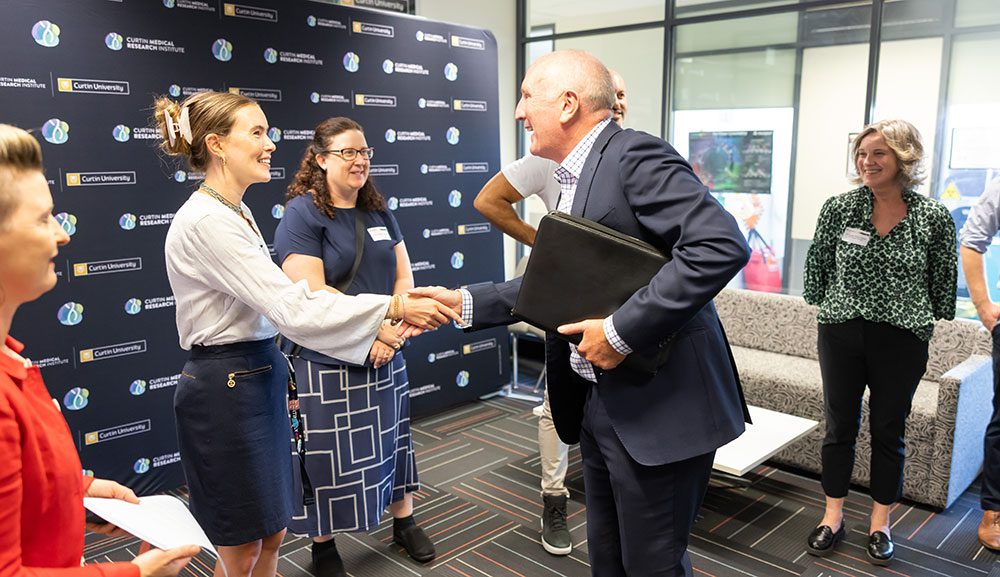
As part of Curtin’s Medical Research Institute, Chloé works closely with a local advocacy group.
“Through our Cancer Domain’s Consumer Advisory Group, I work closely with people affected by cancer, including people with or beyond a cancer diagnosis, carers and community members to inform my cancer research,” she explains.
“It’s not about doing research in an office or in a lab with my colleagues and students and then sending it out to the world and hoping it’s useful,” she says.
“It’s about bringing community in straight away. We want to know if the project is valuable from the start.”
– Dr Chloé Maxwell-Smith
She also works closely with industry experts, hospitals and local organisations.
“Our most useful projects are linked with external partners,” she says. “There are consumers across all stages of our research, across different projects. And they are driving our questions and proposed solutions, the way that we research and how to interpret the findings.”
Turning cancer information into action
One area of Chloé’s research looks at why people may delay cancer screening or seeking medical help after noticing symptoms.
In the last ten years, around one million Australians have been diagnosed with cancer1, and the number continues to increase.2 Chloé says there is an urgent need for cancer messaging that helps people understand when and how to take action.
She says it’s not simply about giving people more information. For people to act on it, the messaging needs to be relevant to their circumstances, culturally safe and easy to put into practice.
“Cancer messages can sometimes rely on fear or shock to get people’s attention,” she says. “But people need to know what to do after noticing something isn’t quite right.”
Chloé says she works closely with the Cancer Council on their Find Cancer Early campaign in regional WA.
“We investigated the role of doctors modelling simple detection behaviours, and why some messages didn’t stick,” she explains.
“We found messages delivered by ‘regional champions’ – local members of the community with lived experiences of cancer – may be a relatable and memorable way to encourage people to take action.”
– Dr Chloé Maxwell-Smith
Survivorship can be overlooked
More Australians are surviving cancer than ever before, with five-year cancer survival rates rising from 46% in 1986 to around 72% in 2021.3
Chloé says improving support after cancer is key.
“People are experiencing the effects of their cancer or their cancer treatment many years down the track,” she says.
Cancer survivorship can involve much more than recovering from treatment. People may experience difficulties returning to work, changes to their identity and body image, or long-term physical effects like nerve damage, pain, numbness or muscle weakness.
“People after cancer may be thinking, ‘Maybe everybody else thinks I should be back to normal and back to work, but I’m still experiencing numbness in my fingertips or difficulty with focusing’. These longer-term effects receive less attention but are still debilitating.”
– Dr Chloé Maxwell-Smith
Chloé says cancer is increasingly being understood as a chronic condition rather than an acute experience that is simply ‘over and done’ once treatment ends.
“It can be chronic in terms of long-term side effects and more acknowledgement and conversation around that is a good starting point.”
From local research to global impact
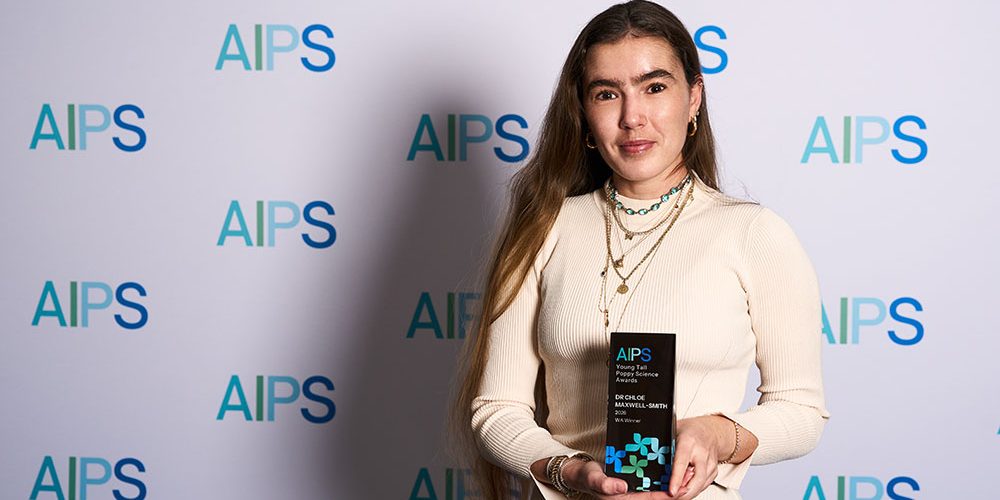
Recently named a WA Young Tall Poppy for 2026, Chloé’s award-winning research is influencing health policy locally and abroad.
“My colorectal cancer research has recently been cited in guidance from the UK’s National Institute for Health and Care Excellence (NICE),” she shares.
“It’s aimed at health practitioners and helps them understand the information needs of people before, during and after colorectal cancer treatment.”
Her supervision of research into physical activity during breast cancer treatment has also contributed to a behaviour change manual. Physiotherapists at Royal Perth Hospital can now apply behaviour change strategies to support people to stay active during treatment.
Supporting the next generation of researchers
With almost one in two Australians expected to be diagnosed with cancer by age 854, Chloé is passionate about preparing the next generation of researchers to create change beyond academia.
“Research literacy is a really important part of being a scientist practitioner – understanding the evidence, questioning it and knowing how to translate it into something useful for people and their communities,”
– Dr Chloé Maxwell-Smith
“There is this idea that you either need to go down a research pathway or down a practitioner pathway. But you don’t have to choose. You can do both. Having research literacy is essential to responsible and impactful practice. Our future leaders in behavioural medicine should draw on both scientist and practitioner expertise.”
She puts this philosophy into practice as Deputy Director of the Behavioural Science and Health Lab group, which includes PhD, masters and honours students. The group meets weekly to present work, develop skills and learn from each other.
“There’s a lot of mentoring between more senior students, for example, between PhD and honours students,” she explains.
“We work on networking and workforce readiness, novel research methodologies and analyses, and writing a CV. They’re all sharing secrets and asking each other, ‘how do you do this?’ and ‘who did you speak to for that?’ It’s very much a community.”
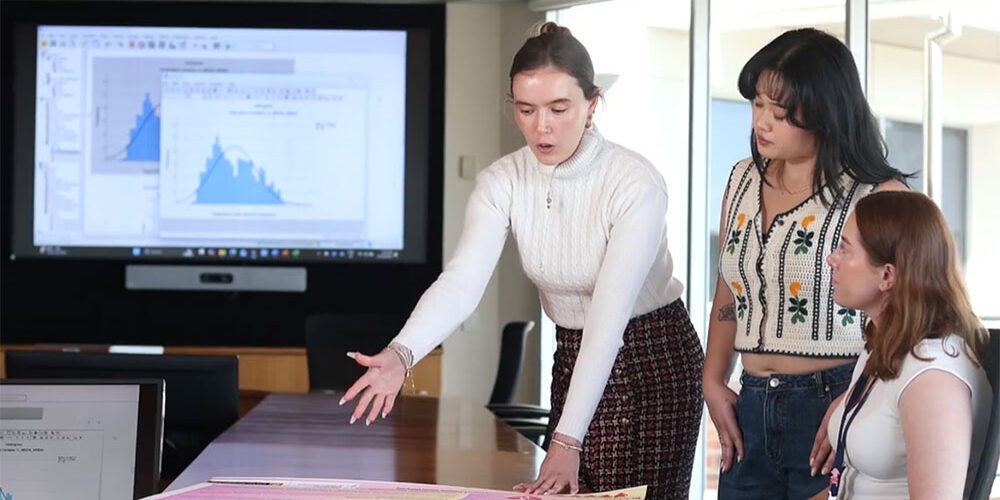
Students are also exposed to real-world research partnerships. Projects can involve working with local organisations, hospitals and national research groups, allowing students to see how research is translated into healthcare settings.
“One of our PhD students has just found a position at Perth Children’s Hospital which is very exciting,” she smiles. “She’s now overseeing research as a project officer.”
If you want to create real-world change, see how you can get involved in research at Curtin.
1.https://www.aihw.gov.au/reports/cancer/cancer-data-in-australia/contents/overview 2.https://cancerwa.asn.au/cancer-prevention/screening-and-early-diagnosis/ 3.https://www.aihw.gov.au/reports/cancer/cancer-data-in-australia/contents/overview#incsurv 4.https://www.cancer.org.au/cancer-information/what-is-cancer/facts-and-figures