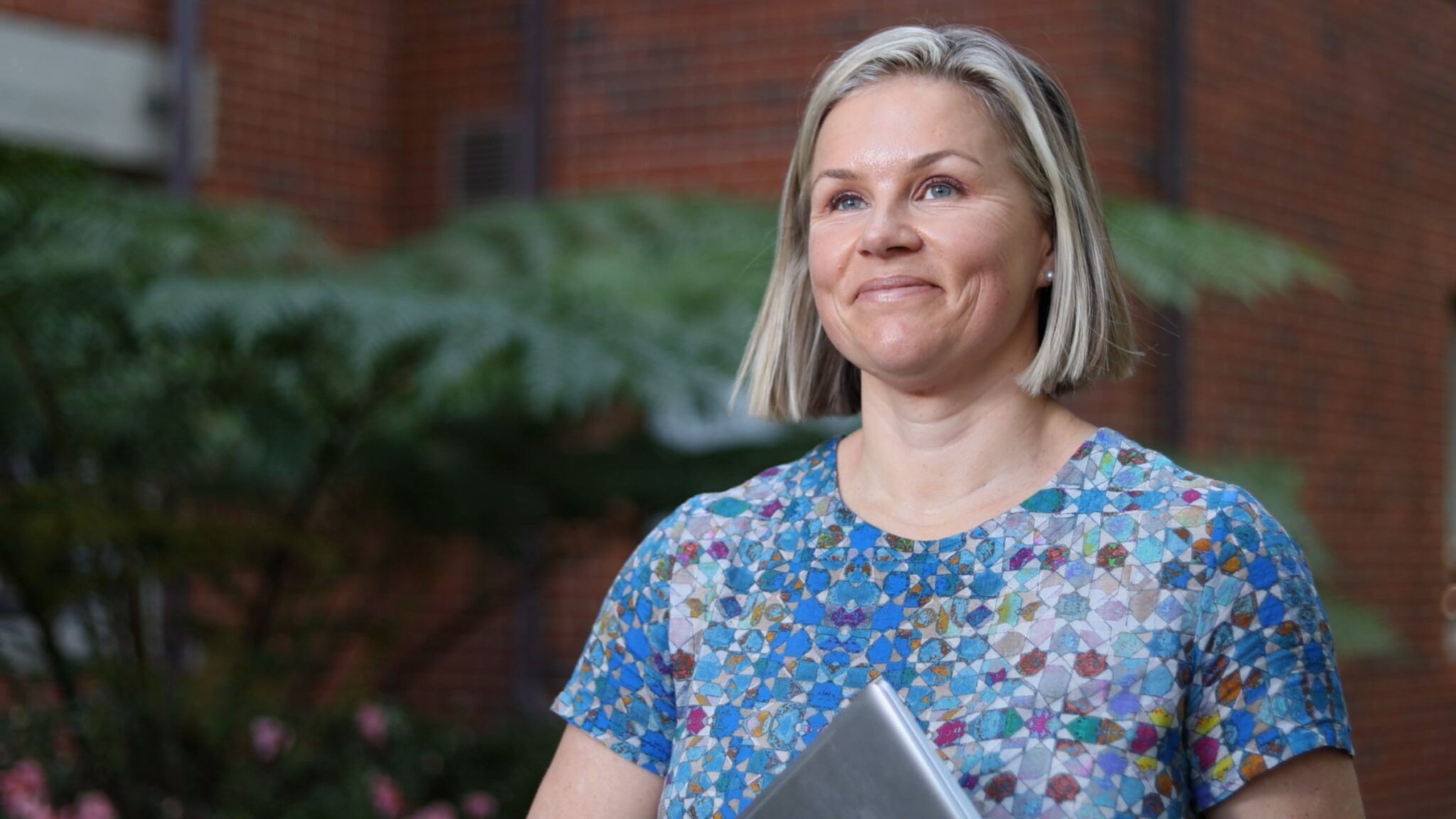
Meet Associate Professor Jacqui Hendriks from the Faculty of Health Sciences. Her research is dedicated to improving sexual health and wellbeing among young people. Outside of work, she enjoys spending time with family and eating a good meal but despite her career in health, she’s never developed a taste for fruit.
Describe your research in 3 words
Practical, strengths-based, preventative
Tell me briefly about your field of research?
My research spans public health, sexology, education and health promotion, with a focus on improving sexual wellbeing for young people. I translate contemporary evidence into practical and inclusive approaches that build the capacity of education and health professionals to support young people’s safety, wellbeing, and agency, and to inform policy, practice and professional learning.
Research highlight:
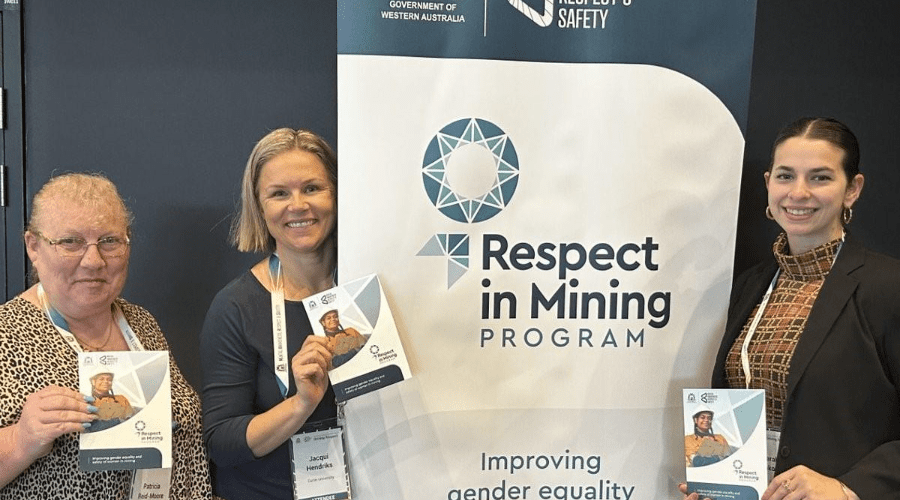
I’m particularly proud of research that has been co-designed with educators, community organisations and young people, ensuring findings are grounded in lived experience and directly applicable in real-world settings. Seeing this work taken up by schools, professional learning programs and policy conversations is deeply rewarding and reinforces the value of collaborative, practice-informed research.

A highlight of my work has been supporting and contributing to various international, national, and local initiatives that are led by young people themselves, creating spaces for them to speak openly about sexual health and wellbeing. These youth-led events are especially meaningful to me as they reflect the core aim of my research: amplifying young people’s voices and translating evidence into action.

If you could sit in with any Faculty for a day, which would you pick?
I’d love to spend a day with colleagues in the Faculty of Education. Much of my work is designed to support educators and school communities and I’m always keen to deepen cross-faculty collaboration around how research can best support teaching practice, and whole-of-school approaches to health and wellbeing. Strong partnerships between health and education are essential for meaningful, sustainable impact.
What are your passions/hobbies outside of work?
Outside of work, I enjoy spending time with my family, especially navigating life with two adolescent children. I also enjoy taking my dog to the beach, travelling, reformer Pilates, reading, cooking and eating a good meal – just not all things at once.
What’s a fun fact about you that your colleagues would probably not know?
Despite working in health, I somehow never developed a taste for fruit. Shameful I know!
What’s the most valuable things you’ve learnt in your career so far?
High-quality research is essential, but its real value lies in whether it is accessible, usable, and responsive to the needs of communities, practitioners, and policymakers. Building strong, respectful partnerships is critical to ensuring research is relevant, ethical, and capable of creating meaningful change.
What’s a piece of advice you would give to fellow colleagues and students alike?
Be open to learning from others and push yourself to work collaboratively. Some of the most rewarding and impactful opportunities come from building partnerships, asking questions, and learning alongside people with different perspectives and expertise. When you stay curious and connected to others, your work is more likely to be meaningful, relevant, and make a positive difference in the world.
This piece was featured in Impact Focus – a quarterly newsletter bringing you the latest in Curtin research. Sign up here to get it delivered straight to your inbox!