The John Curtin Gallery’s 2026 program focuses on art as a catalyst for cultural exchange, critical reflection and future imagining. An exploration into global connections, First Nations perspectives and regional voices, the program invites audiences to engage with history, resilience and radical possibility.
Bunuru Season
A call and response across the ocean:
Thania Peterson – JAWAP
Dhomala
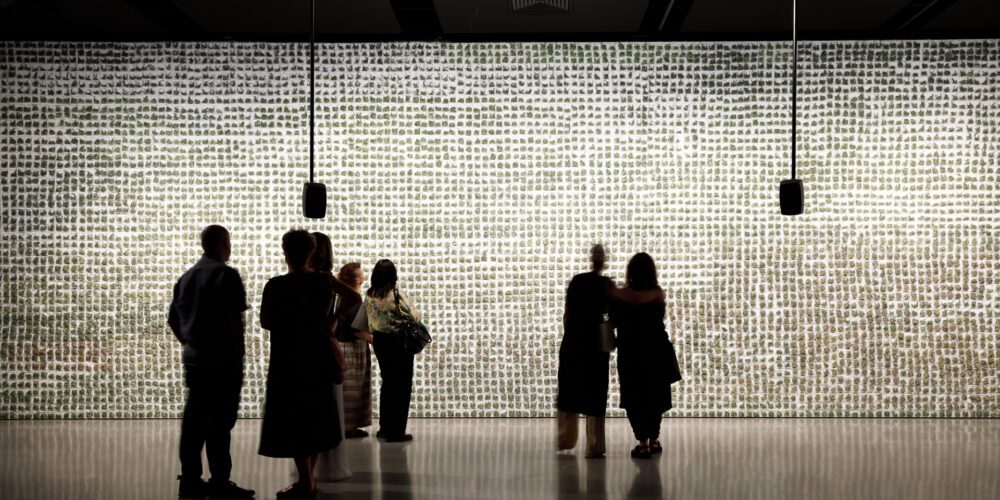
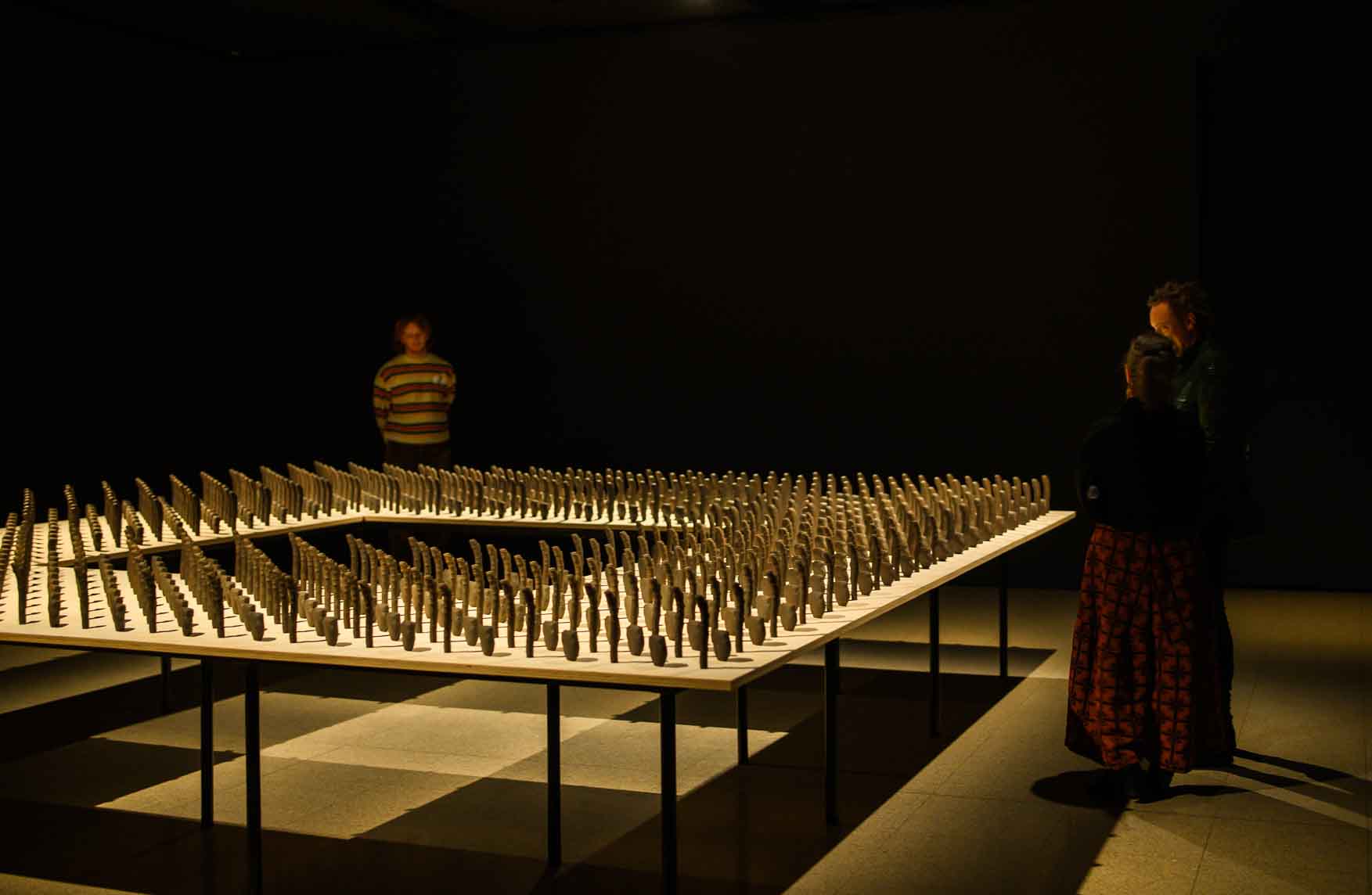
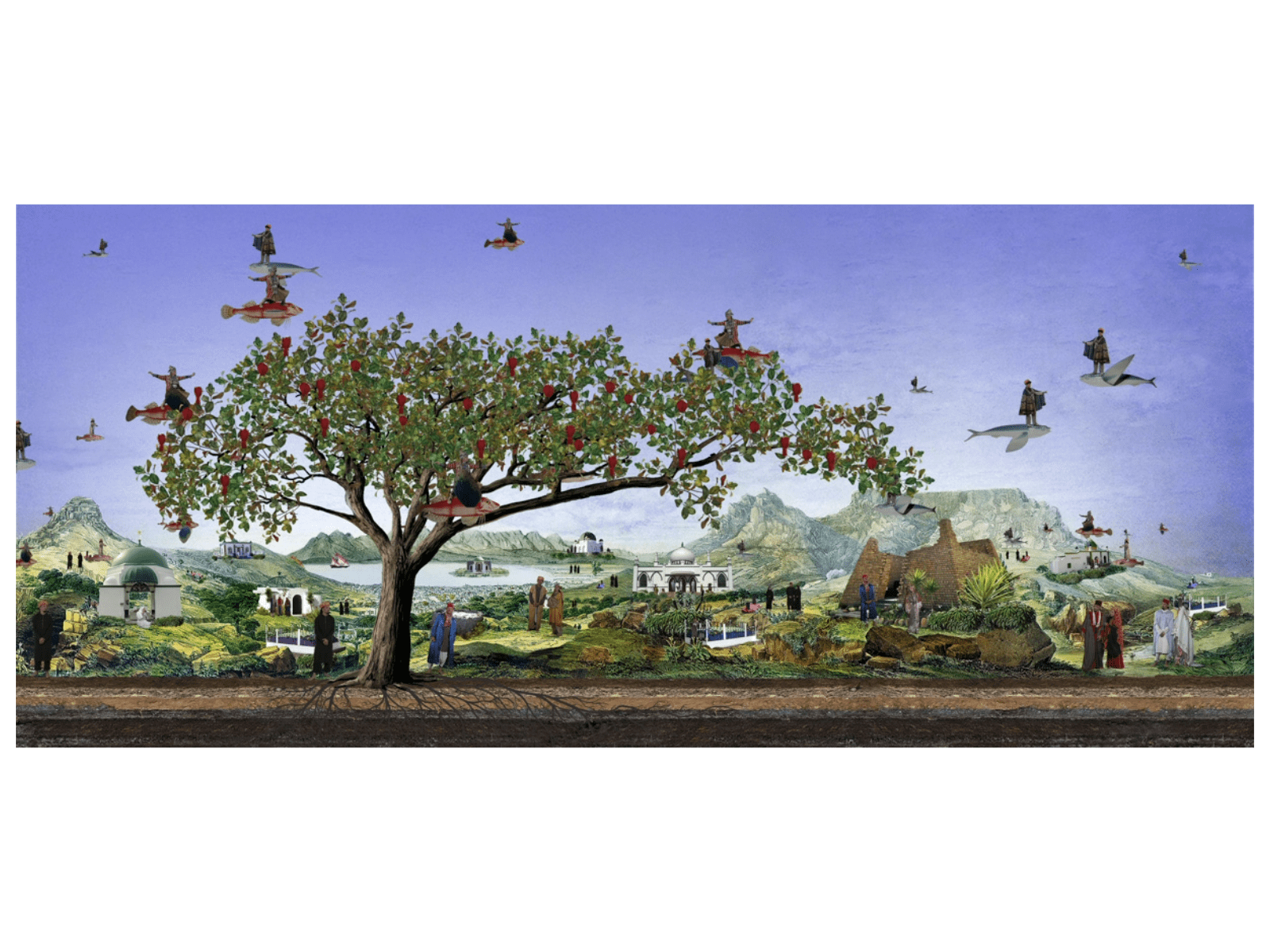
A call and response across the ocean brings together living histories of the Indian Ocean, reuniting friendships and kin ties that were severed through transglobal acts of colonisation. This reconnection offers a vision of the world in which generosity, empathy and cross-cultural collaboration can begin to heal the wounds of the past. Petersen’s large-scale olfactory installation Rampies Sny and film JAWAP – an Australian premiere – fill the galleries with smell, sound and sumptuous imagery.
Petersen’s new multi-channel sound work Jeiker uses recordings taken on site in Makassar, Indonesia, in collaboration with Makassan musicians who hold knowledge of their shared histories. Evoking a call and response across the ocean space, the work explores historical friendships, linking northern Australia, Makassar and Cape Town. In a performative act of decolonisation, Petersen’s work moves beyond trauma to focus instead on friendship and love.
Dhomala provides a deeper context to the connections between Australia and Indonesia. Historical and contemporary artworks from Arnhem Land and Makassar demonstrate the dynamic exchange of culture, language, song and story that have informed this relationship since a pre-colonial era. Sail-making and cross-oceanic trade is celebrated through a range of media including animation, drawing and textiles.
JAWAP and Dhomala draw from living and historical archives of song and story. Collectively these exhibitions unite as A call and response across the ocean, and unpick legacies of colonial oppression, creating shared and celebratory spaces in their place.
Makuru Season
Christopher Pease
Reko Rennie
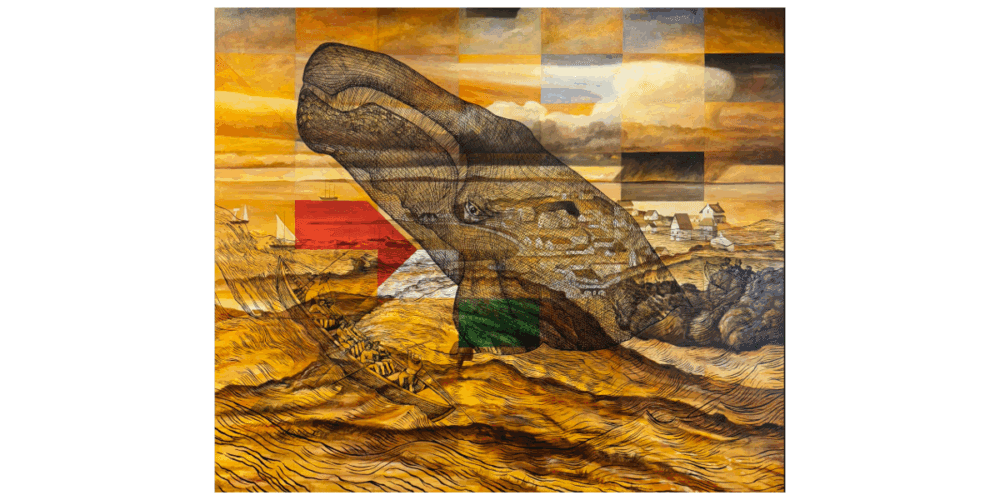
Christopher Pease is a Minang/Wardandi/Bibbulmun man from Southwestern Australia, whose visual language is at once deeply embedded within the western history of figurative oil painting and traditional Indigenous storytelling.
In 2026, the John Curtin Gallery will present Pease’s first major survey exhibition, featuring significant loans from major public and private institutions, alongside new large-scale paintings. Drawing from Museum archives and his own cultural lineage, Chris Pease explores legacies of colonisation, themes of social justice, land use, and Noongar identity and resilience.
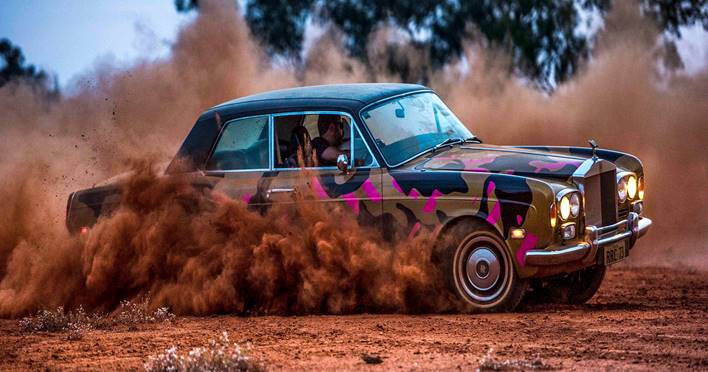
Reko Rennie is an interdisciplinary Australian artist who explores personal and political narratives through the lens of his Aboriginal (Kamilaroi) heritage. Informed by 1970–80s American graffiti culture, Rennie started his practice as a teenage graffiti artist, finding his voice on the surfaces of Melbourne’s city buildings, trains and laneways.
OA_RR (which stands for Original Aboriginal Reko Rennie), is a three-channel video work with a soundtrack by Nick Cave and the Bad Seeds. The work documents, Reko’s emotional journey back to Country in a reclaimed 1973 Rolls-Royce Corniche which he hand painted in his signature camouflage. Rennie drove donuts, or circle-work, into the red earth as the sun sets, the markings simultaneously recalled urban car culture and traditional Kamilaroi sand engravings.
Kambarang Season
Regional Art Triennial – Radical Futures
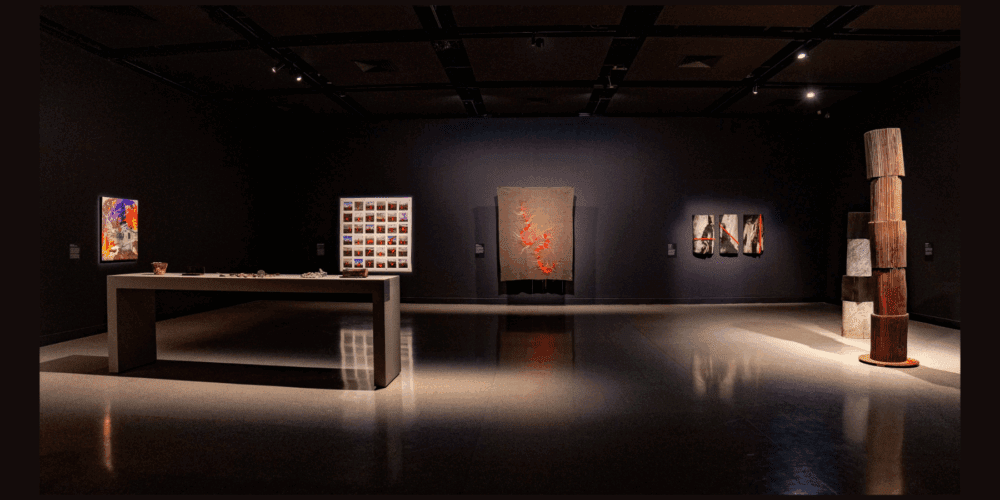
The third iteration of the Regional Arts Triennial, Radical Futures, explores the role of the arts as a catalyst for change in times of collapse. Focusing on collective imagination and drawing upon the concept of aesthetic force, Radical Futures reveals aspirations for tomorrow, across what is now known as regional Western Australia.
Through the visionary works presented within Radical Futures, regional artists engage in collaboration and collective imagining of more equitable, sustainable futures. Their creations highlight the potential for transformation within ourselves and our communities, with each art form serving as an invitation to reflect deeply on the future. Free from claustrophobic high-rises, traffic jams and suburban sprawl, regional artists have the unique ability to finely attune to the world around them. With lived experience of nuanced challenges and a deep understanding of community aspirations, no one is better equipped to envision a local future that transcends current limitations.
Radical Futures at John Curtin Gallery presents a survey of works selected from exhibitions in 13 regional venues across WA. From Esperance to Carnarvon, Broome to Kalgoorlie, these exhibitions bring together artists, curators and visitors from regions that are alive with creative responses to the overarching theme of Radical Futures.
Carrolup Artworks
Once Known
Kattidj Nagar
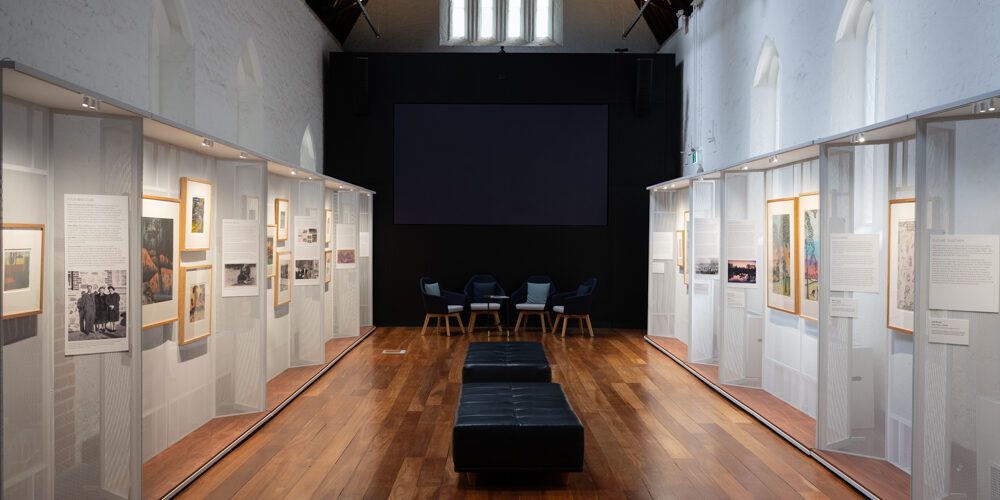
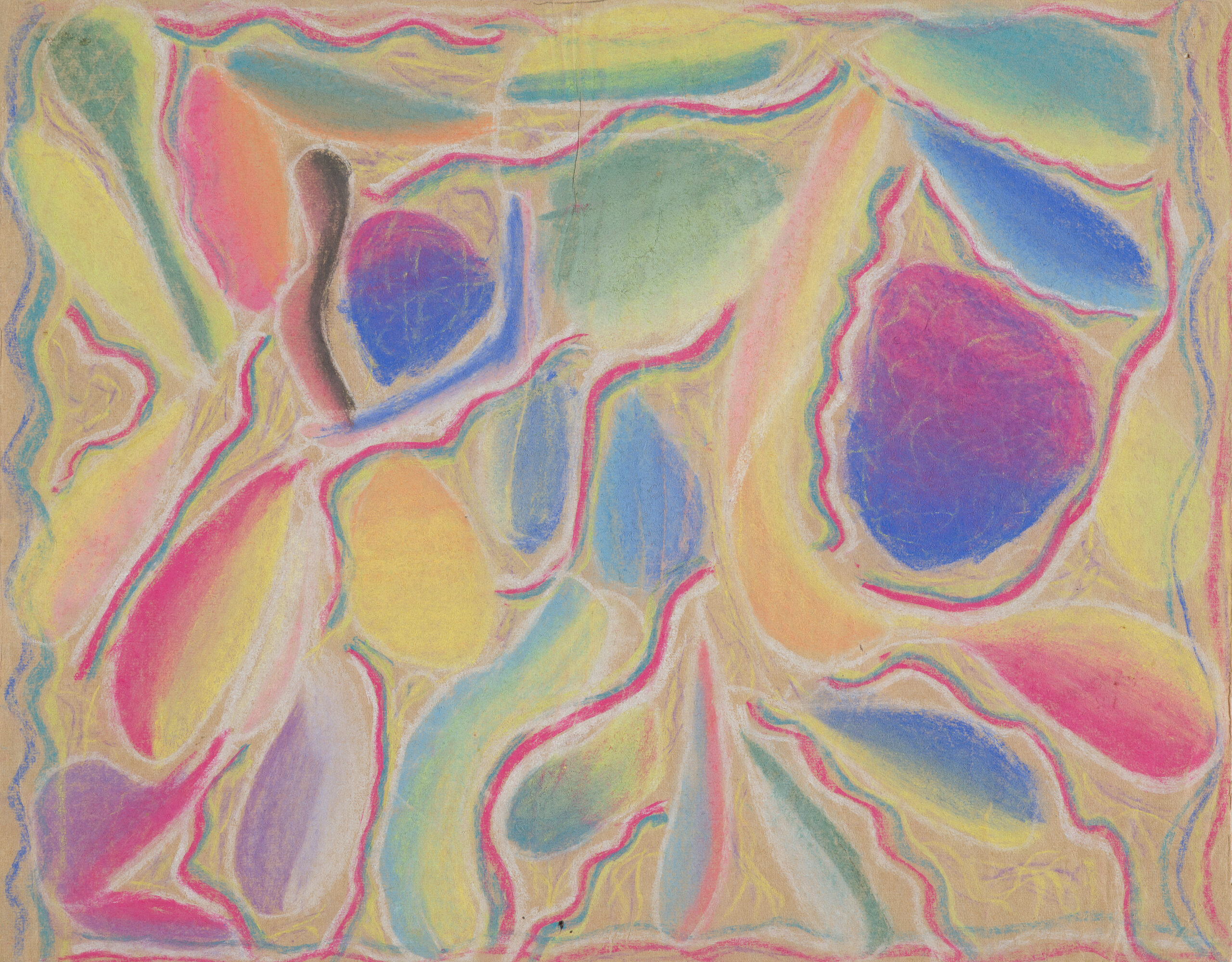
Opened for the first time at the Old Perth Boys’ School, Once Known showcases reproductions of the fragile artworks created by children forcibly taken from their families and detained at the Carrolup Native Settlement in the 1940s. This unique Collection of art reminds us that each child had a name, a family and a story. These works stand as a testament to the creativity and resilience of the Carrolup children, offering a glimpse into their enduring connection to Country.
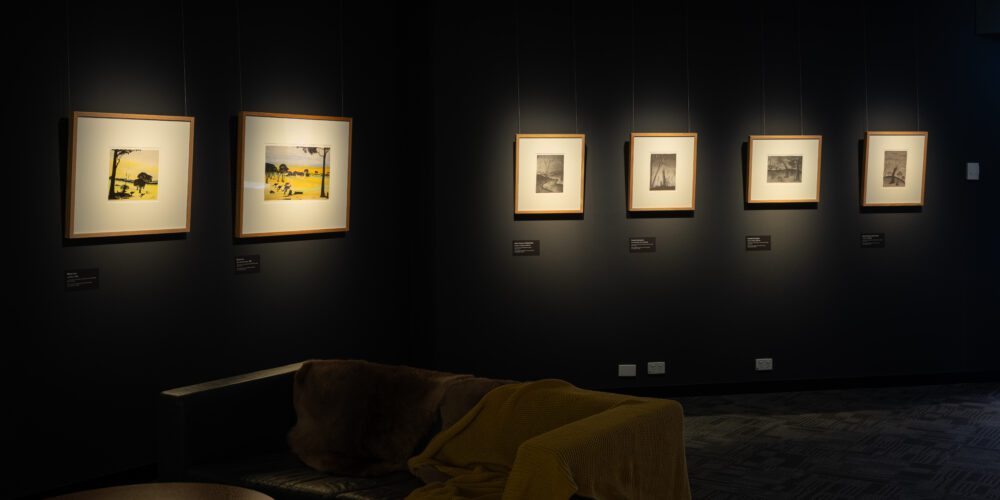
Kattidj Nagãr [Peaceful Quiet Reflection] is a place of connection. A gateway to a third space of shared truth and understanding of our interwoven history. A place where, through the children’s artwork and stories, we acknowledge the strength and resilience of Aboriginal peoples and cultures and walk together to create a more just and equitable world. The space opened in October 2025 with artworks by Barry Loo, Edie Wallam, Keith Indich and Once Known Child Artists, with works by Authur Bropho, Alma Cuttabut, and Parnell Dempster.
Featured Image: Thania Petersen, JAWAP (still), 2025, single channel video with five channel sound. Edition of 10. Courtesy of the artist and Ames Yavuz.