Listen to the full conversation
In the episode, we discuss Jayne’s fascinating journey to academia, sustainability leadership, and generational equity. Don’t miss it.
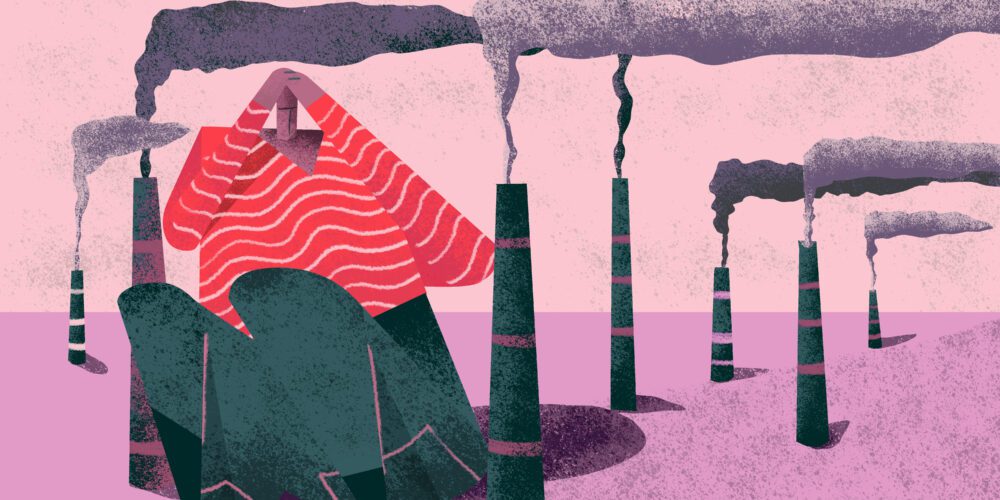
As extreme weather events become more frequent and the realities of climate change crystallise, more people are grappling with feelings of fear, grief and helplessness about the future of our planet.
One thing is certain: climate anxiety is real. And for many of us, it’s something we already know all too well.
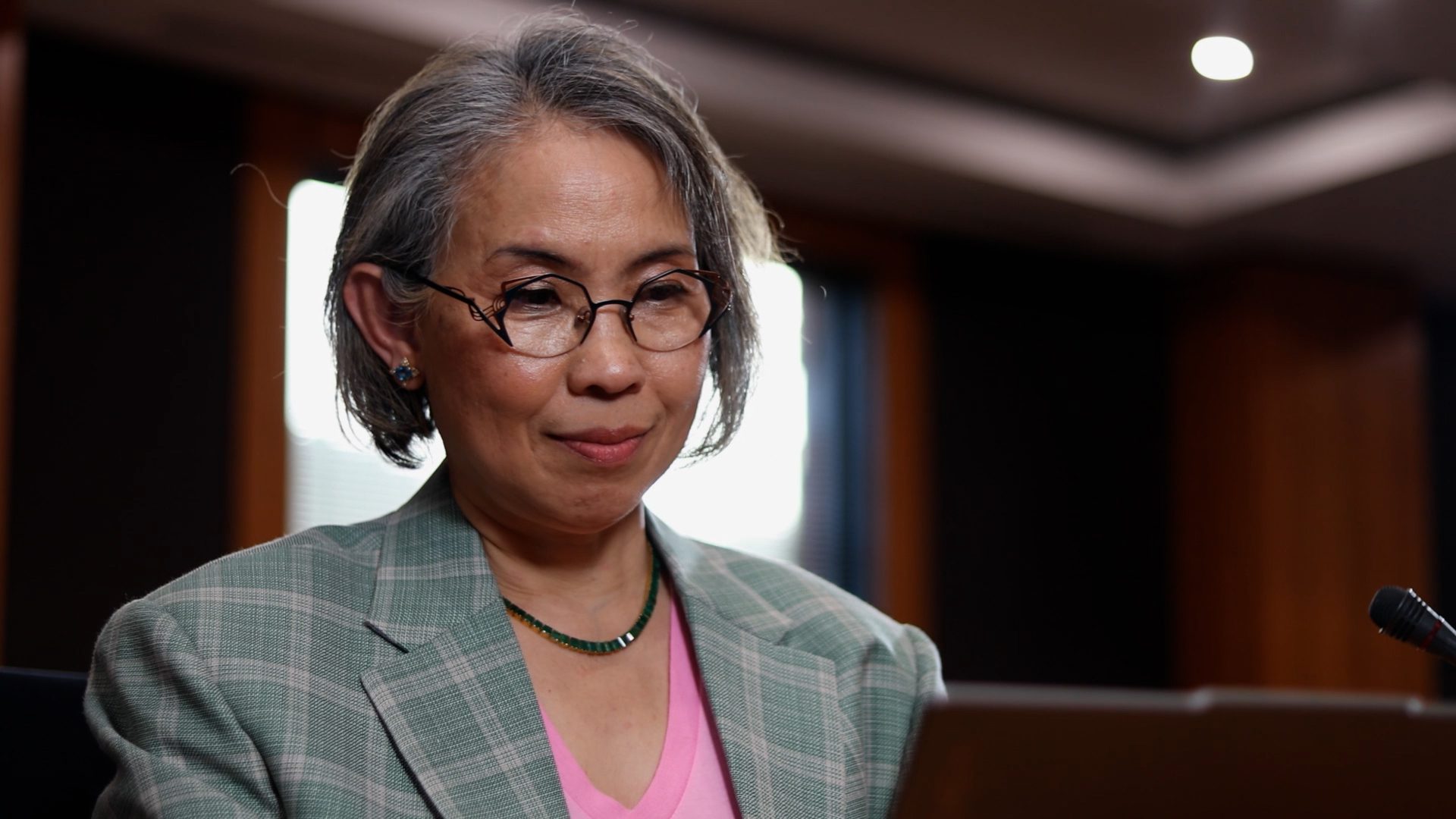
On The Future Of Climate Anxiety, we spoke with Associate Professor Jayne Bryant, Director of the Curtin University Sustainability Policy Institute, to explore climate anxiety and how each of us can turn those feelings into meaningful action – in our own lives and communities
Here’s a snippet of the conversation. You can also listen to the full episode by clicking below.
Climate anxiety is the sense of distress, overwhelm or dread that comes from understanding the consequences of climate change.
“It’s that sudden realisation that the way you’re living your life and the values upon which we’ve based everything might not work moving forward. That’s pretty confronting,” explains Jayne.
“Climate change is one of the most significant issues that we need to deal with – but it’s a symptom of our unsustainability on Earth.”
Jayne is clear: you don’t have to choose between feeling anxious and taking action. But having those feelings may help you in the long run.
“Honestly, if I didn’t discover this thing and get upset and stressed about it, I wouldn’t have made any change myself,” she admits.
“When you truly investigate the climate crisis, the reality is so disturbing that if you actually get it, you’ll be upset. And that’s the first step for many people towards making change.”
Jayne describes three common responses to experiences of climate anxiety: denial, despair and action. It’s that third response – what philosopher Joanna Macy calls “active hope” – that Jayne advocates for.
“We have more power than we think if we choose to use it,” says Jayne. “And isn’t it a better way to live a life – to be moving towards something that you value, care about, to live a life trying to create something better in the world?”

Jayne’s research on the ‘inner dimension’ of sustainability work identified eight qualities that help people manage climate anxiety, eco-anxiety and climate grief – and take action in their own way.
Climate-related work is emotionally demanding – feelings like disappointment and frustration are often a part of it. Jayne describes self-regulation as learning how to “do the work, experience the disappointment, get knocked back, process that and then keep moving forward.”
Described as the ability to ‘ensure the mental, physical and emotional resources required’ for sustainability work, wellbeing was one of the most significant capacities identified in Jayne’s research.1 Sustaining climate action over the long term isn’t possible if you’re running on empty.
Jayne means everyone, “Not just those who are like me. All of them. All of us.” In the context of climate action, deeply valuing other human beings means recognising that the crisis affects everyone – and that solving it requires collective effort.
“Let’s not do caricatures of ourselves – let’s show up honestly and authentically,” says Jayne. She highlights how instigating and sustaining change means bringing your unique strengths to the table.
Climate change doesn’t have a single cause or final solution, and sitting with that reality – without feeling stuck – is its own skill. As Jayne explains, “Right now, we have to accept and exist in an imperfect world, and still try to make it better.”
Letting things be isn’t giving up – it’s picking your battles. “Learning to shrug the shoulders if you need to, go for a walk on the beach and just accept how it is,” says Jayne. “Because things can’t always be perfect.”
Heavy topics don’t necessarily require a sombre mood. Light-heartedness can help you stay in the work in the long term. “Persisting with lightness is crucial – see if you can find that humour sometimes,” Jayne says. And the fact that we get to live a life of meaning and purpose is a gift.
Instead of being calloused, why not get curious? A learner’s mindset is essentially seeing challenges as opportunities to grow – and it’s key to resilience, especially in the face of something as big and, let’s be honest, scary as climate change. “Always be curious – we’re constantly just beginning – listen to others, and stay open,” says Jayne.
Jayne offers an analogy that reframes the whole question of individual contribution.
“As a musician – or someone conducting an orchestra – you bring musicians who have all their different instruments together to this one song or one piece. You work collectively, but you all play your own part in it… that is how I approach sustainability.”
“I think the real question is, how do we move towards something collectively but using our own strengths to do that?” Jayne explains.
Climate anxiety is a response to the scale of the crisis we face. But, as Jayne Bryant’s own journey demonstrates sometimes the distress of really confronting climate change can be the very thing that compels us to make a positive contribution.
The main message of our The Future Of Climate Anxiety podcast episode: your feelings are valid, your contribution matters, and there is work for all of us.
In the episode, we discuss Jayne’s fascinating journey to academia, sustainability leadership, and generational equity. Don’t miss it.
Anxiety is a serious medical condition; if you’re experiencing anxiety, you don’t have to face it alone. For Curtin staff and students, we offer a wide range of mental health support services to help you manage the ups and downs of life. There are also a number of free services that offer information and support, including Beyond Blue and Lifeline.
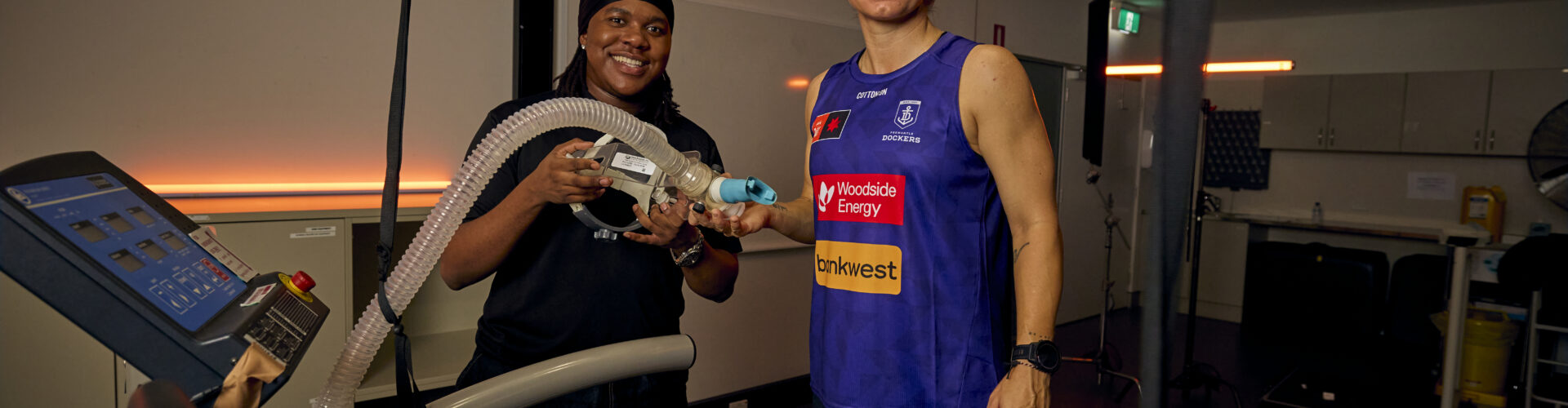
More than 150 student placements over five years, more than 50 alumni who have worked at the club and more than 25 research projects: Curtin’s partnership with the Fremantle Dockers gives our…
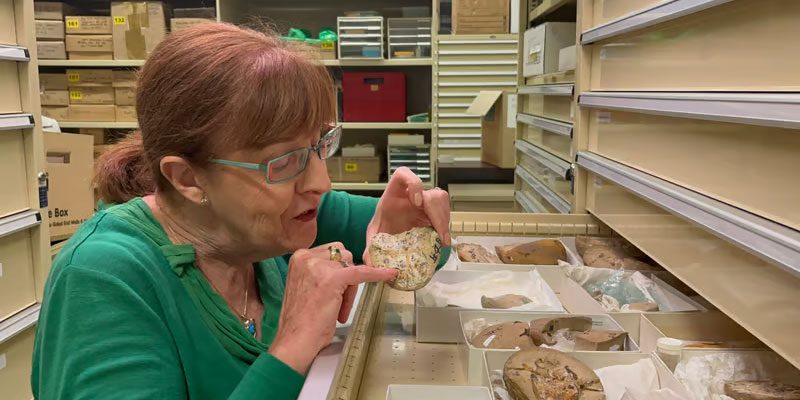
For more than thirty years, Professor Trinajstic from the School of Molecular and Life Sciences has been searching for clues about how vertebrates, including humans, evolved, helping to piece…

Video gaming is no longer a niche hobby confined to bedroom consoles and stereotypes. Around […]
By Adelinah Razali Meet Associate Professor Htwe Htwe Thein – an international business researcher in […]