Reading time: 4 minutes
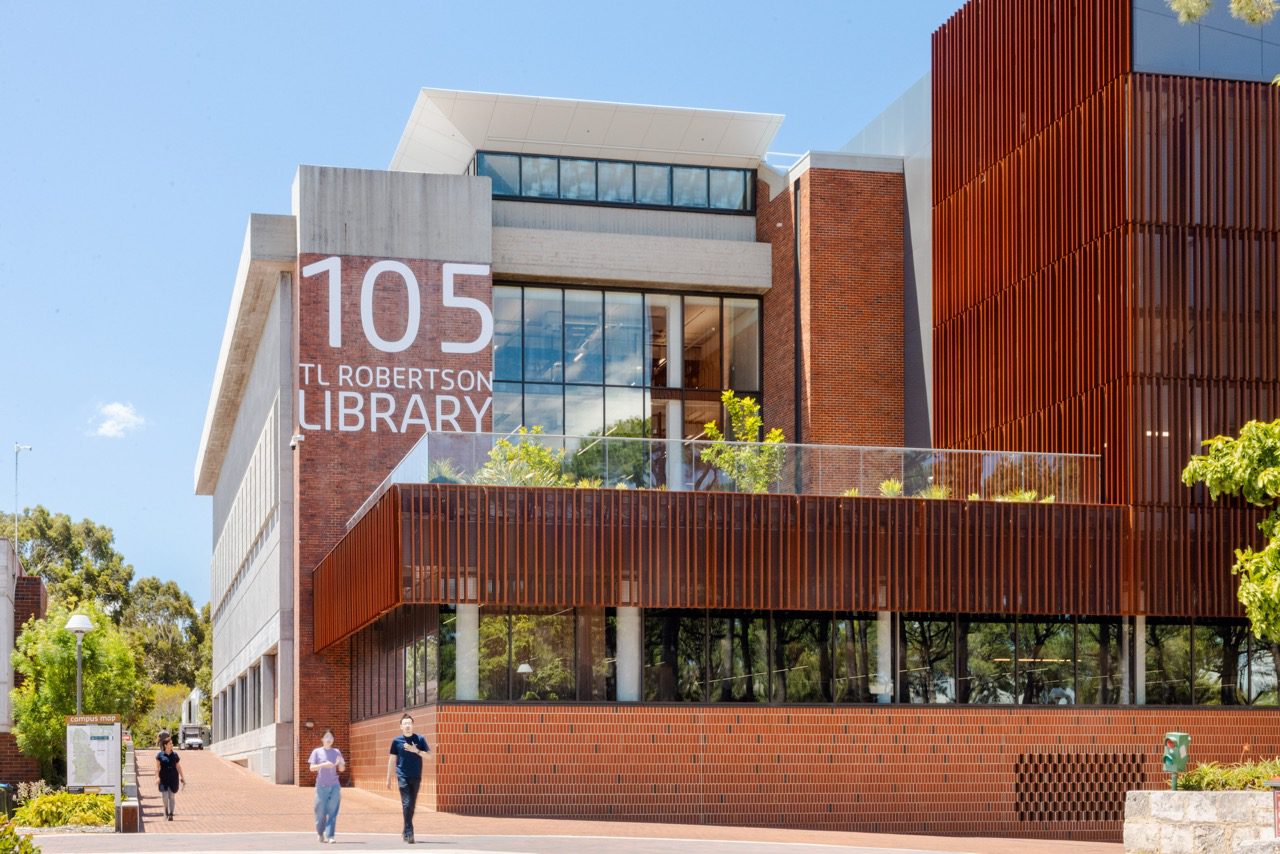
TL Robertson Library is the beating heart of Curtin’s Bentley campus, abuzz with students. But did you know the Library has so much more to offer than just cozy study spots and all-knowing librarians? We’re sharing some helpful resources and opportunities the Library offers so you can make the most of them!
Library Catalogue
If you’re ever trying to find a book, article, journal or video, whether it’s scholarly or non-scholarly, the Library Catalogue is a search tool that allows you to access a broad range of resources. You can filter your search to achieve more accurate results and access items either online or in physical form by borrowing from the Library.
Databases
A key aspect of university is finding sources, whether for assignments or research. The Library makes this easier by providing students with access to databases containing online resources, which you can filter to better fit your needs. Cut down the time spent searching on broad browsers by exploring the Library databases.
Workshops
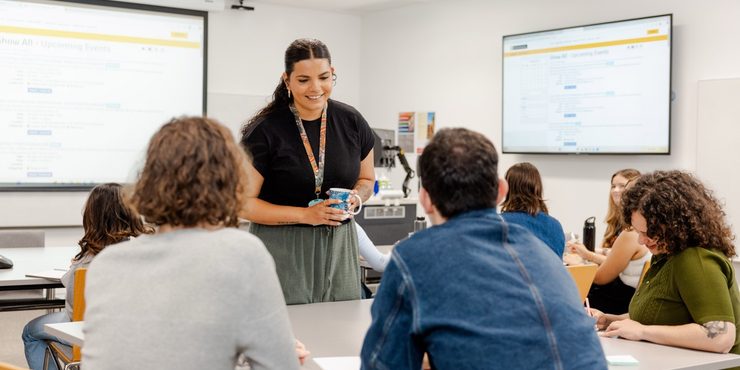
The Library runs free, regular workshops that students can attend either online or in person to develop and improve a range of skills to enhance their university experience. They’re divided into 10 categories:
- Academic skills
- Makerspace and creative skills
- Digital skills
- GenAI
- Numeracy Skills
- Productivity
- “Shut Up and Work” sessions and study skills
- Graduate Research Advanced Skills Program (GRASP) and research skills
- Social sessions
- Study skills
Find out more about Library workshops or view the upcoming Library workshops.
Peer Academic Mentoring
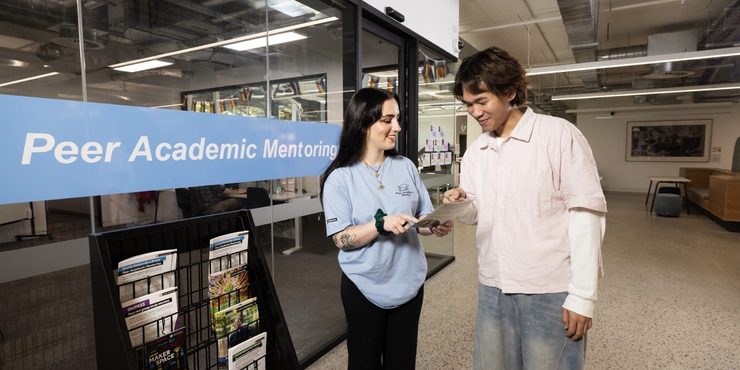
Have some questions about university life? Want some advice for building and learning new study habits? Seeking resources? Book an appointment with a Peer Academic Mentor (PAM). PAMs are experienced students who can provide you with help, insight, and advice regarding studies as a university student. It’s a free service where you can attend one-on-one sessions either online or in-person on Level 2 of the Library. Find out more about Peer Academic Mentoring.
Referencing
One of the key aspects of nailing university assignments is understanding how to reference. Regardless of what level of understanding you’re at, reading and referring to Curtin’s referencing guides will help you create accurate reference lists and in-text citations. The Library, through UniSkills, provides guides and tips for 5 referencing styles so you can ace your assignments! Explore the UniSkills referencing guides.
UniSkills
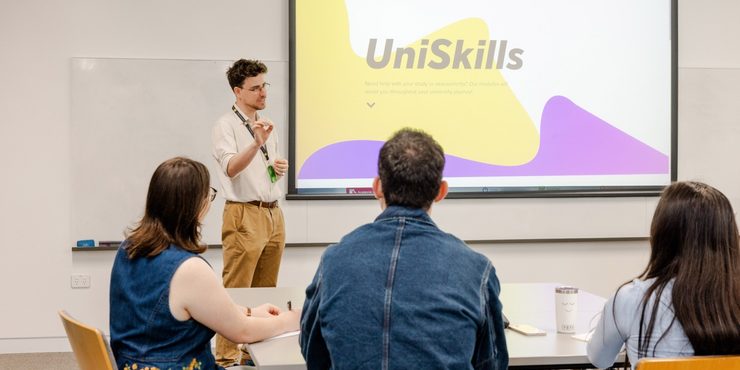
Your one-stop shop for academic skills, study habits, and assignment tips! You can access detailed modules covering a variety of topics, from creating a productive study schedule to learning the fundamentals of numeracy. There’s some great advice here for everyone, regardless of what faculty or year of study you’re in. Explore the UniSkills website.
CURATE
CURATE is Curtin’s institutional repository, managed by the Library. It is an open access digital collection which contains over 80,000 metadata records and includes outputs such as journal articles, conference papers, book chapters, reports, curated exhibitions, artefacts and HDR theses. Whether you’re searching for references or just falling down a research rabbit hole, there are some interesting items to browse in the CURATE repository.
Makerspace
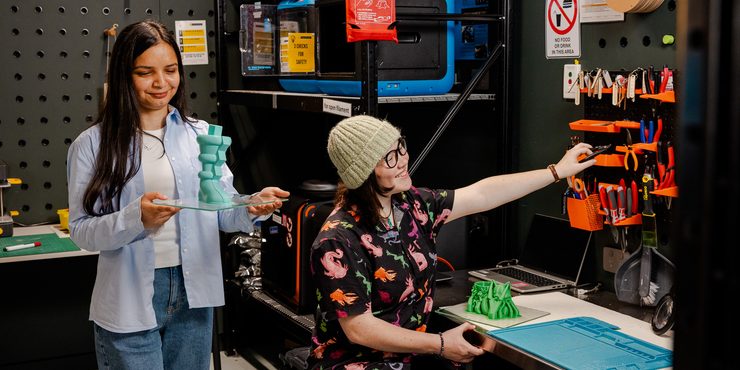
Whether you’re a DIY pro, lover of the arts, or just someone looking for a new hobby, the Library Makerspace is a great place to work on a project, relax, or learn some new skills! Located by the entrance on Level 3, the Makerspace provides students with tools and materials for crafting and creating, ranging from 3D printers to origami. Experienced staff are available for any help or inquiries, so if you’re new, don’t hesitate to get started! Learn more about the Library Makerspace.
Research Toolkit
Ready to level up your research? The Library provides higher degree by research (HDR) students and staff with tools to plan, source, manage and publish research, breaking down the process to make it easier and more manageable. If you’re interested, explore the Library Research Toolkit.
Study Spaces
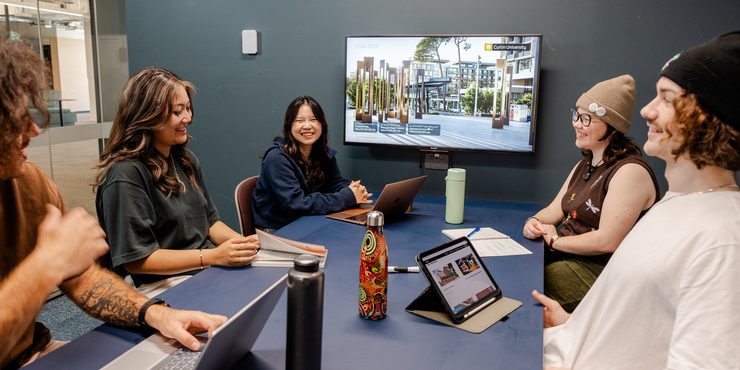
All students are welcome to study in the Library on any floor. However, you’re also able to book private study spaces, whether it’s study pods or rooms, on Levels 2, 4, 5, and 6. They’re the perfect spot for a meeting, study session, or brainstorming session. Each space offers whiteboards and power outlets and are available for up to 2 hours per person, per day. Book a Library study space.
Written by Jaybe Rybicki, Peer Academic Mentor and International Relations & Creative Writing (BA) student