What if your AI companion understood you better than anyone else? Would you plug into a machine that guaranteed happiness? And how far should we go to protect free speech?
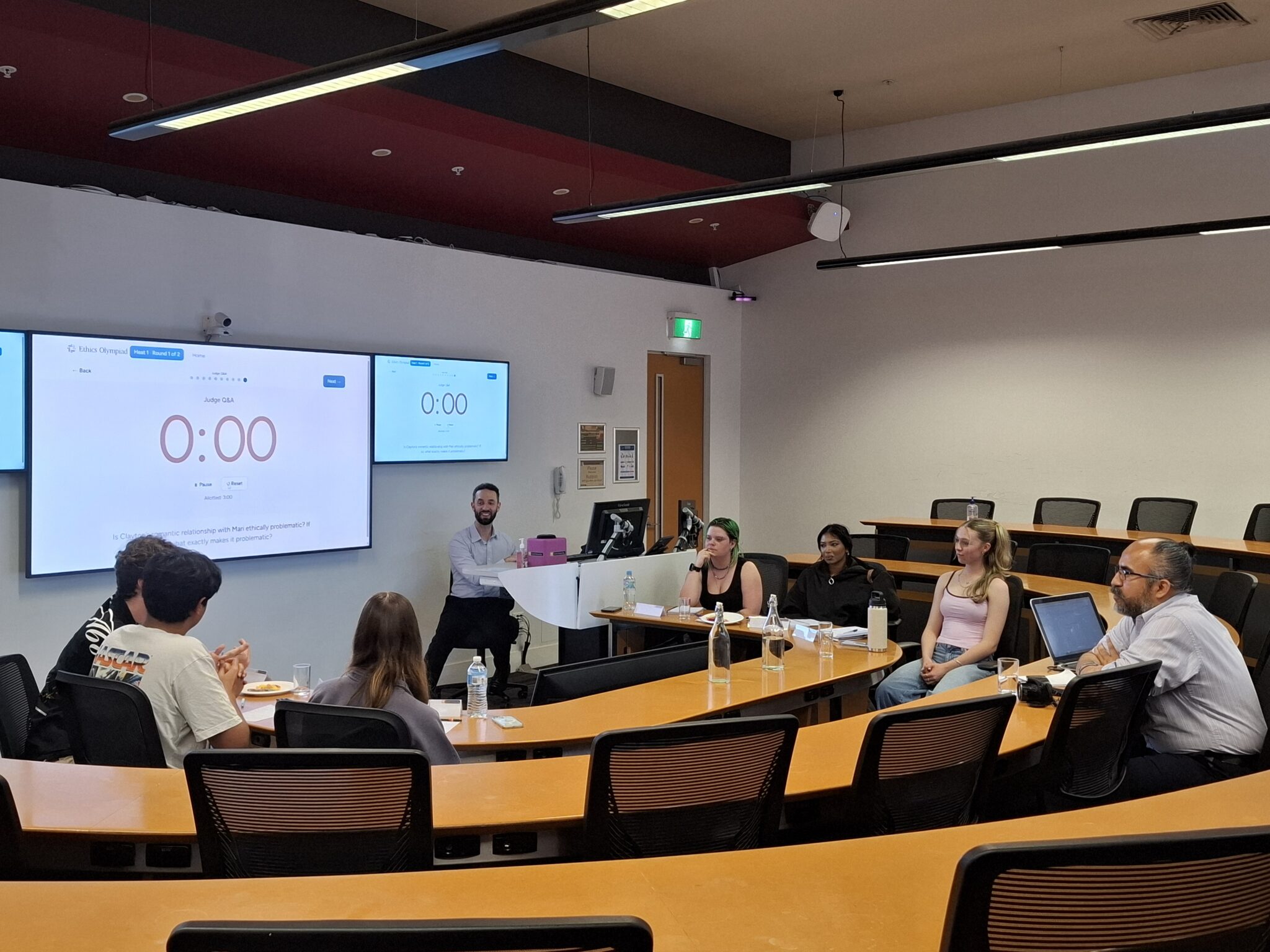
These were just some of the questions Business and Law students explored at the recent Ethical and Critical Thinking Challenge at Curtin’s Perth City Campus on 25 August.
The Challenge forms part of Curtin’s broader Ethics Olympiad Program, where students meet regularly throughout the semester to explore ethical frameworks, analyse real-world case studies and practise discussing complex issues in a supportive environment. Through weekly workshops, participants develop the skills needed to navigate ethical dilemmas, construct well-reasoned arguments and engage respectfully with differing viewpoints before putting those skills into practice in competition settings.
The recent Curtin Ethical and Critical Thinking Challenge brought students together to test their critical thinking, communication and collaboration skills. Working in teams, participants analysed case studies, developed arguments, responded to opposing viewpoints and answered questions from judges in a fast-paced and supportive environment.
The six challenge cases encouraged students to examine some of today’s most difficult ethical questions. Participants debated whether a life of perfect simulated happiness could ever be preferable to reality, whether businesses should sacrifice profits to protect the environment, and whether meaningful romantic relationships with artificial intelligence are possible. Other cases explored antinatalism, euthanasia, and the limits of free speech on university campuses, requiring students to consider complex issues from multiple perspectives while defending positions that did not always align with their personal views.

For Victor, a Bachelor of Commerce student majoring in Finance and Financial Planning, the experience offered a unique opportunity to engage in deeper conversations and challenge his thinking.
“You hear arguments that you never would have thought of before,” he said. “It’s been really valuable because sometimes someone comes up with a great point that completely changes the way you think about an issue.”
One topic that particularly stood out to Victor explored the growing relationship between artificial intelligence and human connection, prompting participants to consider how emerging technologies are reshaping society and personal relationships.
For first-year Advanced Commerce student Kanin, the challenge was an opportunity to strengthen his argumentation and critical thinking skills while meeting new people with similar interests.
“It’s more about understanding another person’s perspective and trying to find a conclusion together,” he said. “We’re all there to improve together.”
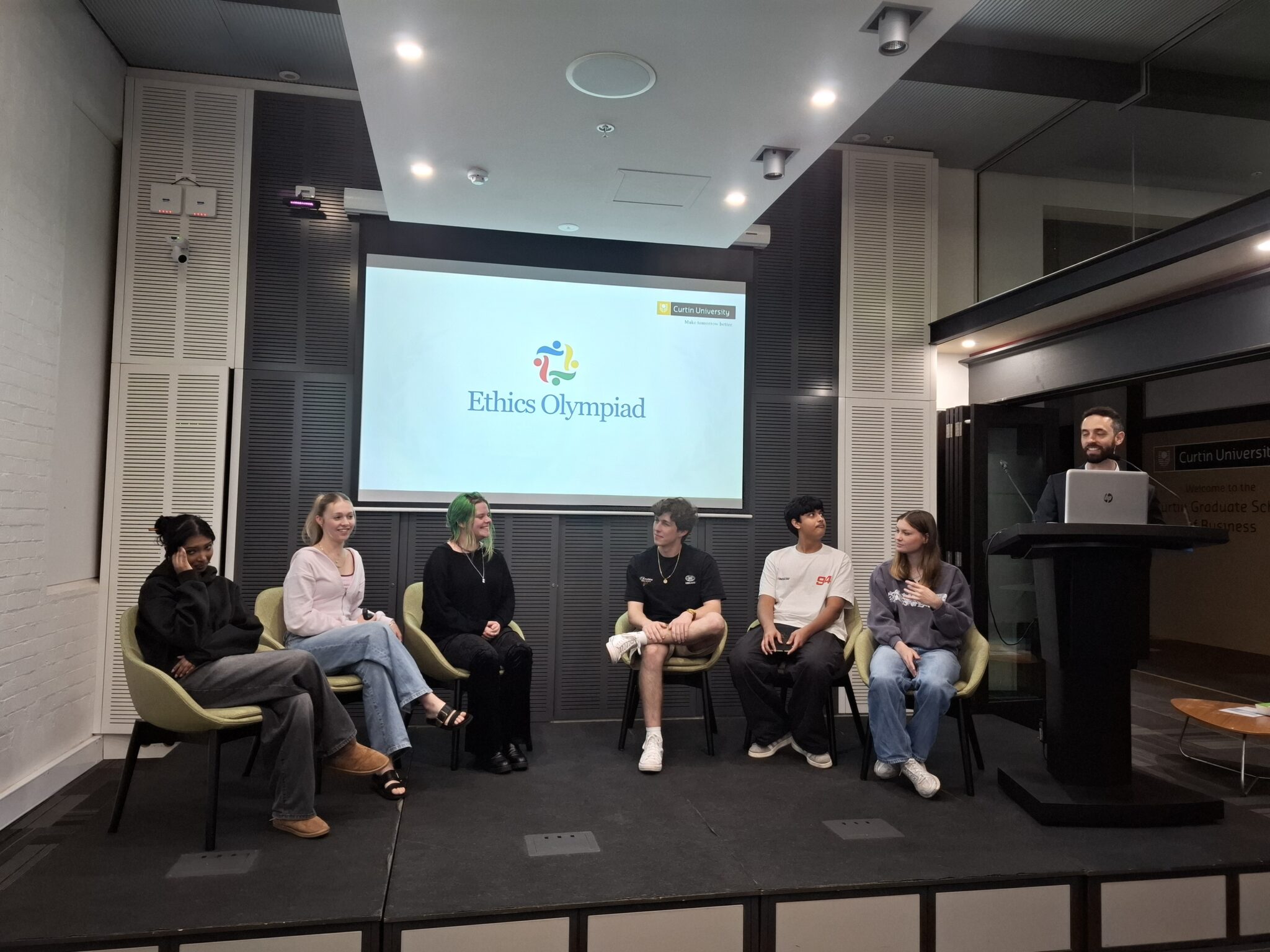
While the Challenge required students to think quickly and respond under pressure, both students agreed some of the biggest lessons came from learning to separate personal beliefs from the arguments being discussed.
Victor said the experience taught him not to become too attached to his own ideas and perspectives.
“You learn new things and see different viewpoints. Even if you come back to your original beliefs, it’s still valuable to understand where other people are coming from.”
Both Victor and Kanin said the program helped them build confidence, strengthen their communication skills and approach complex issues with greater curiosity and openness.
While the recent Challenge marked an important milestone, the journey is far from over. Students are now preparing to represent Curtin at the next stage of competition, where they will compete against teams from universities across Western Australia on 16 September, followed by the National Competition later in October.
Armed with the skills developed through the Ethics Olympiad Program, students will once again tackle complex ethical questions while demonstrating the value of respectful discussion, critical thinking and collaboration.