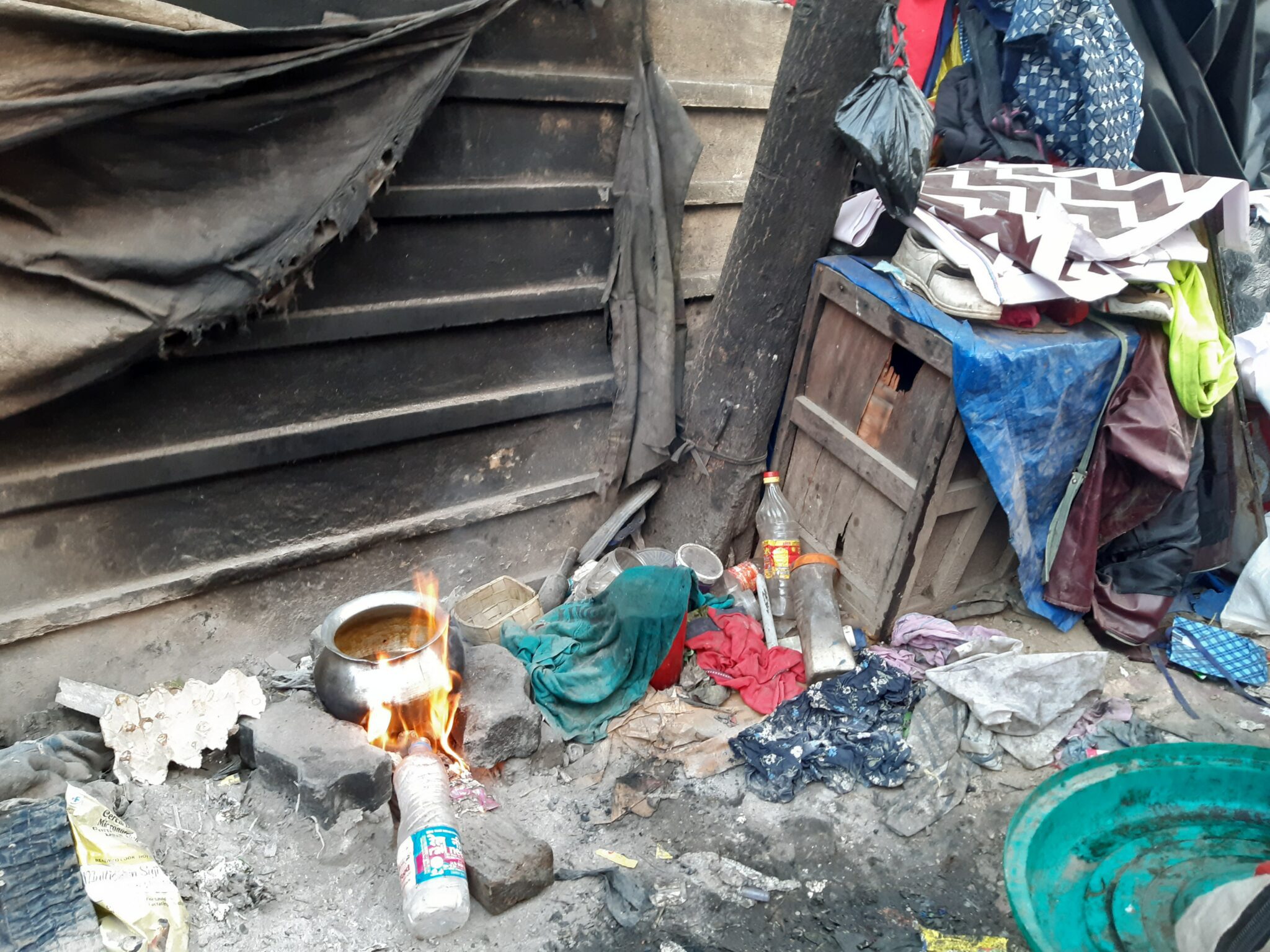
Imagine cooking dinner for your family without a modern stove.
There’s no gas or electricity supplied to your house so you can’t simply switch on a cooktop or light a hob. Bottled gas is expensive and firewood is nearly impossible to find in your city. However, just outside your door, discarded plastic waste is piling up.
With no other fuel sources in reach, this pile of rubbish becomes the only option for building a fire. The smoke smells terrible and makes you cough, but it’s the only way to cook a hot meal for your family and to keep warm.
This is the grim reality for millions of people living in the world’s poorest cities, where fuel poverty and plastic pollution collide.
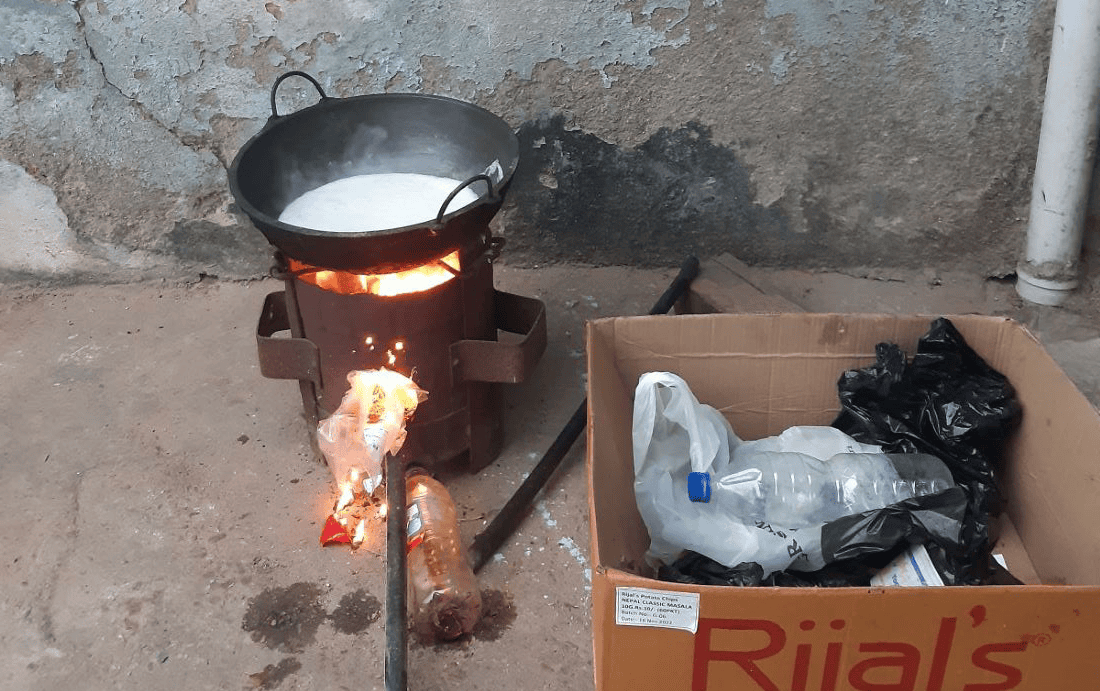
Until now, the practice of burning plastic for fuel had gone largely unreported.
In a world-first study led by Curtin Institute for Energy Transition’s (CIET) Energy and Development Theme Lead, Dr Bishal Bharadwaj, the team are shining a light on this growing issue.
Working with collaborators across more than 26 countries in Africa and Asia, the team surveyed more than 1,000 people who work closely with low-income urban communities, including researchers, government workers and community leaders.
The findings were striking.
One in three respondents said they were aware of households burning waste plastic. Many had watched neighbours do it, and some reported doing it themselves.
And it wasn’t just to get rid of rubbish. People were burning plastic to cook, heat their homes, get fires going, and even keep insects away.
Dr Bharadwaj said the survey provides some of the first broad insights into a practice that has remained largely hidden.
“It’s an issue that has been happening out of sight in marginalised communities, making it difficult to get accurate data on.”
“Our findings suggest that the practice is far more widespread than anyone realised, and despite the severe risks to health and the environment, it has unfortunately escaped meaningful global attention.”
“We found evidence of people burning everything – from plastic bags and wrappers to bottles and packaging – just to meet basic household needs such as heating and managing waste.”
Plastic waste is abundant and burns easily, even when wet. For households that can’t afford to buy fuel or spend hours searching for scarce options such as wood or charcoal, burning plastic can seem like the most practical option.
But it swaps one problem for a far more dangerous one.
The team found that plastic was being burnt in three-stone fires, charcoal stoves and makeshift burners, filling homes and crowded neighbourhoods with toxic smoke.
Women, children, older people, and people with disabilities – who tend to spend the most time at home – are the most exposed.
Co-author Professor Hari Vuthaluru from Curtin’s Western Australian School of Mines (WASM) said the health risks are particularly concerning when polyvinyl chloride (PVC) – a common plastic type – is involved.
“When PVC is burned, it releases highly toxic dioxins and furans which are among the most dangerous known pollutants.”
“These compounds persist in the environment, accumulate in the food chain and can cause serious health problems, from cancer and reproductive disorders to immune system damage.”
“Unfortunately, PVC ranks as the third most commonly burned plastic which is extremely alarming.”
Fuel poverty is a global crisis
According to the World Health Organisation (WHO), household air pollution from cooking with polluting fuels is linked to around 3.2 million premature deaths every year.
The World Bank estimates that the lack of clean cooking costs the world around US$2.4 trillion a year.
Burning plastic adds another layer to this already complex issue. As plastic is made from fossil fuels, burning it contributes to the carbon emissions causing climate change.
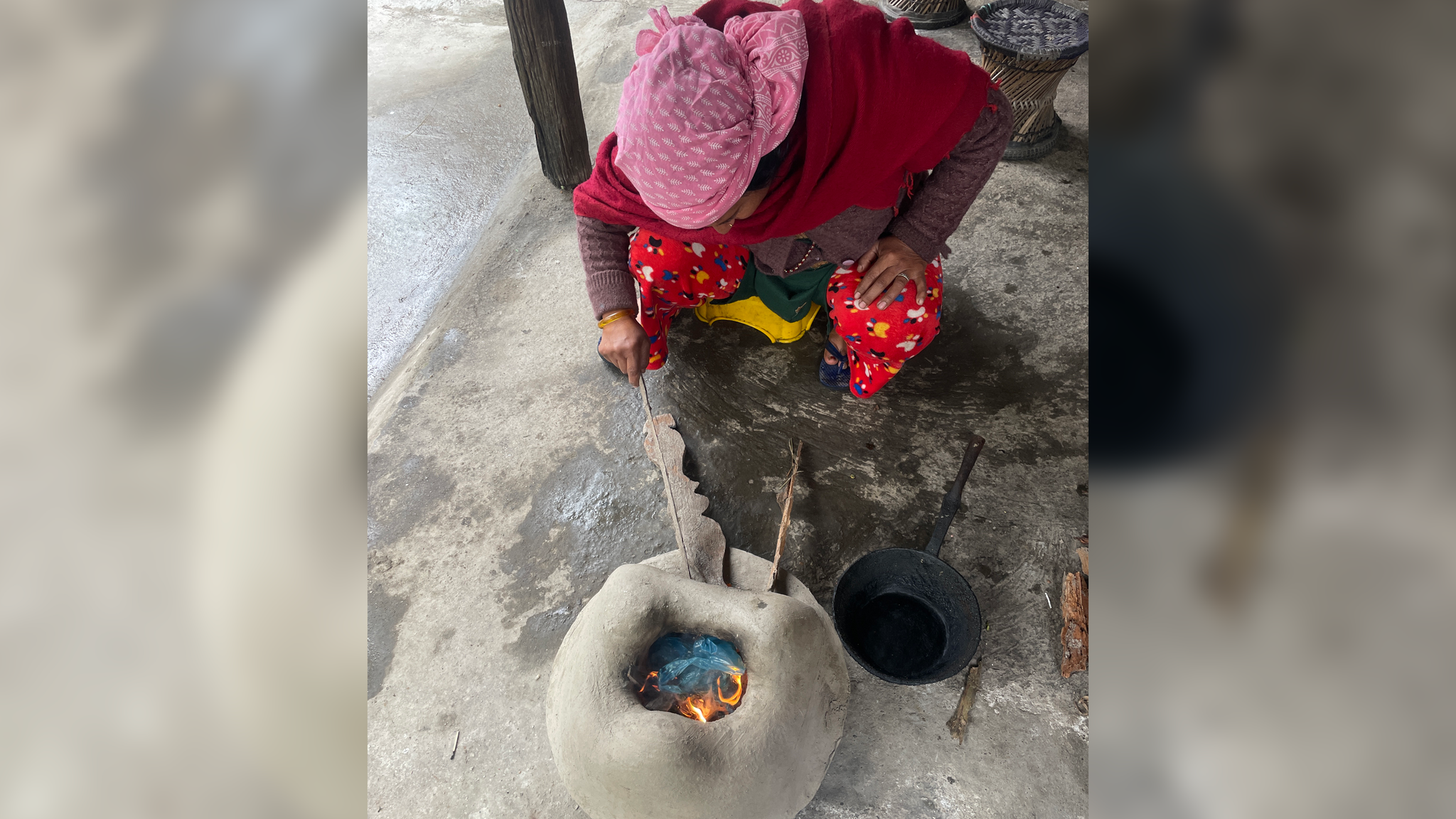
Director of the Curtin Institute for Energy Transition (CIET) and a project collaborator, Professor Peta Ashworth, said people burn plastic as fuel out of necessity.
“They only do this because there is no safer alternative. Extreme energy poverty, unaffordable cleaner fuels and inadequate waste services leave them no other choice.”
“It’s essential that solutions include improving sanitation, supporting access to modern cooking energy and working with communities on practical, culturally relevant options.”
“This research provides the evidence base needed to design interventions that genuinely support the world’s most vulnerable urban residents,” Professor Ashworth said.
A path forward
There is no quick fix. Waste management and energy poverty are interconnected, complicated problems.
With around two thirds of the world’s population predicted to be living in cities by 2050, and global plastic waste projected to nearly triple by 2060, this problem needs urgent attention.
This research gives governments, aid organisations and communities somewhere to start.
Momentum is building. The research received widespread media coverage in seven countries, including the USA, Spain, France, the UK and Venezuela, with coverage in outlets such as The Guardian and The Conversation. Non-profits in India have also contacted the research team after recognising the practice in their communities, seeking to better understand the issue and explore potential solutions.
Additionally, in 2026, the Department of Environment, Food & Rural Affairs for the UK Government cited this research in policy documentation on the risk profile of burning plastics in locations lacking formal waste management systems, flagging the chemicals released as persistent organic pollutants.
Change takes time, but these early connections are a first step towards bringing the dangers of this hidden practice into focus.
– – –
Written by Elena Perse
The full paper, ‘Prevalence of plastic waste as a household fuel in low-income communities of the Global South’, is published in Nature Communications (DOI: 10.1038/s41467-025-67512-y).
This piece was featured in Impact Focus – a quarterly newsletter bringing you the latest in Curtin research. Sign up here to get it delivered straight to your inbox!