A green iguana, the world’s smallest otter species and an invasive freshwater jellyfish were among the unexpected discoveries from Curtin University’s BioBlitz at its Perth, Singapore and Malaysia campuses recently.
More than 100 students and staff across the three campuses took part in the 2026 BioBlitz, racing to identify as many species as possible by testing air, water and surface samples for environmental DNA (eDNA) shed by organisms.
Across the three campuses, the samples identified 572 unique species from the detection of 26,572 distinct DNA sequences.
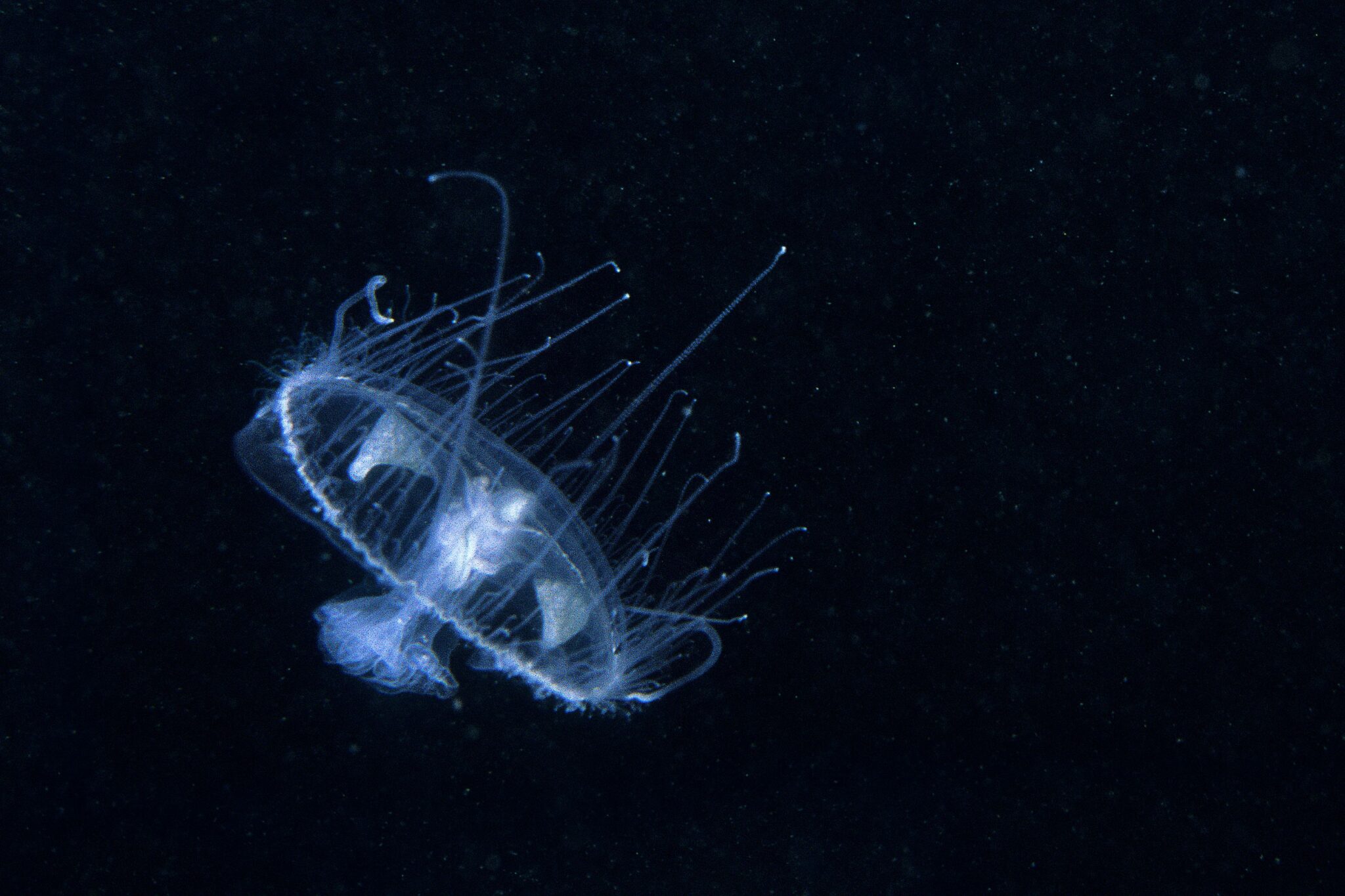
These included an invasive freshwater jellyfish in a Perth koi pond and, in Singapore, a lesser short-nosed fruit bat, common tree shrew, Asian glossy starling, pied imperial-pigeon and invasive red-eared slider turtles.
The plantain squirrel was the most frequently detected mammal in Singapore, appearing in 13 of 15 campus samples, while the detection of Asian small-clawed otter eDNA in a campus pond was among the survey’s more surprising findings.
In Malaysia, a water sample detected an invasive common green iguana believed to be an escaped or released pet as the species is not native to the country.
Data science lead Dr Samuel Thompson, from Curtin’s School of Molecular and Life Sciences, said turning more than 26,000 DNA sequences into a reliable species list required careful bioinformatic analysis and cross-checking against global reference databases.
“Every sample gives us thousands of tiny genetic fragments, and the challenge is sorting the true signals from the noise so we can say with confidence what’s living on our campuses,” Dr Thompson said.
“We’ve made the results publicly available through the eDNA Viewer, so students, staff and the wider community can explore what was found on each campus and see how biodiversity compares across Perth, Singapore and Malaysia over the years.”
BioBlitz lead and eDNA expert Professor Paul Nevill, also from Curtin’s School of Molecular and Life Sciences, said the findings would establish a baseline for tracking biodiversity changes, guide conservation across Curtin’s campuses and give students practical experience for future green careers.
“The initiative is building a clearer picture of biodiversity across Curtin’s global campuses while giving participants hands-on experience with a rapidly growing technology used in conservation, environmental impact assessment, urban planning, agriculture and corporate sustainability reporting,” Professor Nevill said.
Conservation Council of WA’s Citizen Science Lead, Dr Elizabeth Brunton, said: “Curtin University’s Bioblitz initiative is a fantastic example of the important role that communities can play in documenting and understanding biodiversity. Public participation in environmental monitoring generates valuable biodiversity evidence, empowering communities with the knowledge and voice to advocate for biodiversity conservation.”
Curtin plans to expand the BioBlitz to all six global campuses in the future.