Can you share your creative process?
There’s always a rhythm to each body of work I try to produce.
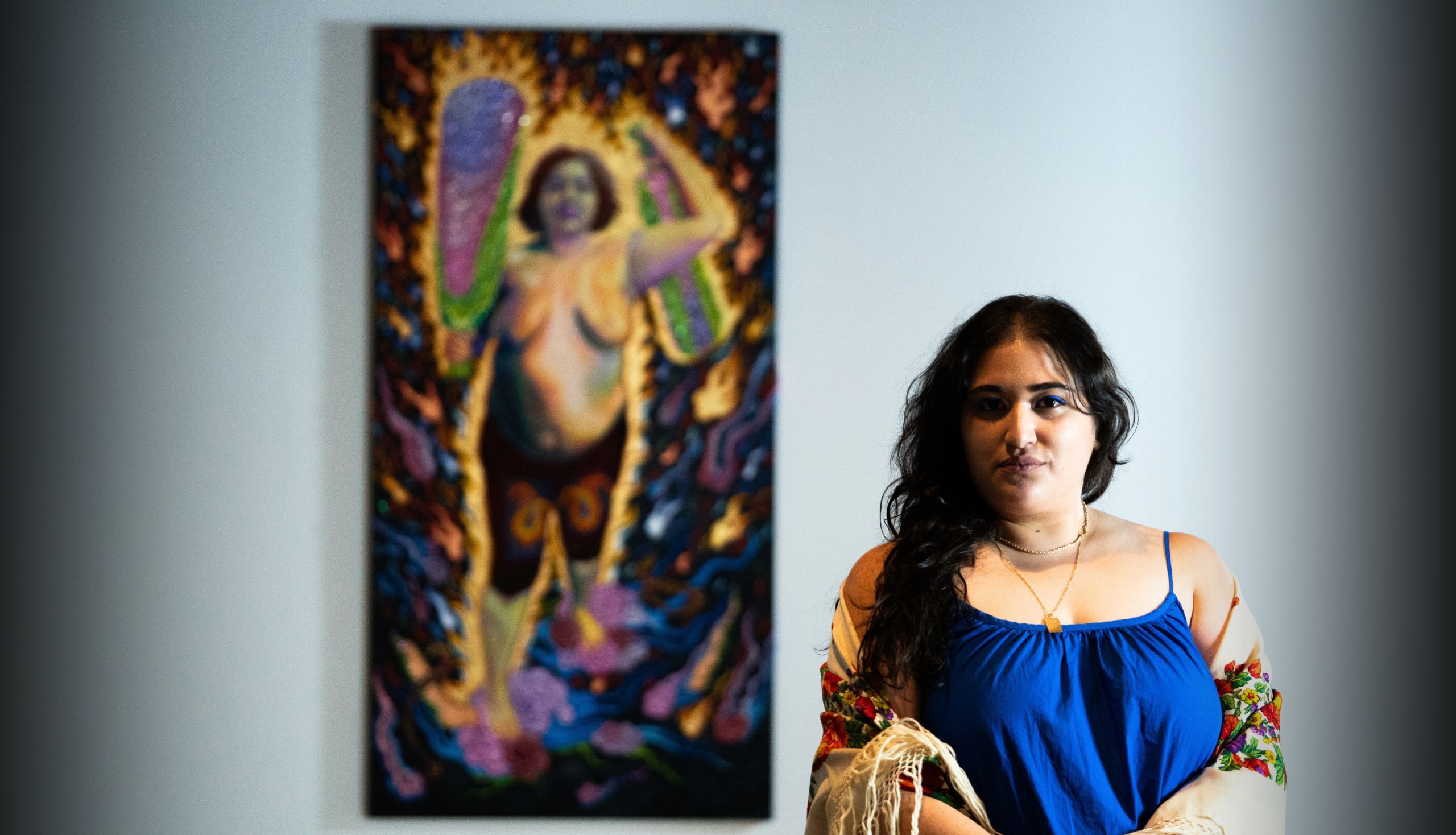
Firstly, I will look at other artists, visit galleries and pick places that I want to explore. Right now, I’m here in Berlin researching the place and trying to explore the little stories within.
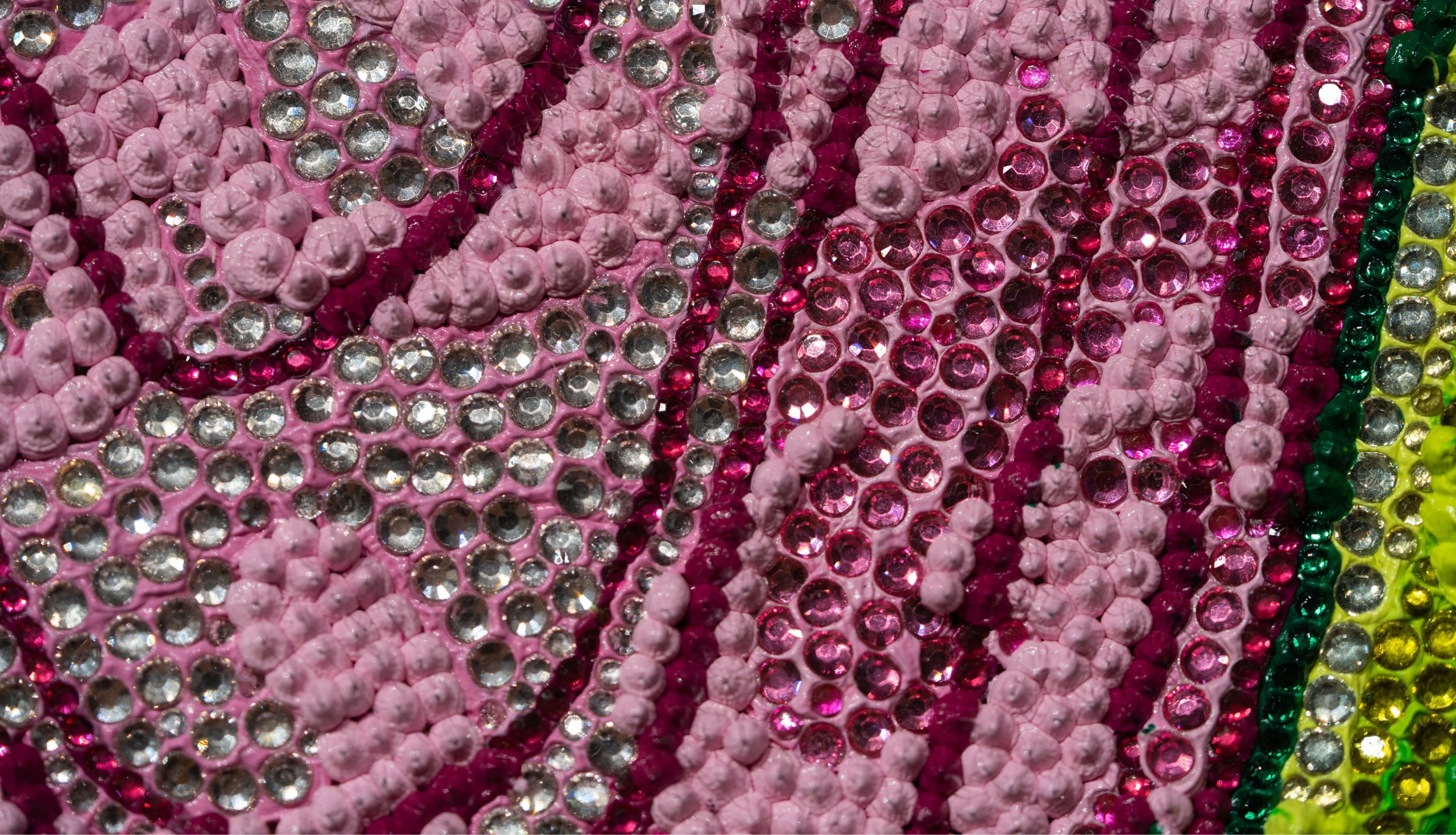
Currently, I’m also exploring the local artists and materials they are using, which I will start experimenting with for my own work.
Then, I will play with some ideas and create some rough sketches before preparing all my bases, doing some practice runs and then getting started!
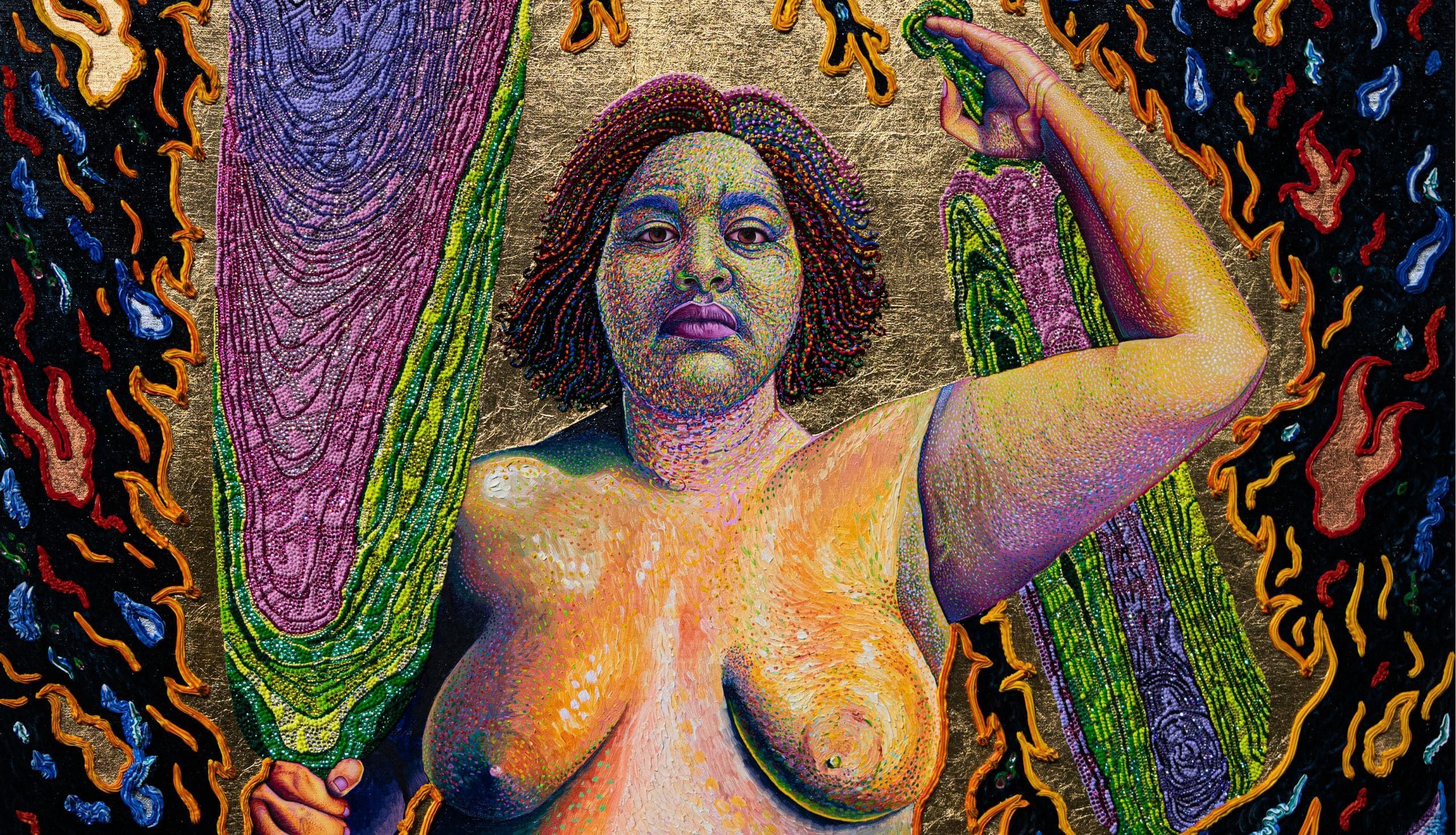
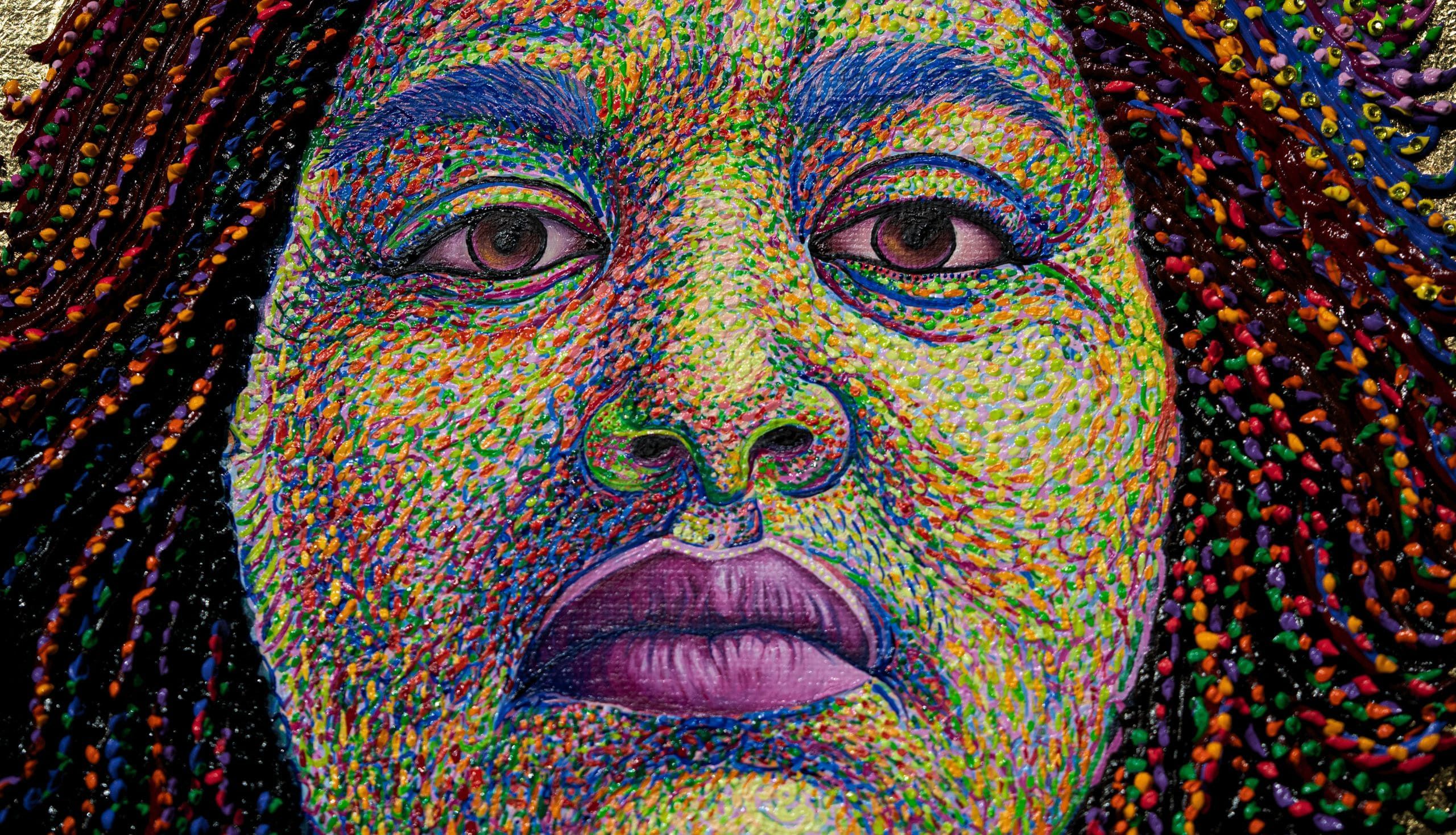
One of your favourite artworks is a portrait of respected Noongar Yinjibarndi Elder, Dr Noel Nannup. Why did you decide to create a portrait of Noel?
This portrait is very special because it honours someone who has profoundly shaped both my practice and the way I move through the world.
As a First Nations Elder, Pop Noel has so much life experience and knowledge. He has taught me not only how to look at Country, but how to truly listen to it.
Painting Noel was a deeply humbling and spiritual experience.
For me, this was more than just a painting but a chance to honour his legacy and the generosity with which he shares his knowledge.
Through spending time with Noel, I have come to understand that the land is always speaking, and that learning begins when we take the time to listen.
Can you share a bit about your current art residency in Berlin?
Berlin is such an incredible place, full of artistic history.
This residency came about through a connection I made at the Florence Academy.
While focusing on my solo show, this trip was a chance to make art, revitalise my life and just enjoy the process. I’ve also been experimenting with concrete as a medium, which has been super exciting!
What’s one of the biggest lessons you’ve learnt through your art?
I’ve realised how powerful creating is for our brains.
I feel like art can put you in this meditative state where you can just feel what you’re feeling and know that everything is going to be okay.
Art has also taught me to slow down, follow the process, and trust that good things will come.
It’s such a special thing to be vulnerable, for people to see it, and then also feel it.
What advice would you give to aspiring artists?
Firstly, I would recommend getting a day job so that you can be an artist without the financial burden.
I believe that it’s important to be authentic and live by your values. Growing up with a single mum on government income, I thought it wasn’t possible to be a full-time artist.
But I was determined to make this a reality, so I became a tattooist, a barista and pursued an education degree, which gave me the financial security to start making art. There’s no wrong way to pursue art; just do what works best for you!
Secondly, start your day with a routine. You can start small, like sharpening your pencils before a painting or doing a five-minute sketch each day, because in the long run these small things really do become so valuable.
Finally, you must understand that you can’t create art to satisfy everyone else; it must come from within. The more honestly you create, the more your work will connect with others.