The scale of climate change impacts across the world has stimulated policy and action to reduce greenhouse gas emissions. The energy sector alone is responsible for around 75% of global greenhouse gas emissions, with electricity generation being a large contributor to the sector total. The move towards net zero carbon emissions must therefore ensure the move away from a reliance on fossil fuels towards renewable energy sources involving low or zero greenhouse gas emissions.
In Australia, the principal renewable energy types include solar power, wind, biomass and hydro, along with more recent developments surrounding the prospects of hydrogen. This online program organised by the Curtin Institute for Energy Transition focuses upon the growth of renewable energy and the associated economic, social and political considerations arising from that growth.
This program involves four synchronous sessions, each of two hours’ duration, to be delivered by Curtin experts via Teams and supported by literature and audio-visual resources.
The program begins with a non-technical summary of contemporary climate change science and the projected impacts of climate change. The potential contribution from the energy sector towards reducing greenhouse gas emissions will be highlighted, along with examination of the various types of renewable energy that can contribute to this with on an Australian perspective.
We will then examine the potential contributions of the various forms of renewable energy generation and the current enablers and barriers to achieving that potential. Solutions for firming renewable energy including batteries and thermal storage will be outlined.
The program will conclude with considerations of what is required to accelerate the transition to a renewable energy supply in Australia.
About the facilitators
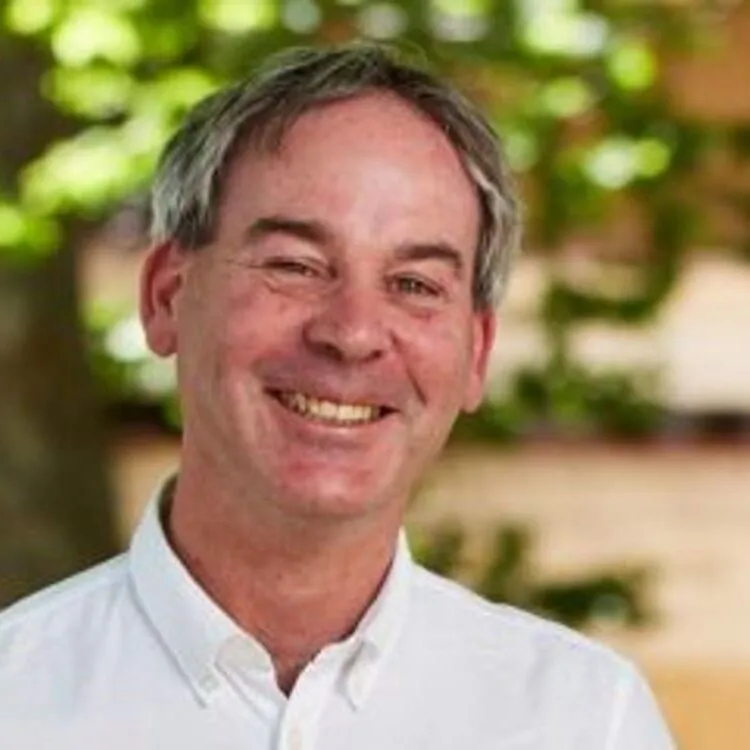
Dr Julian Clifton
Dr Julian Clifton is a geographer with twenty years of experience in academic research and teaching in Australia, south-east Asia and the UK. His extensive research into governance, policy-making and stakeholder management in development and resource management from across the world has resulted in over 60 articles being published in leading academic journals. This reflects a wide range of collaborations with federal and state governments, public sector bodies and non-profit organisations to deliver good business practices based on positive stakeholder relations. Julian is Senior Research Fellow at the Curtin Institute for Energy Transition and is working with domestic and international organisations to promote a just transition to low carbon and renewable energy.