Planetary exploration has the potential to drive scientific, technological and commercial innovation — and Curtin has been at the frontier of space and planetary sciences for the past 50 years.
We are the home of two large space research centres – the Space Science and Technology Centre (SSTC) and the Curtin Institute of Radio Astronomy (CIRA) – and collaborate with some of the biggest names in space research, including NASA and JAXA.
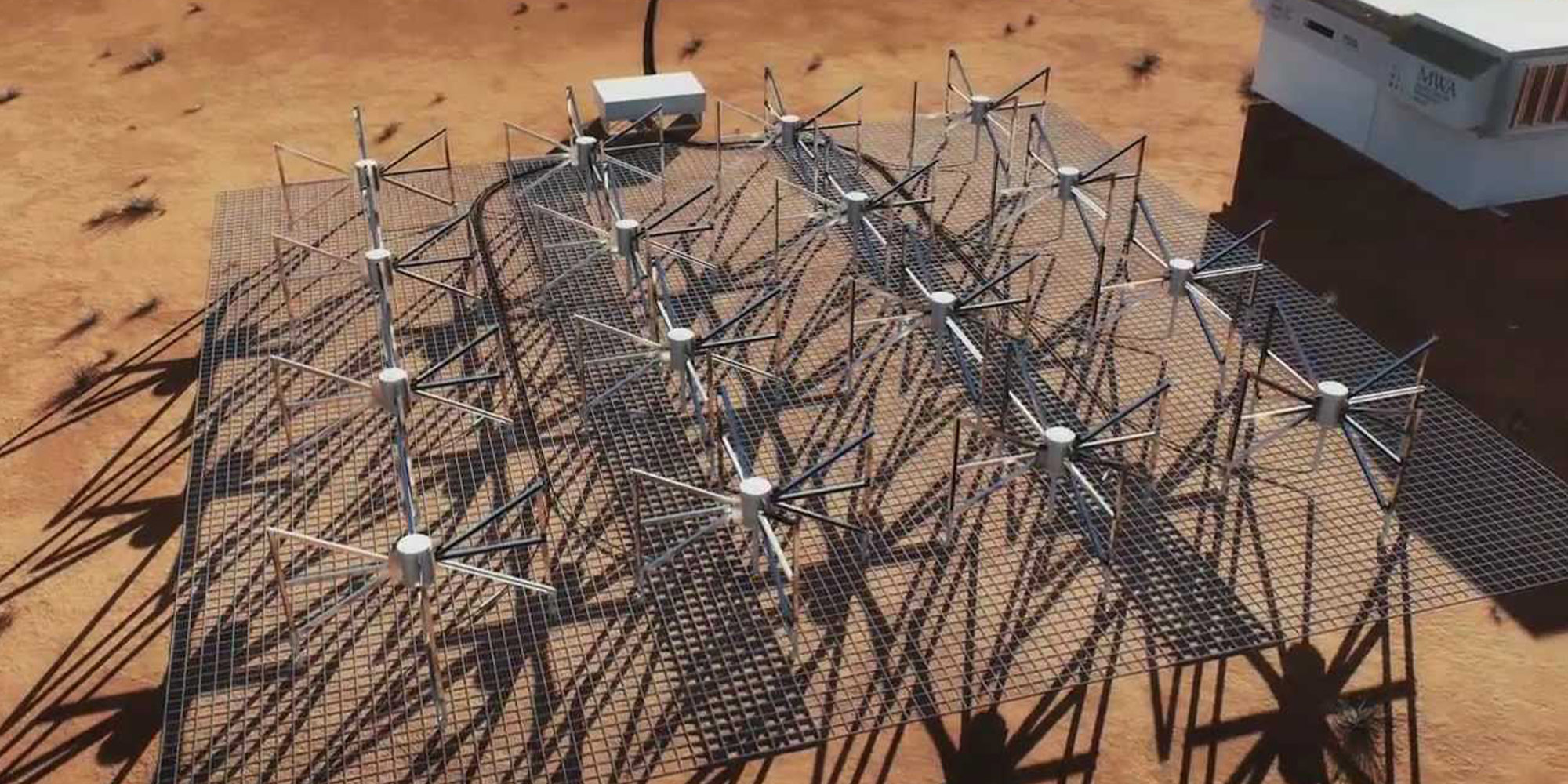
We’re also leading the Murchison Widefield Array (MWA) project – a low-frequency radio telescope in remote Western Australia, which is a precursor to the SKA – the world’s largest radio telescope.
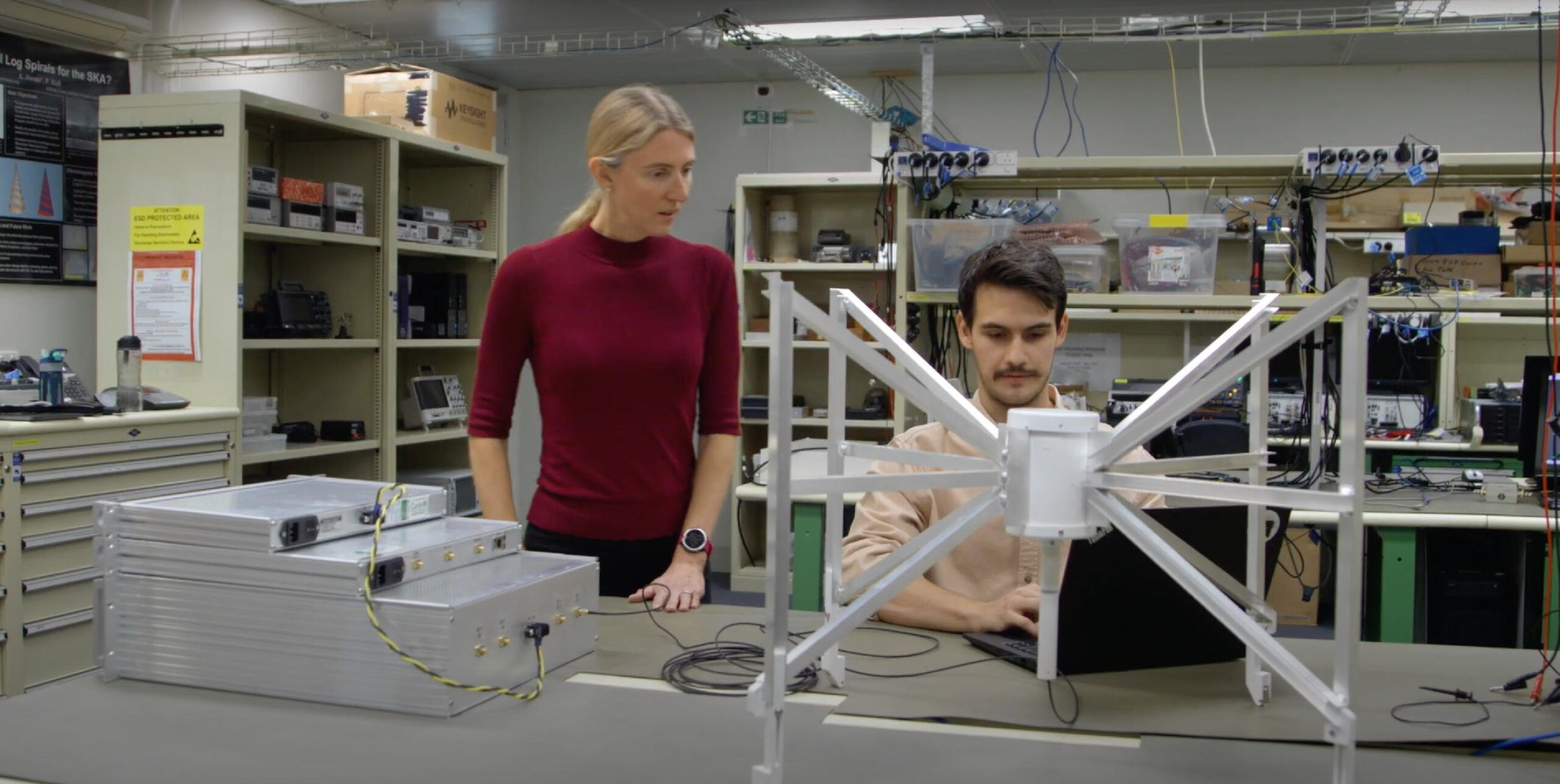
CIRA, the Curtin Institute of Radio Astronomy
The Curtin Institute of Radio Astronomy (CIRA) is Curtin’s link with the International Centre for Radio Astronomy Research (ICRAR). We are proud to have helped bring the Square Kilometre Array to Australia and we look forward to working with our partners to make the telescope a reality.
Our strengths
Earth and planetary science
Spanning a range disciplines, our planetary science teams are delving into the past, present and future of our planet and solar system. Curtin’s Earth Dynamics Research Group is focusing on the distribution, evolution and processes of Earth’s tectonic plates and their relevance to Earth resources and environments.
The Western Australian Geodesy Group is using advanced instrumentation and computer software to develop high-resolution gravity field models of the Moon and Mars, making them freely available for science and education.
Curtin’s Global Navigation Satellite Systems Research Centre is developing theory, models, methods and algorithms that will enable the next generation of Global Navigation Satellite Systems to meet tomorrow’s geospatial information needs in the Earth, atmospheric and space sciences.
Learn more:
Innovative technologies
Our Binar Space Program, named after the Nyungar word for ‘shooting star’, launched Western Australia’s very first satellites into space. These highly advanced small spacecraft are engineered and operated by Curtin staff and students, and the program collaborates with schools, industry, and science partners (including AVI, QL Space, CSIRO, and German Aerospace Centre DLR) to develop and deploy payloads for real-world missions.
Part of the Australian Remote Operations for Space and Earth (AROSE) consortium, our planetary scientists are collaborating to develop technology that enables remote operations, from controlling vehicles on mine sites to managing life support equipment on Mars.
Adjacent to the Curtin Perth campus, the Pawsey Supercomputing Centre at Technology Park offers a range data visualisation, simulation and supercomputing capabilities to develop, model and implement solutions to future challenges in the space industry.
Learn more:
Radio astronomy
The Curtin Institute of Radio Astronomy is developing, maintaining and operating the Murchison Widefield Array (MWA) — a ground breaking low-frequency radio telescope. The MWA has been used to shed new light on the evolution of Earth’s ionosphere and identify more than 300,000 new radio galaxies.
The Square Kilometre Array (SKA) project aims to build the world’s largest radio telescope, with a collecting area of up to a million square metres. Curtin is partnering with CSIRO and The University of Western Australia to construct the array’s Australian-based component.
Learn more:
Space missions
SSTC researchers have science team membership across NASA, JAXA, and ESA, and our engineers have developed deep-space qualified hardware that is currently on the surface of Mars and Titan. Our scientists are some of the lucky few who study samples returned from the Moon and asteroids such as Ryuugu and Bennu, using Curtin’s world-class analytical facilities.
Learn more:
Space situational awareness
Partnering with Lockheed Martin Space Systems on the FireOPAL project, we’re using ground-based sensors to track space debris and satellites in orbit, helping to preserve the space environment over Australia and reduce the risk of collisions.
Our Desert Fireball Network is a network of autonomous digital observatories across Australia that’s tracking meteorites and fireballs and determining their pre-entry orbits and fall positions for recovery. The project is expanding to become the Global Fireball Observatory, with stations in the USA, UK, Canada, Morocco and Saudi Arabia to locate meteorites across an area greater than 20 million square kilometres.
Learn more:

Looking for a researcher?
Where we work
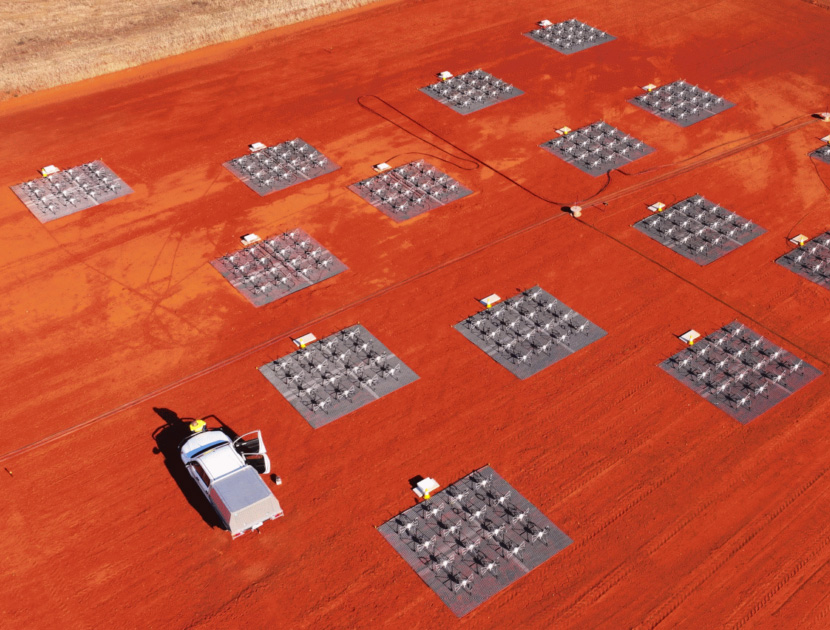
Curtin Institute for Radio Astronomy
As the driving force behind the Murchison Widefield Array, CIRA leads the way in low-frequency radio astronomy from remote Western Australia.
Learn more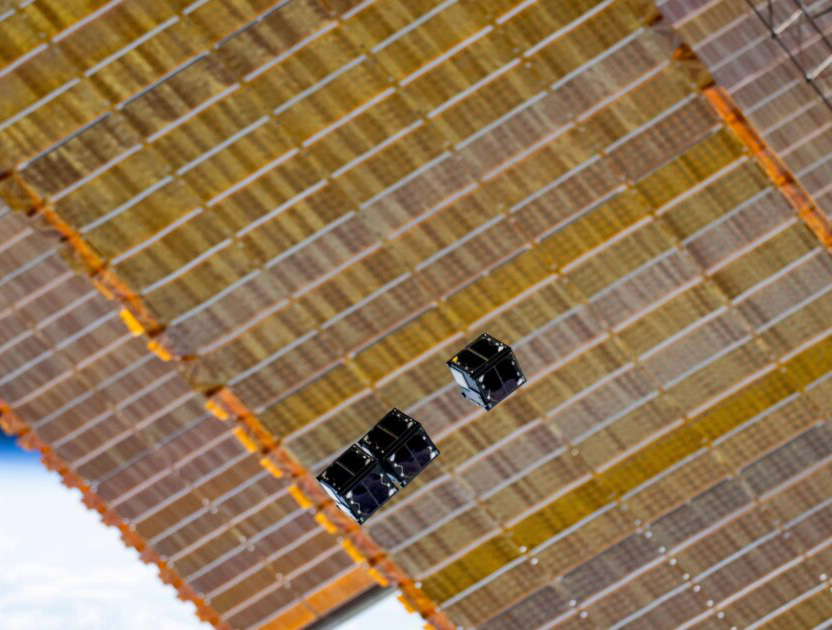
Space Science Technology Centre
We do fundamental and applied space science research to build a strong future in space for Australia with the next generation of planetary explorers.
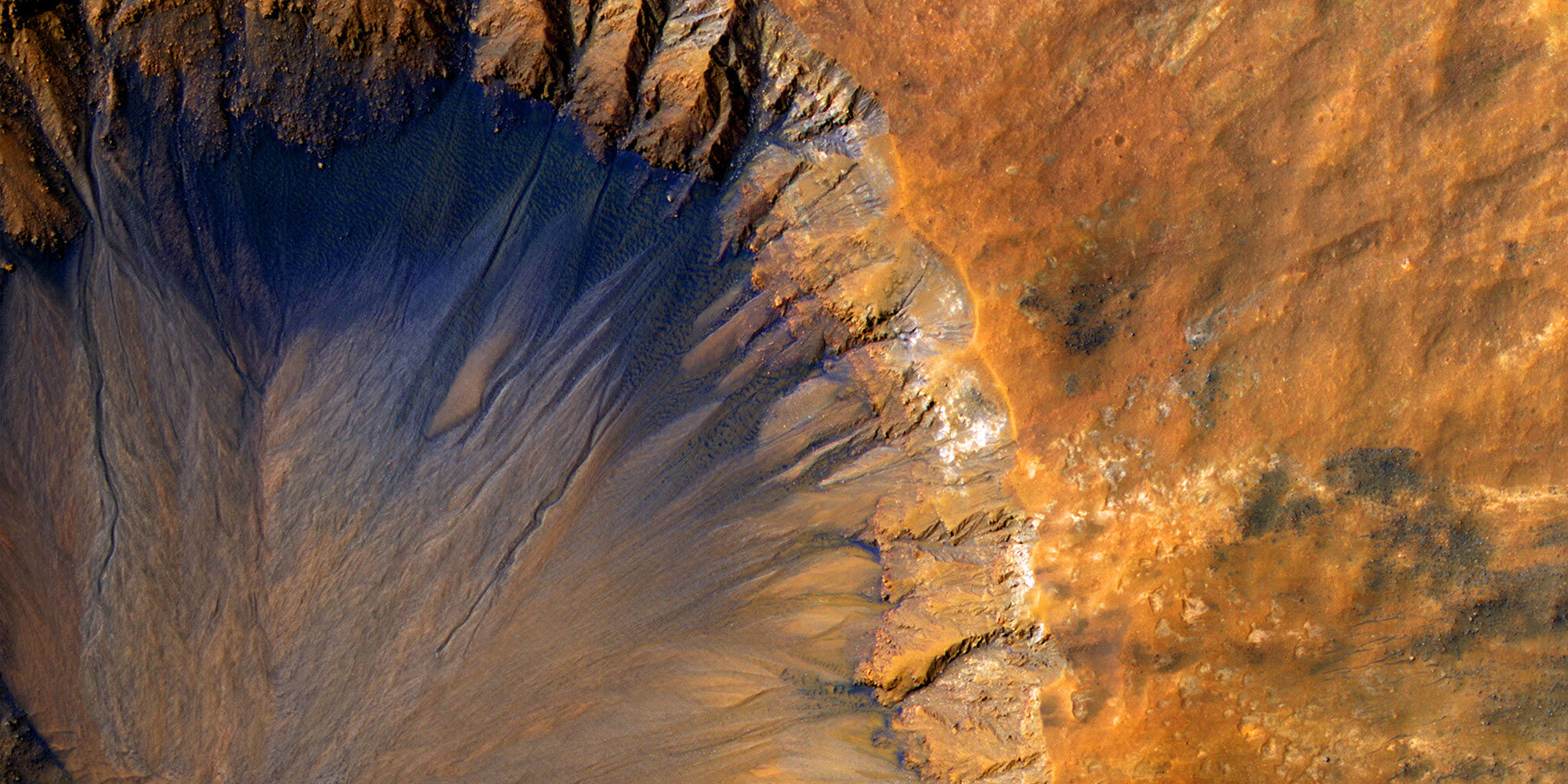
School of Earth and Planetary Sciences
Our planetary science research includes tracking fireballs, meteorite recovery and microanalysis of celestial samples.
Learn morePartner with us
By partnering with Curtin, you’ll gain access to a network of experts and specialised facilities that can help your business become more efficient, sustainable and profitable. There are also opportunities for investment, licensing, mentoring and employment.
Reach out to Curtin’s Research Partnerships Team using the form below.
In the news
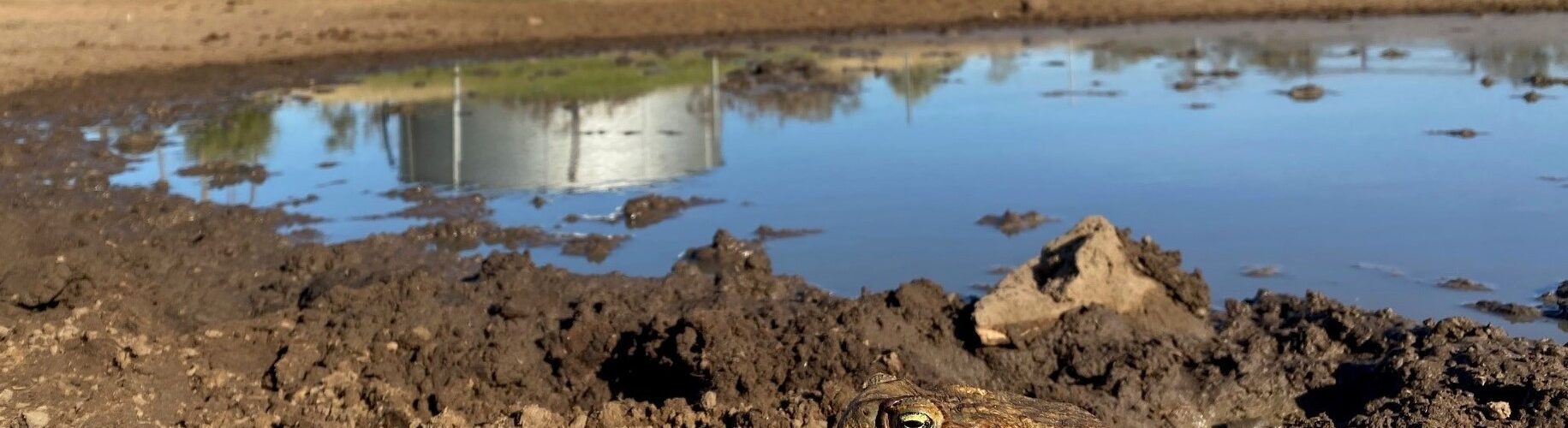
‘Toad-proofing’ farms could help stop the march of invasive pest
Curtin University research has found farmers making small changes to how they give water to cattle in semi-arid regions could…
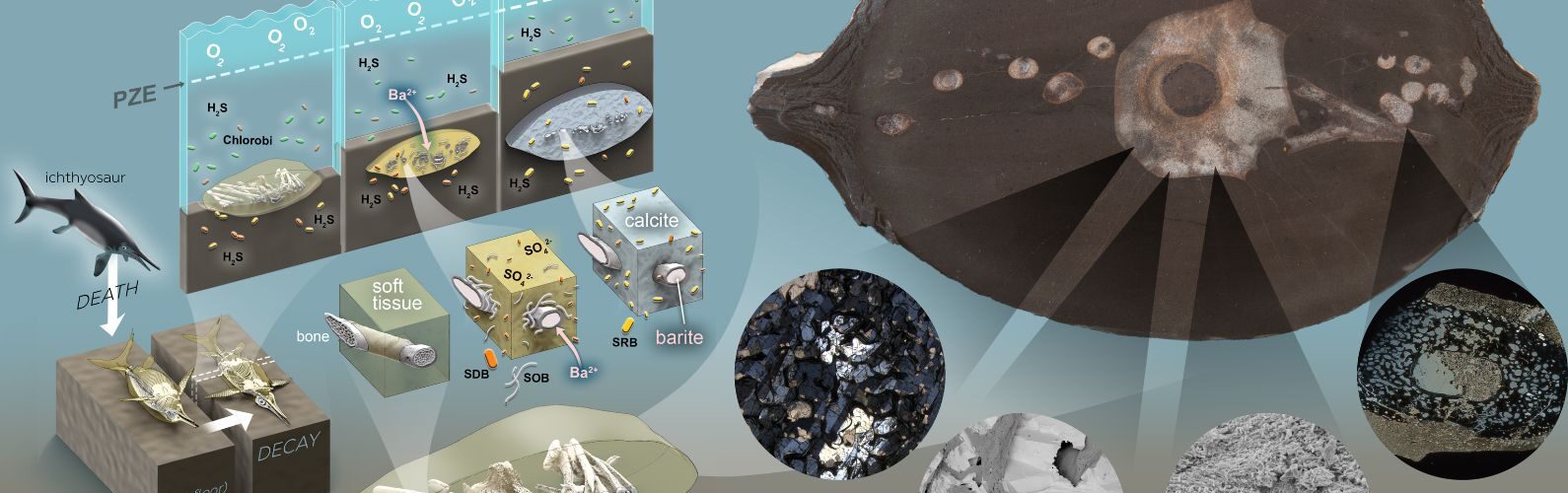
Scientists uncover the secret behind perfectly 3D preserved ‘sea reptile’ fossils
Scientists at Curtin University have solved a long-standing mystery about how some of the world’s best-preserved fossils formed in ancient…

Curtin’s Open Day postponed due to approaching cyclone
Curtin University has made the difficult decision to postpone its Open Day scheduled for this Sunday due to the approaching…
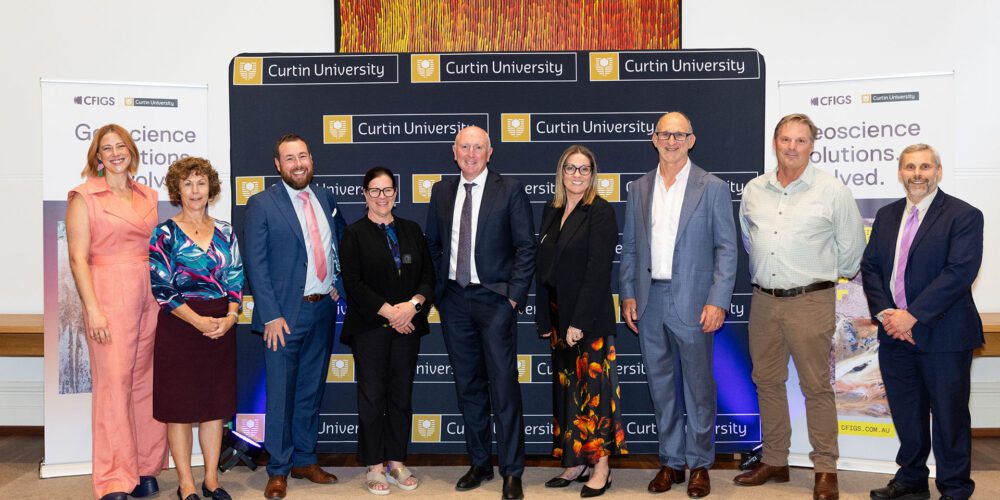
New geoscience hub to play critical role in cleaner minerals future
A new Curtin University institute will connect government and industry with leading geoscience expertise to help transform WA’s economic future in…