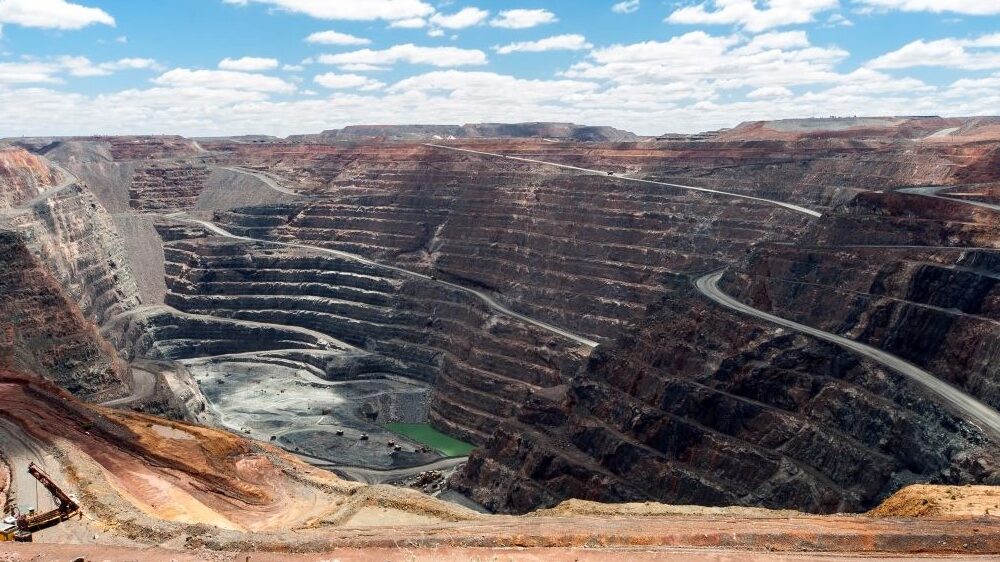
Mine tailings are among the largest industrial waste streams generated worldwide and present significant environmental, economic, and long-term management challenges for the mining industry. Although often treated as waste, tailings can still contain residual metals, reactive mineral phases, and other components with potential value for resource recovery, environmental remediation, and carbon management. As the mining sector faces increasing pressure to adopt more sustainable practices and lower-emission technologies, there is growing interest in new ways to better understand, use, and manage these materials.
Mine tailings also host diverse microbial communities that are adapted to extreme physicochemical conditions, including high metal concentrations, alkalinity, salinity, and nutrient limitation. These microorganisms can influence key biogeochemical processes such as mineral weathering, metal mobilisation, mineral transformation, and environmental stabilisation. Compared with conventional physicochemical treatment or extraction methods, biologically mediated processes may offer more sustainable alternatives by reducing energy demand, chemical use, and overall environmental impact.
Aim
This project aims to improve understanding of the microbial diversity and functional potential associated with mine tailings from Western Australia, and to assess how these microbial processes could support more sustainable mining and environmental applications. It seeks to identify biologically mediated pathways relevant to resource recovery, environmental stabilisation, and carbon sequestration in mining residues. To achieve this, the study will combine tailings characterisation, microbial community analysis, microbial recovery and cultivation, and bioinformatics-based bioprospection to identify metabolic pathways and other functional traits of interest. Overall, the project is intended to provide a scientific foundation for future microbial technologies that could contribute to circular economy initiatives, improved mine waste management, and a reduced environmental footprint for mining activities.
Objectives
- Collect and characterise mine tailings from different mining operations in Western Australia.
- Characterise the microbial communities present in mine tailings using molecular and microbiological approaches, including 16S rRNA gene sequencing and metagenomic analysis.
- Recover and cultivate microorganisms with potential relevance to sustainable mining and environmental applications.
- Conduct bioinformatics-based bioprospection to identify microbial metabolic pathways associated with mineral transformation, metal cycling, environmental stabilisation, and carbon mineralisation processes.
- Evaluate, through laboratory-scale investigations, the most promising microbial application identified during the characterisation and bioprospection phases.
Significance
This project is significant because it addresses the growing environmental and sustainability challenges associated with the long-term management of mine tailings, a major global waste stream and environmental liability. By investigating the biological potential of these materials, the research reframes tailings not only as waste, but also as a possible resource with environmental and economic value.
It also contributes to emerging areas such as geomicrobiology, biohydrometallurgy, and biologically mediated carbon sequestration. A better understanding of how native microbial communities interact with tailings minerals may help identify new strategies for recovering residual valuable elements, improving environmental stability, and reducing the broader environmental footprint of mining operations.
Biologically mediated processes may offer clear advantages over conventional physicochemical approaches, including lower energy requirements, reduced chemical consumption, and potentially lower environmental impact. In that context, this work could support the development of more sustainable technologies for mine waste management, resource utilisation, and environmental stabilisation.
Ideal Candidate
We are seeking a highly motivated HDR candidate with a strong academic background and a genuine interest in environmental microbiology, sustainable mining, and geomicrobiology. The ideal applicant will hold either a Master’s degree or a Bachelor’s degree with first-class or upper second-class honours in biological sciences, microbiology, molecular biology, environmental science, biotechnology, or a related discipline.
Applicants should demonstrate strong written and verbal communication skills, good organisational and time-management abilities, and the capacity to work both independently and collaboratively in a multidisciplinary research environment. Experience in microbiology and molecular biology techniques, including microbial cultivation and molecular characterisation methods, would be advantageous. Eligibility for enrolment in a PhD program at Curtin University is essential.
This project is open to Domestic applicants only.
Scholarship
If you are identified as the preferred candidate for this project, you may be considered for an RTP scholarship.
Enquires and How to Apply
For enquires about this opportunity contact Dr Silvia Salgar Chaparro at Silvia.Salgar@curtin.edu.au
To formally apply submit an Expression of Interest to Dr Silvia Salgar Chaparro during the Central Scholarship round (July 1st – July 31st 2026)