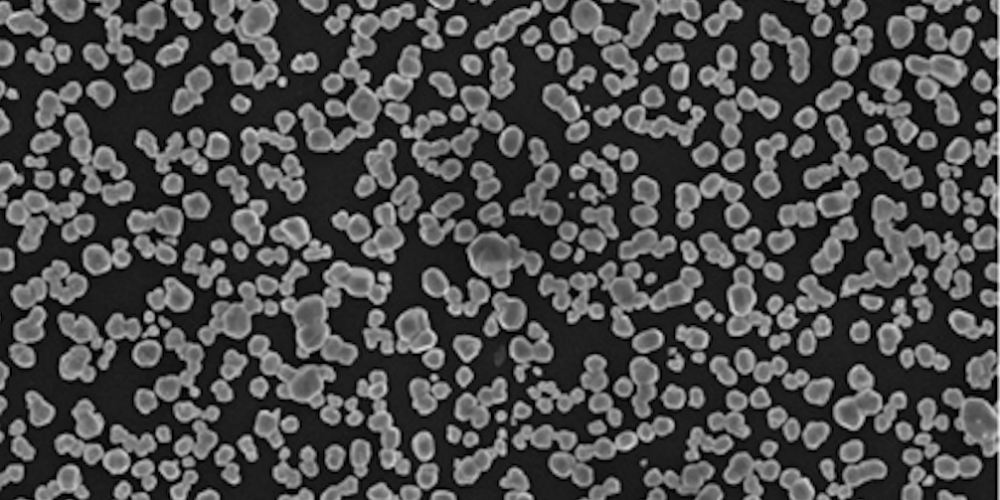
Transition-metal nanomaterials are central to electrocatalysis, electrochemical sensing, and energy conversion and storage devices. They are most often formed through electrodeposition from aqueous solutions, but aqueous electrolytes suffer from narrow potential windows, hydrogen embrittlement and gas evolution, and they cannot deposit many technologically important metals. Room-temperature ionic liquids (RTILs, or ILs for short) are thermally stable, non-flammable molten salts with wide electrochemical windows and tunable interfacial structure, making them an exciting alternative electrolyte for depositing metals and alloys that are inaccessible from water.
In ILs, the way metals nucleate and grow is strongly influenced by the structure of the electrical double layer (EDL), the dense layer of cations, anions, and metal-ion complexes that forms at the electrode surface under applied potential. Small changes to the electrolyte, such as the addition of water, organic co-solvents, secondary ionic liquids, or surfactants, can substantially reshape this interfacial region and therefore the size, morphology, and crystallinity of the resulting deposit. In this PhD project, you will explore how such additives modify the IL-electrode interface, and use this understanding to design cleaner, more controllable deposition routes for functional metal nanomaterials. This project will provide an opportunity to be involved in different fields, including electrochemistry, materials chemistry, and surface science, gaining valuable interdisciplinary experience.
Aim
The primary aim of this project is to investigate how IL additives including water, organic co-solvents, secondary ILs, and surfactant components modify the EDL at the IL-electrode interface, and to use this insight to control the nucleation, growth, and morphology of electrodeposited metal nanomaterials.
Objectives
To achieve these aims, you will:
- Investigate how the cation, anion, hydrophobicity and viscosity of IL electrolytes shape the electrical double layer and the phase and morphology of the resulting electrodepositions.
- Prepare IL-based electrolytes: IL-water mixtures, binary IL mixtures, etc. and study how each additive alters the interfacial structure and the speciation of the metal precursor.
- Electrodeposit Pt, Au, Cu and magnetic metals (Co, Ni, Fe) and their oxides from IL-based electrolytes, comparing the deposition behaviour against neat ILs and aqueous electrolytes.
- Characterize the deposits by advanced materials characterisation techniques including SEM, AFM/STM, XRD, EDS and XPS.
Significance
The project will provide new fundamental insights into how IL additives reshape the electrode-electrolyte interface and the electrochemical formation of advanced functional nanomaterials. Understanding these interfacial processes is important for developing more controllable and sustainable electrodeposition approaches for materials used in catalysis, sensing, and next-generation energy technologies.
You will graduate with a broad skill set across electrochemistry, surface chemistry, nanomaterials synthesis and advanced characterisation, with opportunities to publish in high-impact journals and present at international conferences.
Ideal Candidate
We are looking for a self-motivated PhD candidate with excellent organisation, problem-solving and project management skills. Candidates with strong skills in physical/materials chemistry are desired for this project.
Additionally, the applicants should meet the eligibility criteria for entry into a PhD program at Curtin University.
This project is open to International and Domestic applicants.
Internship
Through this project you will also have an internship opportunity. Local companies such as Vital Trace offer internship opportunities in electrochemical sensing. Others may be identified during the project.
Scholarship
If you are identified as the preferred candidate for this project, you may be considered for an RTP scholarship.
Enquires and How to Apply
For enquires about this opportunity contact Professor Debbie Silvester-Dean at D.Silvester-Dean@curtin.edu.au
To formally apply submit an Expression of Interest to Professor Debbie Silvester-Dean during the Central Scholarship round (July 1st – July 31st 2026)