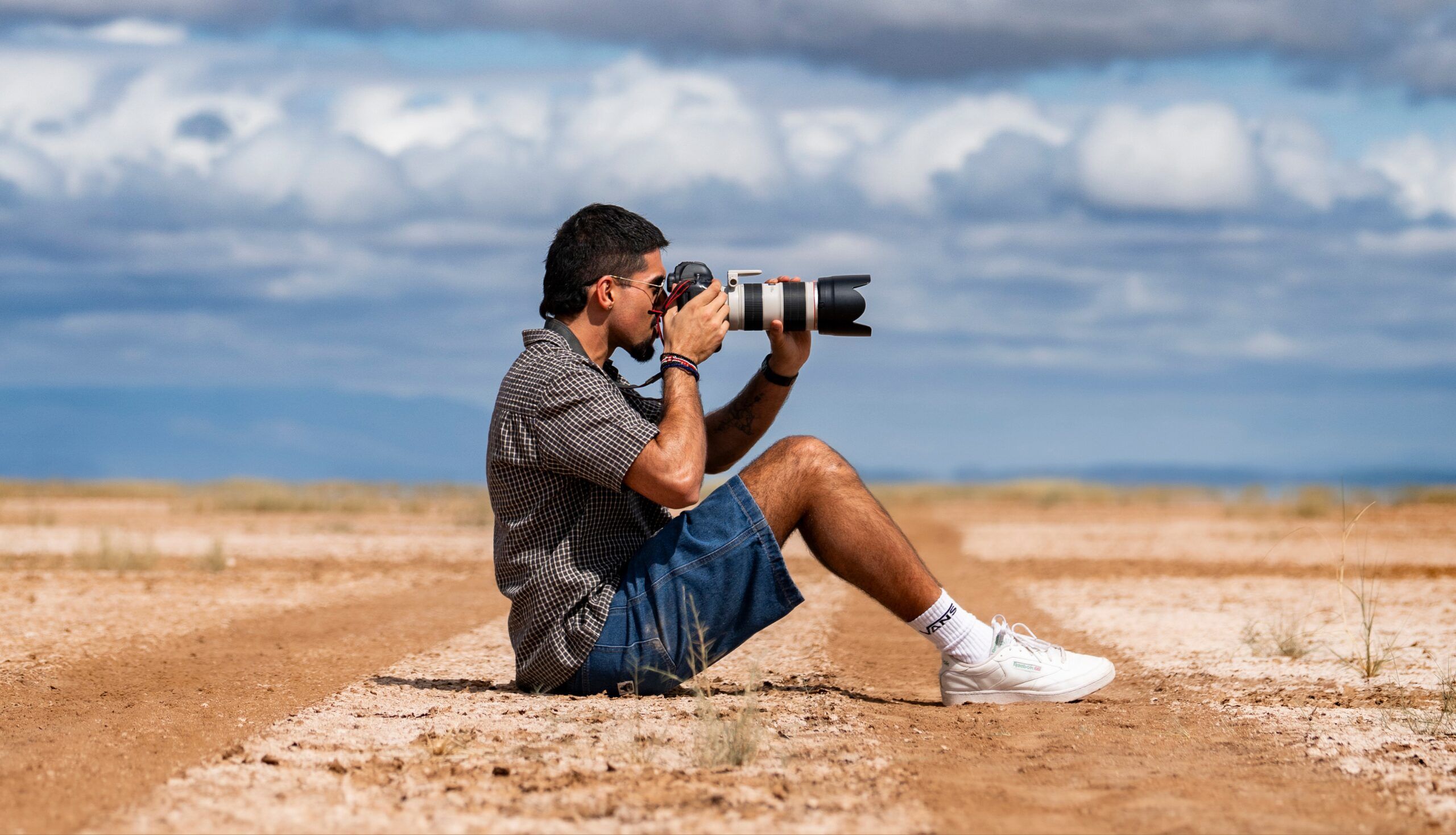
As a young boy, Harman Singh Heer would sit quietly in the back of a safari vehicle, watching the African wilderness unfold before him.
Growing up in Nairobi, Kenya, early morning safaris with his dad were a highlight of his week.
With the morning air still and golden light melting across the savanna, herds of elephants and towers of giraffes moved through the grasslands.
Watching these animals in their natural habitats, moving at their own pace, left Harman in a state of wonder. He came to understand that this place and its flora and fauna, were something to be respected.
“There’s no greater peace than being out in the African wilderness with no one else around,” Harman said.
“It’s just you and these wild animals.”
It was in these quiet moments that something began to take hold. Not just a love for wildlife, but a deeper sense of connection.
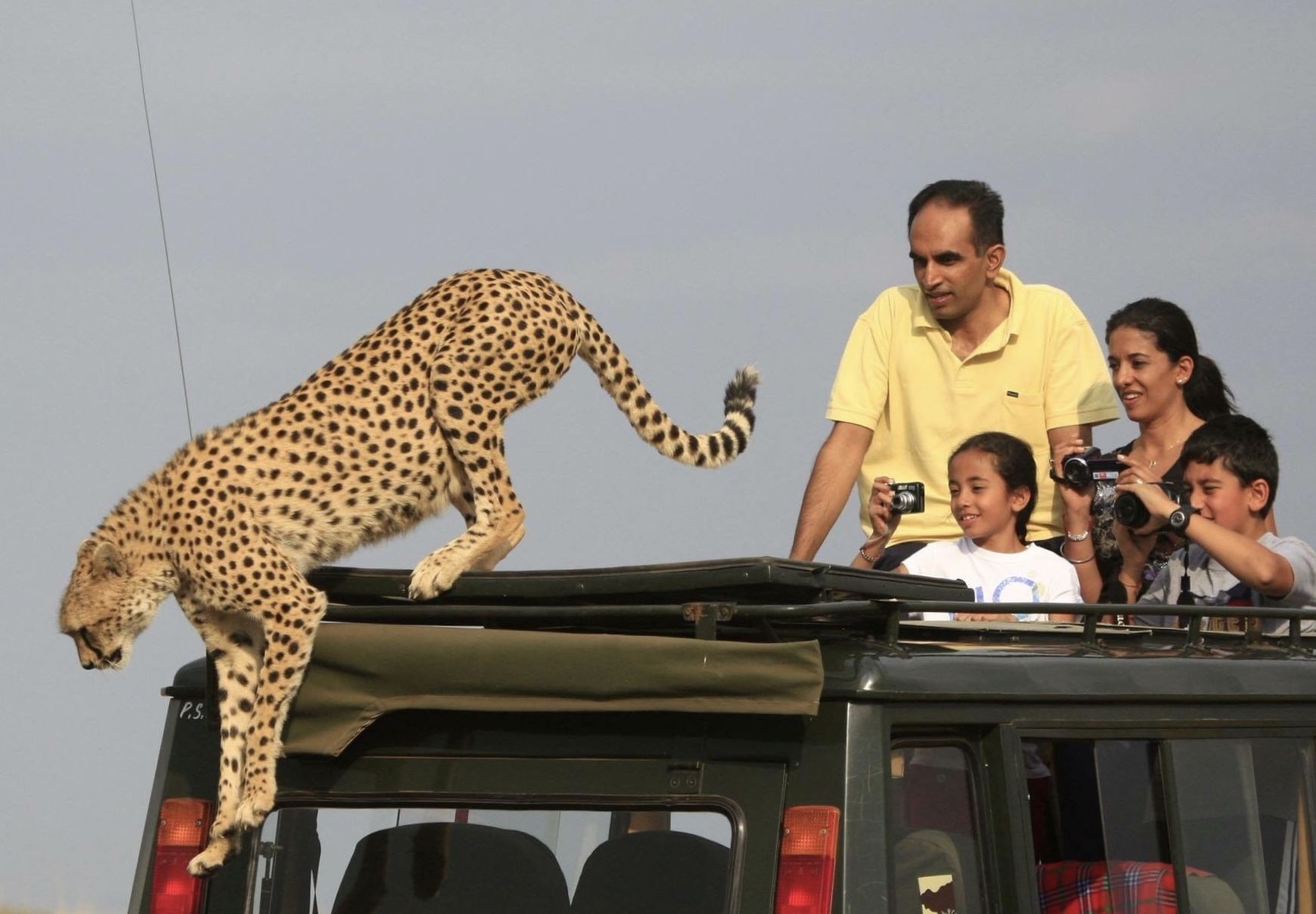
A young Harman capturing a leopard while on safari with his family in Kenya.
But when his dad passed away in 2013, that world shifted. The places were familiar, yet the feeling of being there was different.
In the midst of that grief, Harman still returned to what he knew – the wilderness.
However, this time he saw it through a different lens.
Picking up a camera, Harman found a way to preserve precious memories, and in doing so, discovered a powerful outlet for healing and connection.
“My dad loved leopards,” Harman says.
“So, capturing these photos connects me back to him.”
Harman said each image became a quiet act of remembrance. A way of keeping both memory and meaning alive in a world where so much is fleeting.
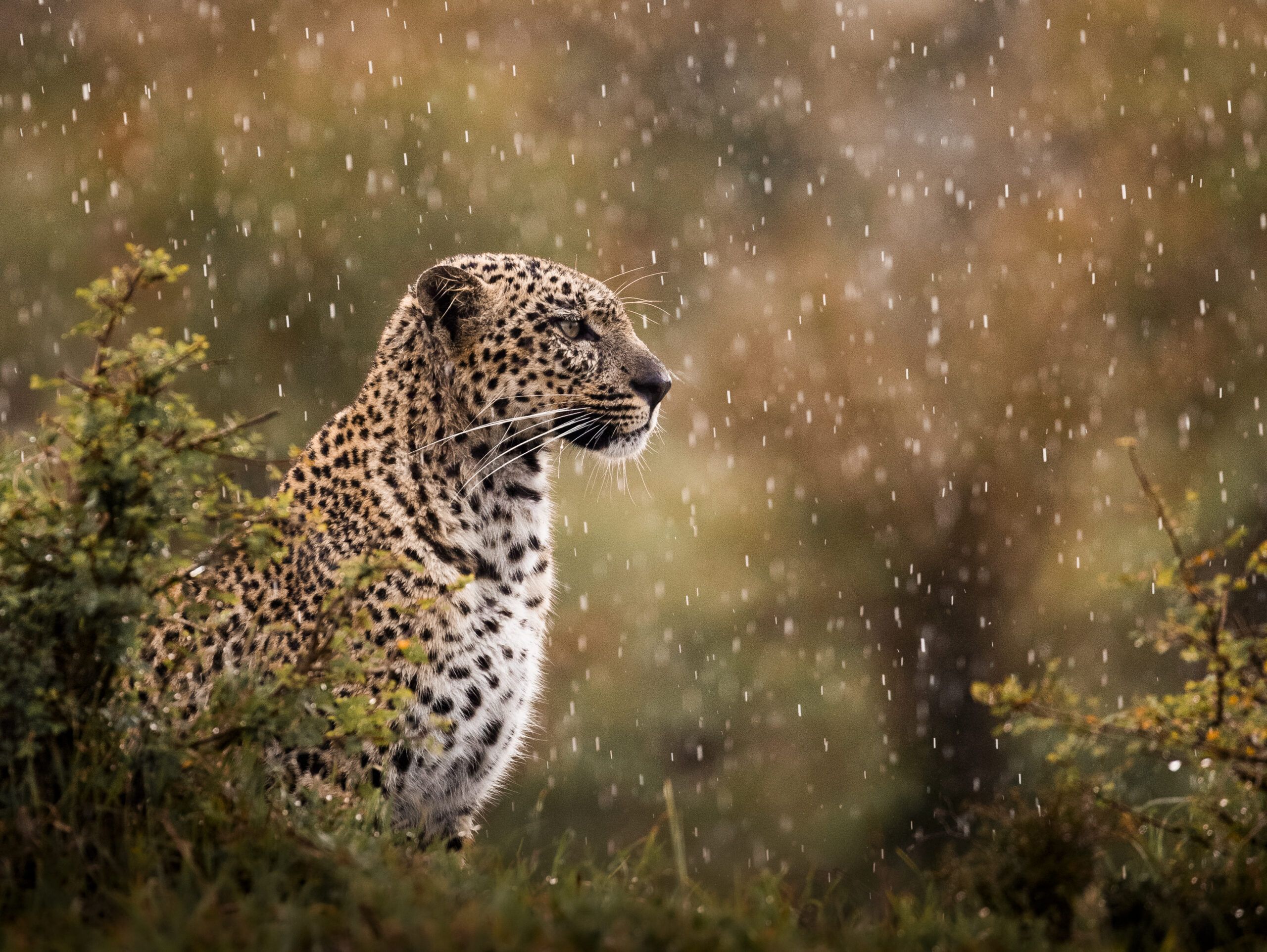
For Harman, capturing leopards has been a way for him to connect with his Dad.
On one of their final safari trips together, a photographer – who would later become Harman’s mentor – captured some of the last images of Harman and his family with his father.
At the time, they were simply photos.
Years later, when those images found their way back, they became something far more significant – a tangible fragment of a moment they could never return to.
What began as a chance meeting, unfolded into a mentorship grounded in patience, curiosity and time in the field.
Every Sunday, the two would return to Nairobi National Park. Long days of waiting and quiet observation.
It wasn’t about chasing the perfect shot. It was about learning to see and notice the small shifts, the subtle movements, the moments most people would miss.
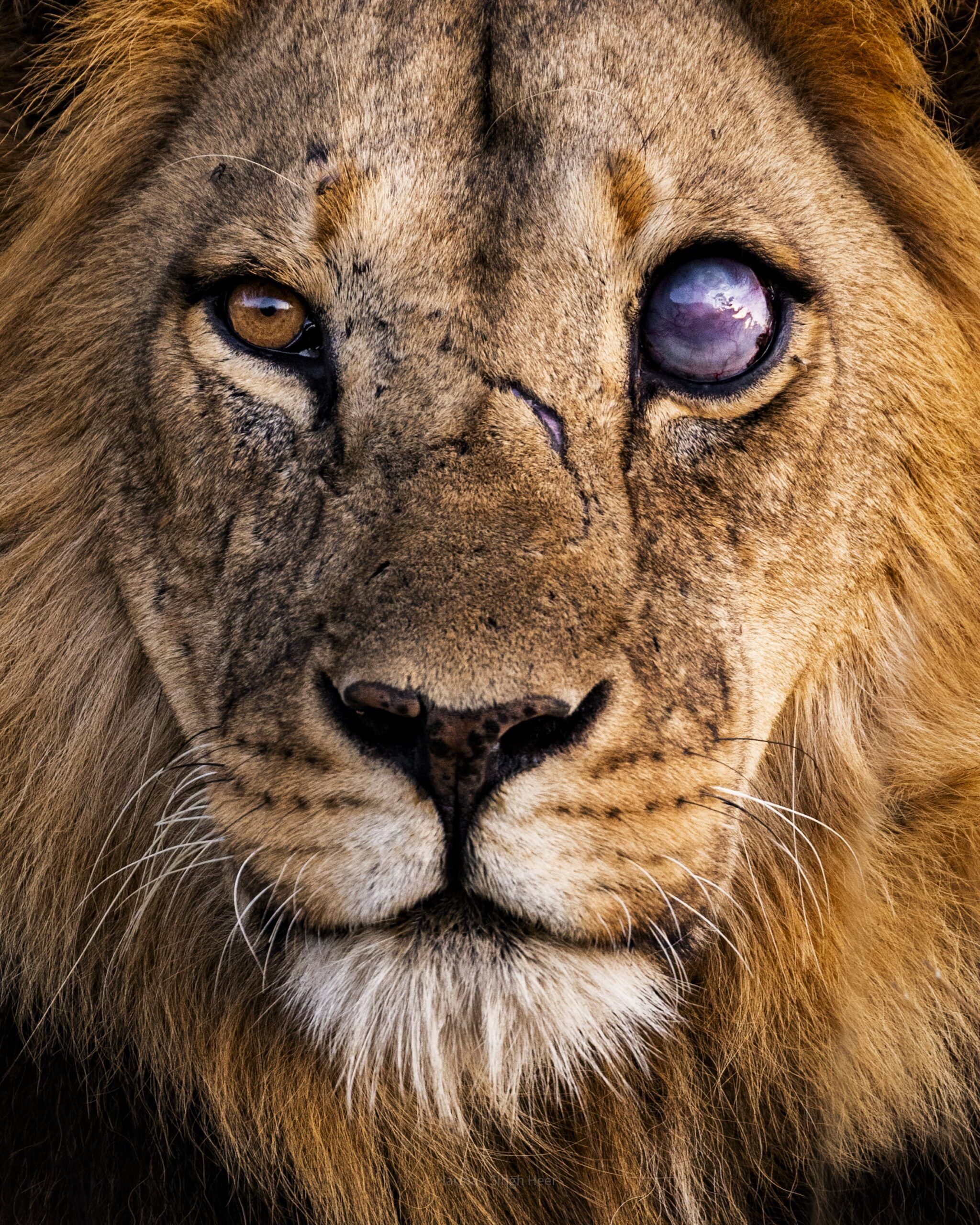
Capturing once-in-a-lifetime photos often requires patience and quite observation.
Over time, photography became more than a skill. It became a constant.
Years later, that patience would be tested elsewhere.
Deep in the dense, rain-soaked forests of South India, Harman and his mum set out in search of one of the rarest animals in the world, the elusive black leopard.
Drive after drive, there was nothing.
The rain fell steadily. The forest closed in. And slowly, doubt began to creep in.
“We almost gave up,” he said.
But something told him to keep going.
And then, just as the light began to fade, there he was, perched quietly in a tree.
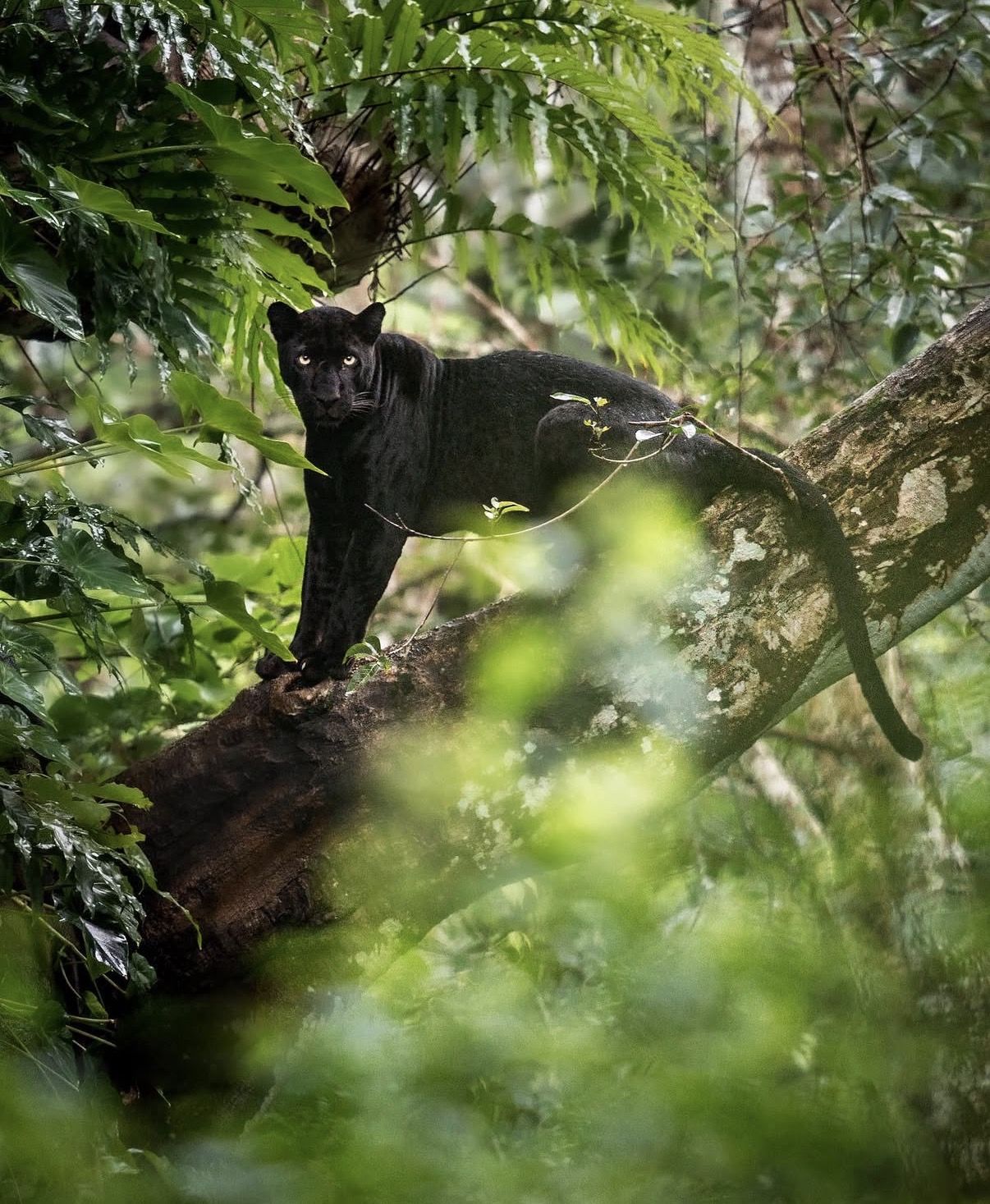
Harman captured one of the rarest animals in the world, the black leopard, in South India.
A moment so rare, so fleeting, it could have been missed entirely.
Life eventually led Harman far from the landscapes that shaped him.
Moving to Perth, he spent six years at Curtin completing a BA in International Relations and Affairs and a Masters in Professional Writing and Publishing.
At his February graduation, Harman shared an important message with his peers: “Don’t wait for clarity or certainty before you move forward; step beyond what feels comfortable. Trust that growth often begins where certainty ends,” he said.
In the future, Harman hopes to combine his love for writing with his passion for photography.
“My next step is a coffee table book,” he said. “But my all-time dream is to work on a project with National Geographic.”
Harman also hopes to continue his safari business, Mzuri Safaris.
Co-founded in 2023 with his friend, Nili Gudhka, Mzuri was designed to bring Africa’s wilderness closer to people around the world.
“I’ve seen guests cry at the sight of their first elephant or leopard,’’ he said.
“For me, giving people that sort of experience is incredibly uplifting.”
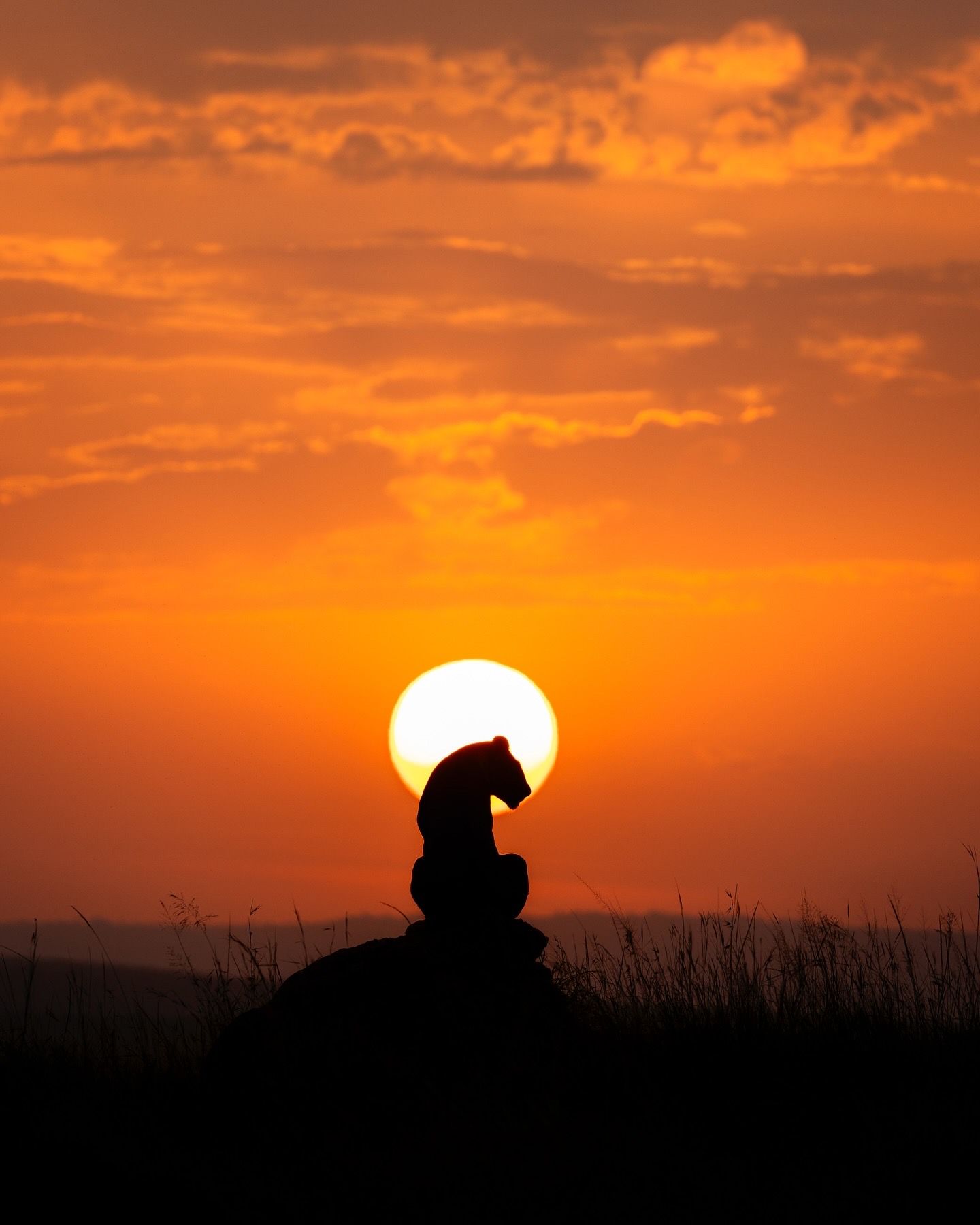
Harman’s most favourite photo, a lioness in the sunset.
For Harman, photography has always been more than making ends meet. It’s been a way of life.
“I don’t think I’ve ever thought that I need to make a living out of this because photography has just always been pure passion and joy,” he said.
His biggest piece of advice for those wanting to follow their passion?
“Just do it. Many people will sit on a passion they want to pursue and will be too scared to jump on it,’’ he said.
“Honestly, there will never be a right time – you have to decide if this is something you really want to pursue and then do it.”
___