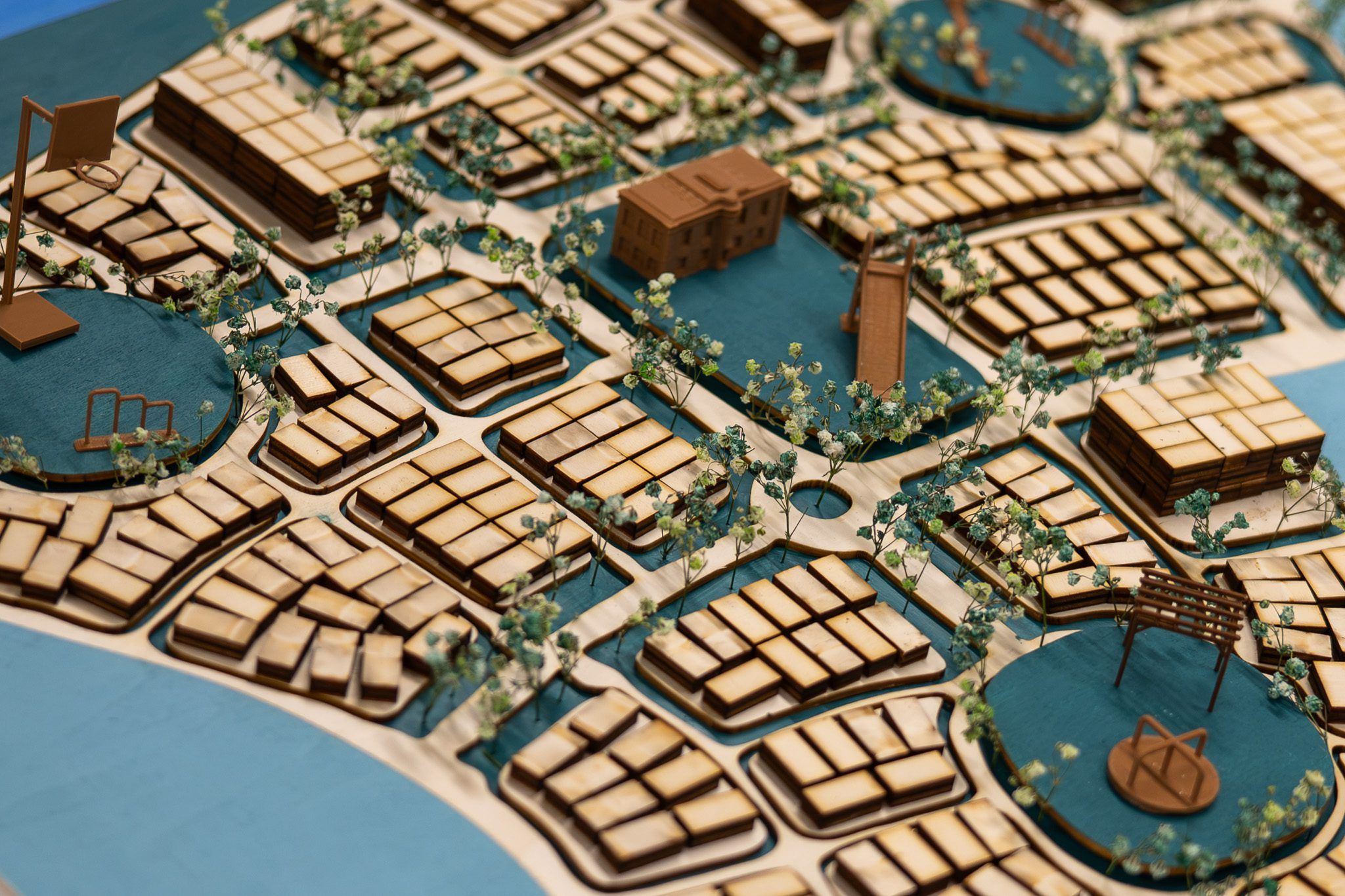
The Sustainability Challenge 2026 has concluded with a final showcase celebrating the creativity, collaboration and practical thinking of students working to address real-world sustainability issues.
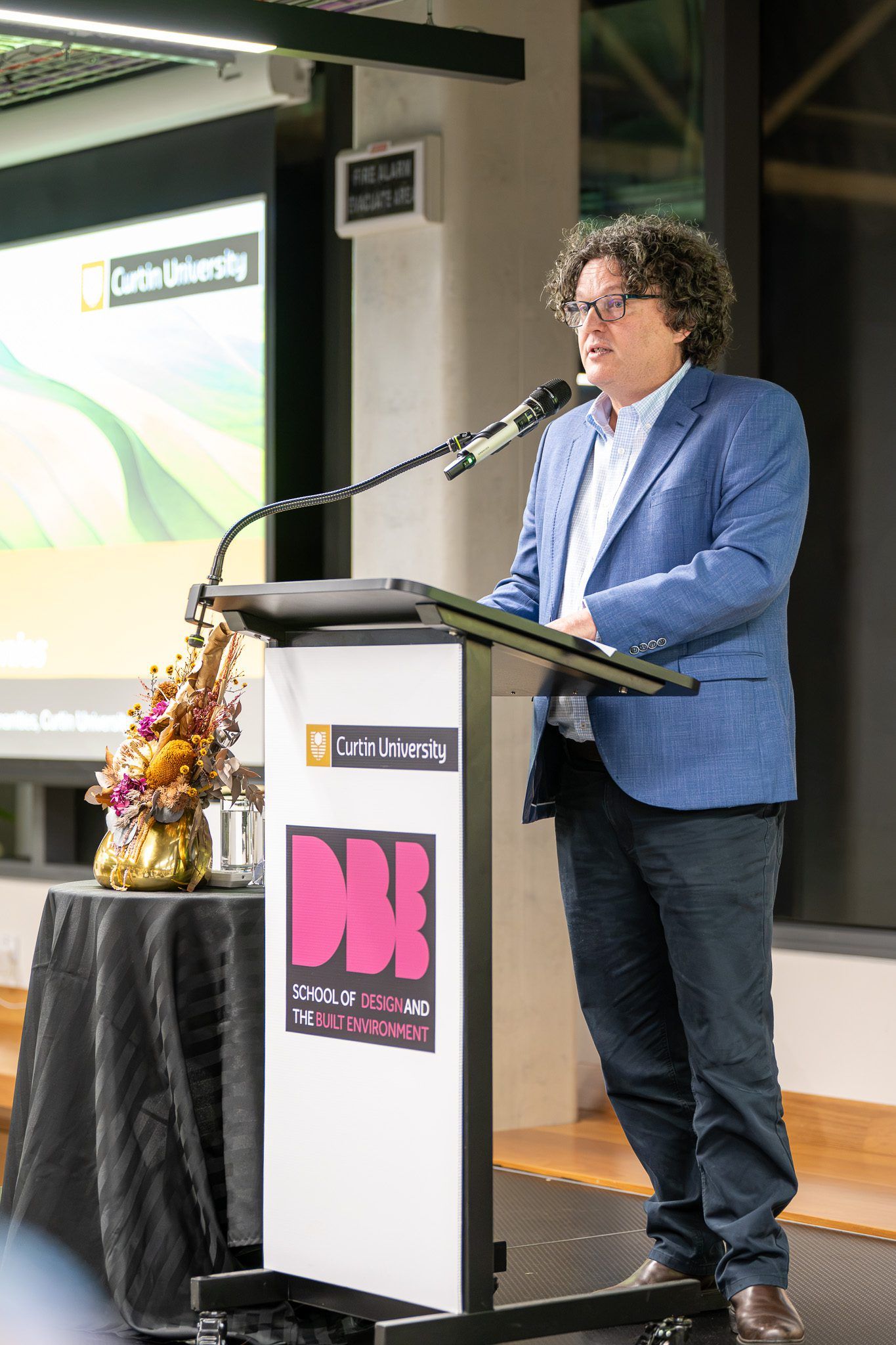
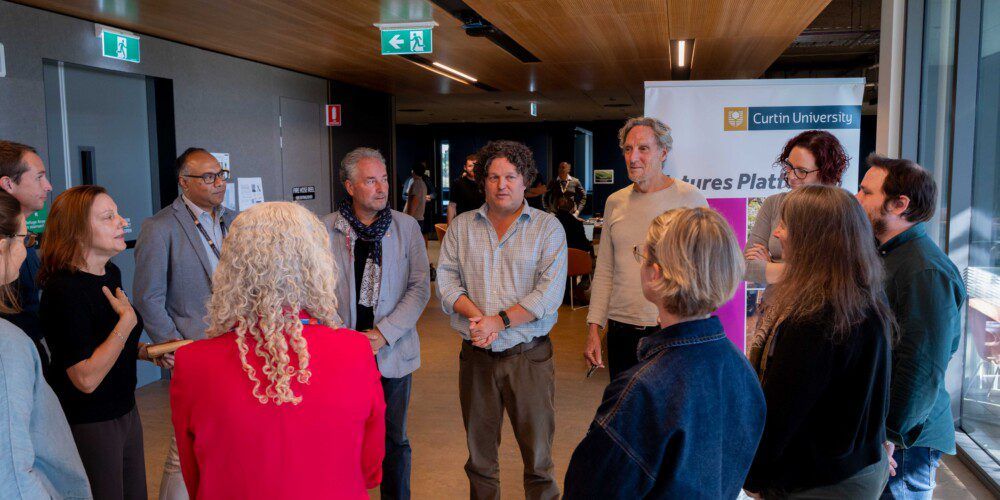
Led by Professor Josh Byrne AM, Dean Sustainable Futures, Humanities, alongside Unit Coordinator Aimee Smith and Futures Challenge Coordinator Tim Keely, the Sustainability Challenge is an intensive, credit-bearing unit that brings students together from across Curtin’s faculties to work in interdisciplinary teams.
Across the week, students responded to live industry challenges connected to climate change, resource use, sustainable communities, ecosystems, the built environment and the future of cities. The program challenged students to move beyond classroom theory and apply their learning to complex issues being faced by organisations, communities and industry.
Now in its fifth year, the challenge has continued to grow in both scale and impact. Since 2022, more than 600 students and over 30 industry partners have taken part, working together on problems that are not simulated or theoretical, but connected to real organisations, communities and systems.
Professor Richard Blythe, Pro Vice-Chancellor, Humanities, described the program as one of the clearest examples of challenge-based learning at work.
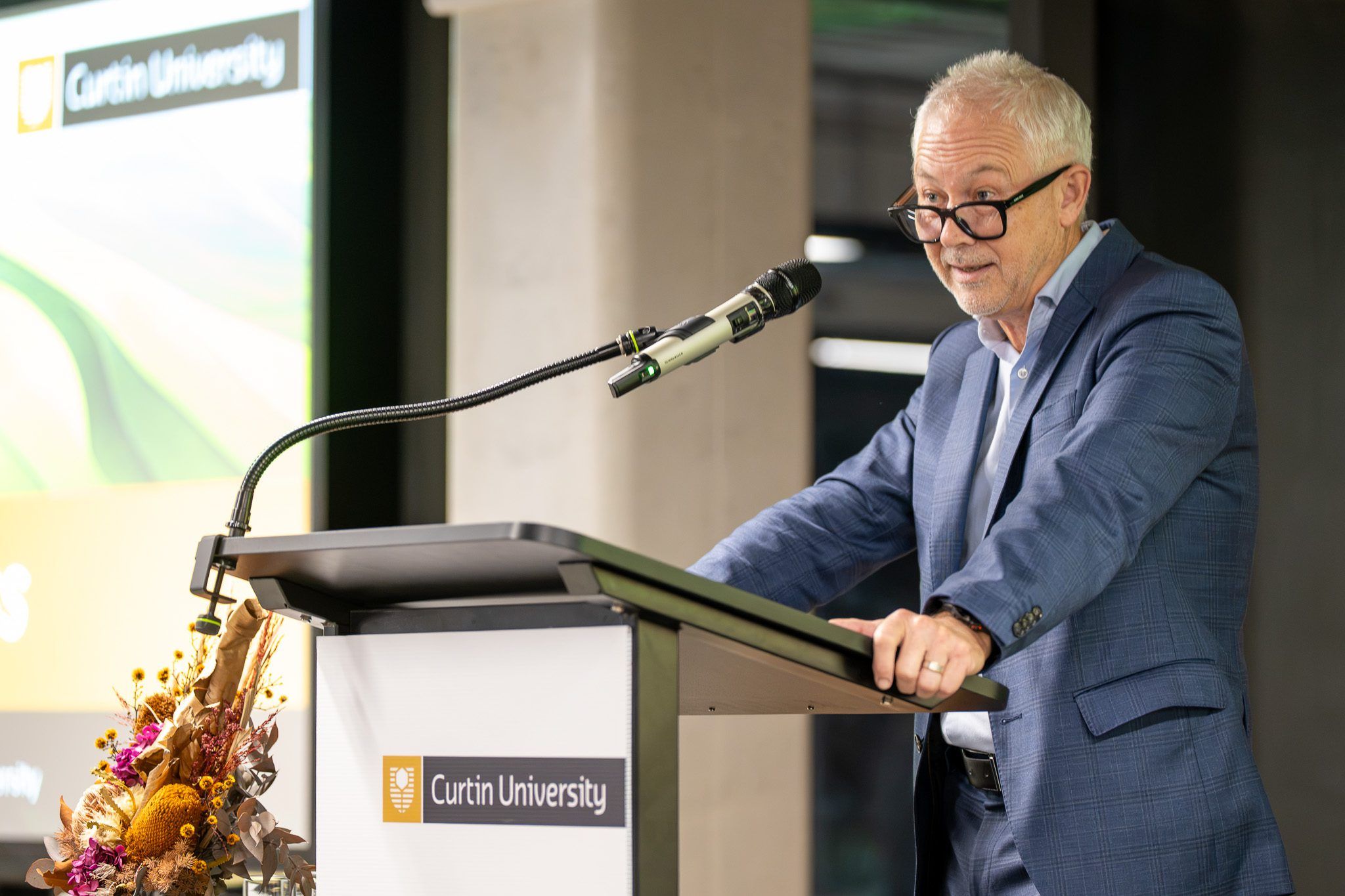
“What happened here in the space of a single, intensive week is closer to the real thing than almost anything else the university offers,” Professor Blythe said.
He reflected on the importance of students learning to work across disciplines, noting that real sustainability challenges rarely fit neatly within one field of study.
“The problems you worked on don’t care what faculty you come from,” he said. “WA doesn’t need just an architect. It needs someone who can think across disciplines, hold uncertainty and still move towards a decision.”
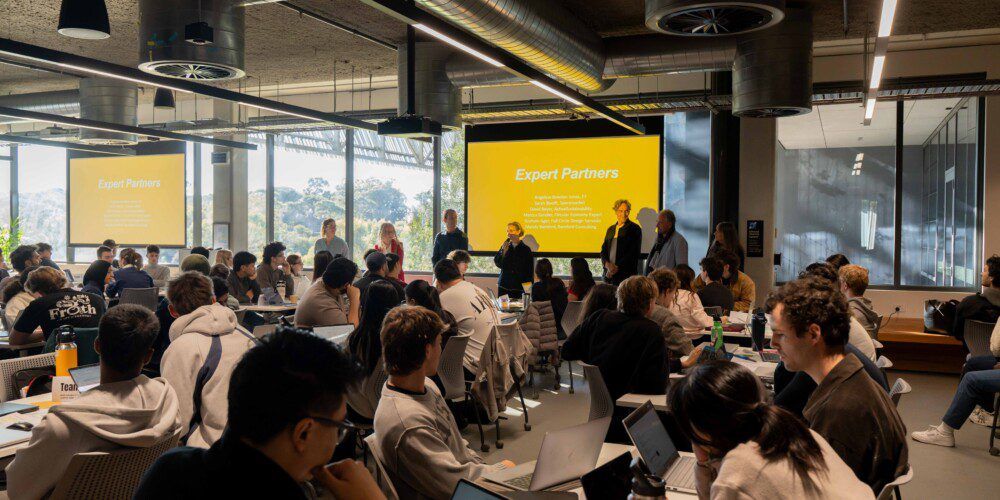
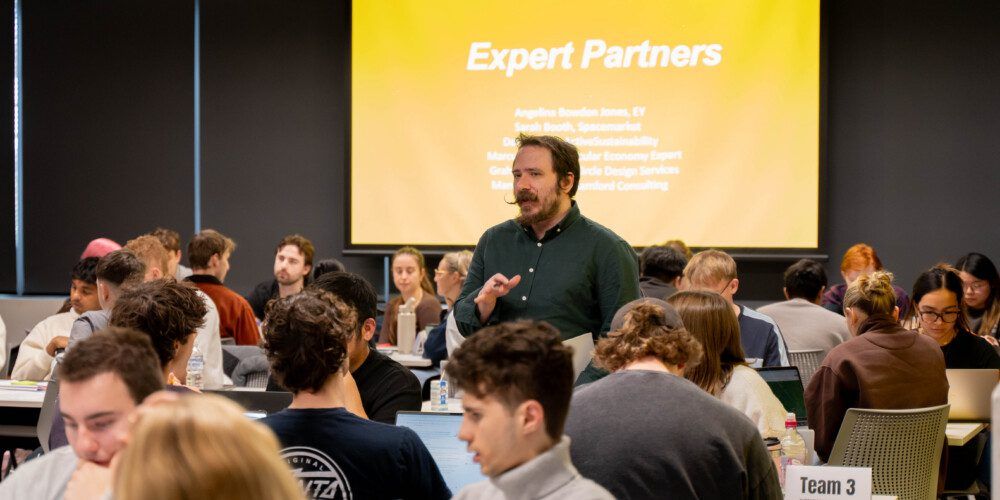
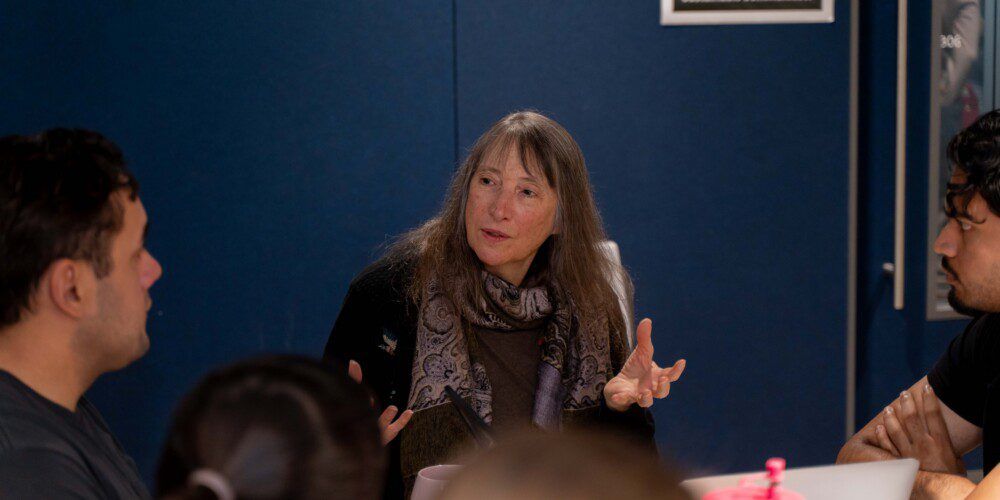
This year’s cohort was one of the largest in the program’s history, with around 150 students taking part. Over the course of the challenge, students heard from Government Briefing Partners, worked closely with Industry Challenge Partners, and received guidance from Academic Mentors and Expert Partners as they tested their assumptions, refined their ideas and prepared for their final presentations.
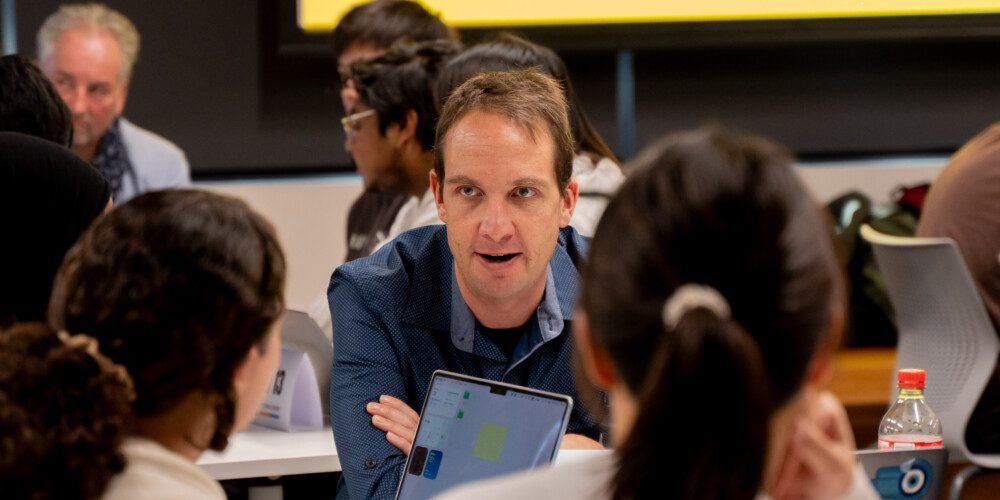
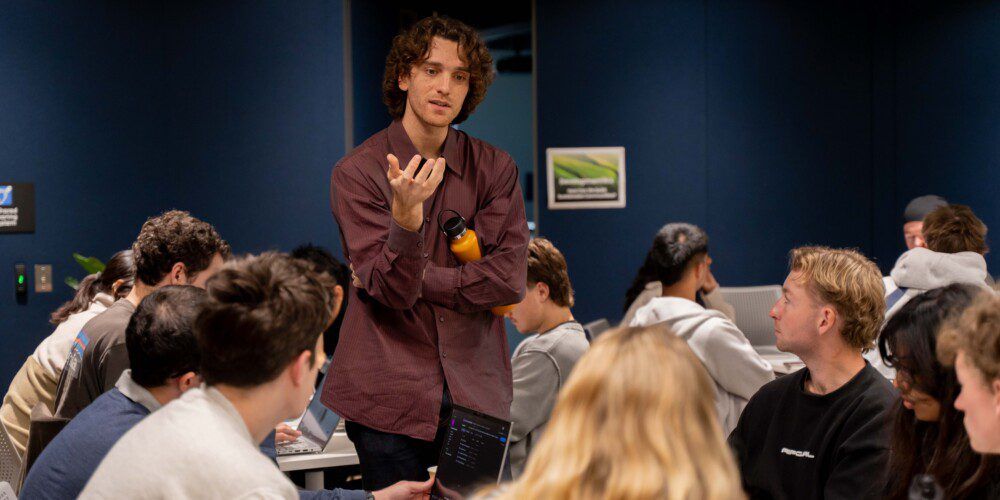
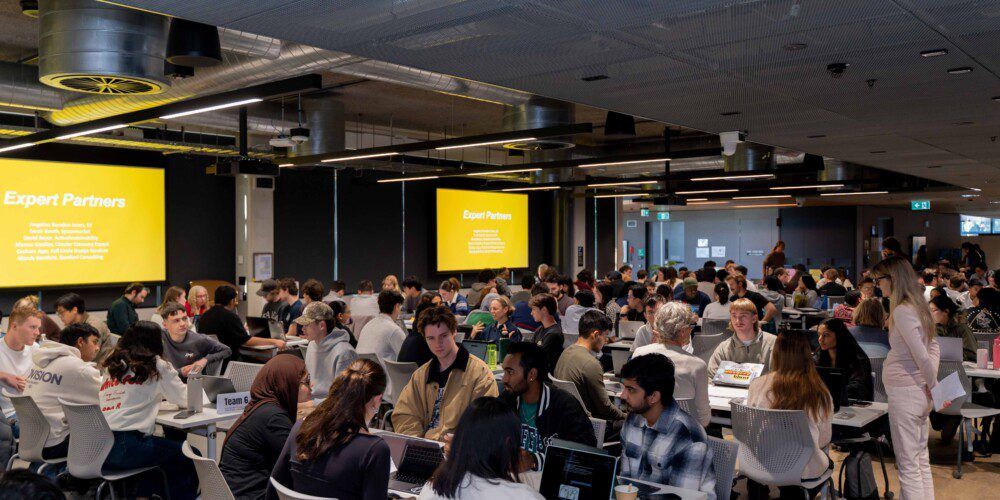
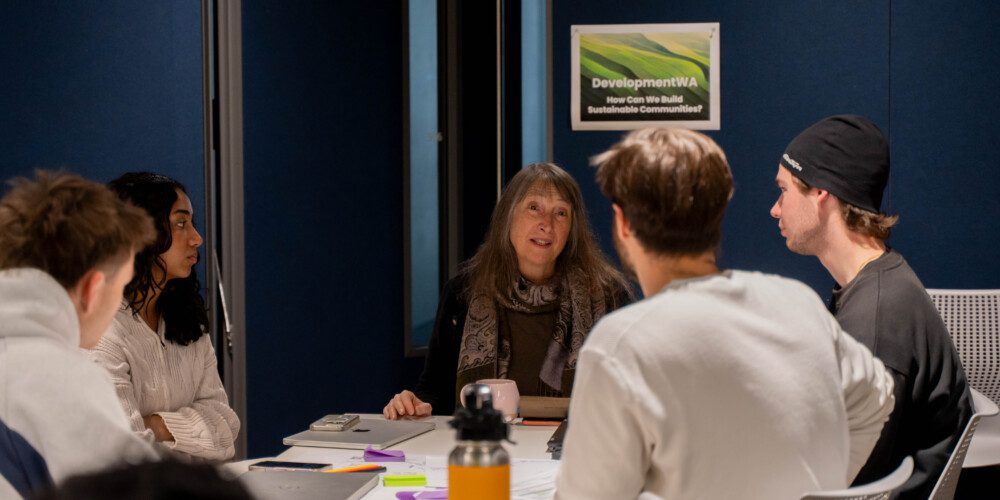
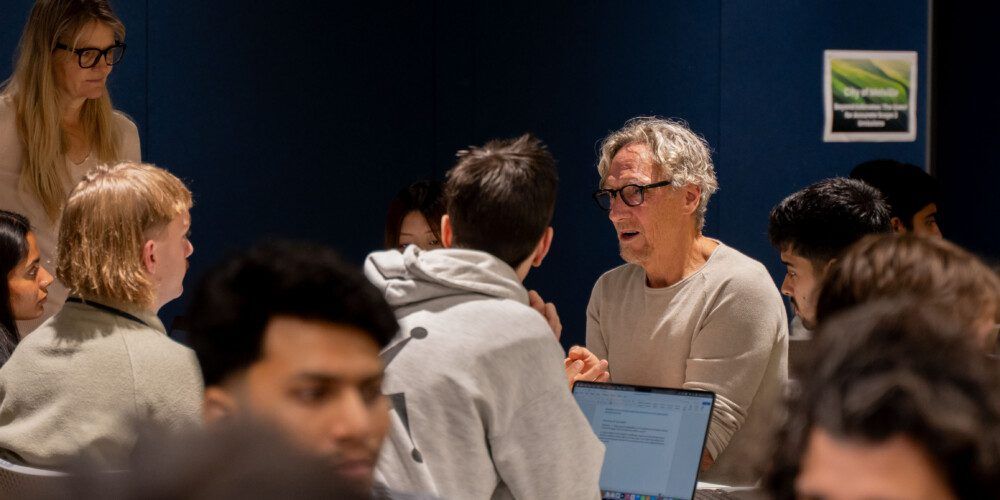
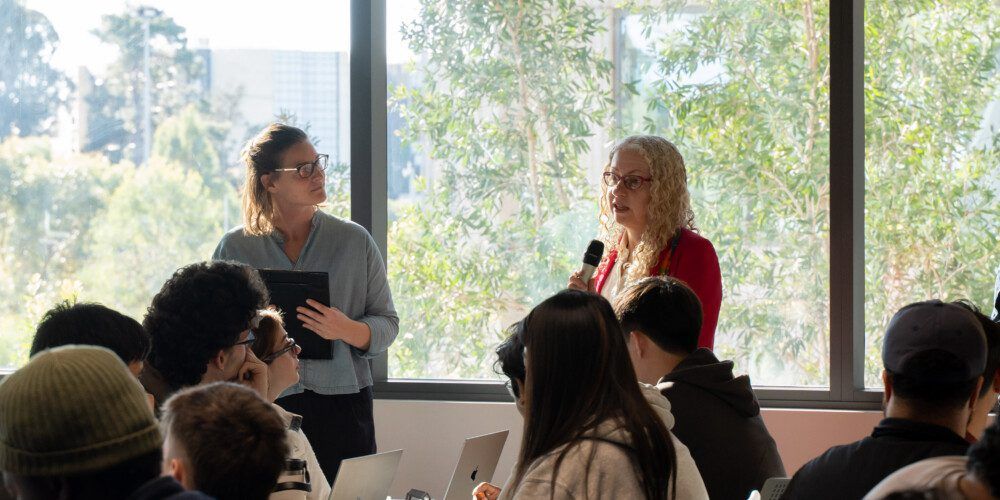
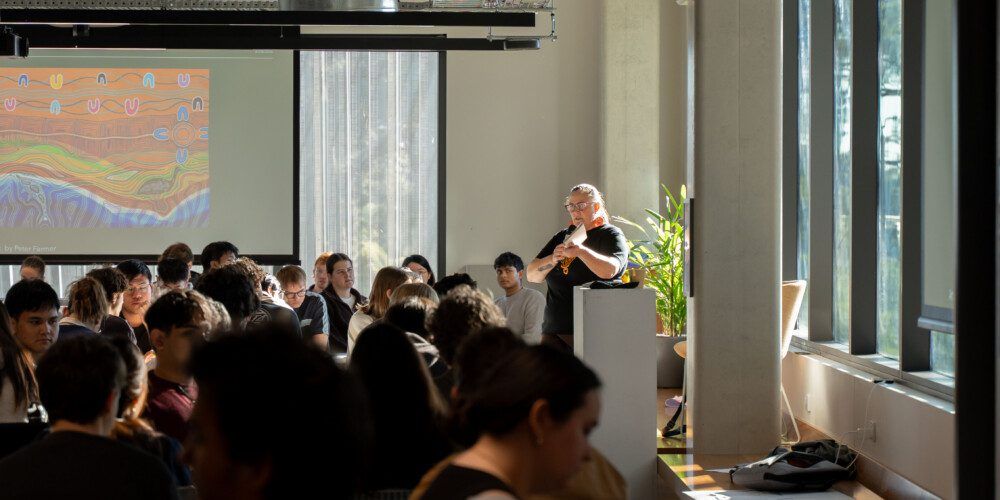
For Professor Blythe, one of the most valuable parts of the program was not only the final proposal, but the process students experienced along the way.
“Sustainability challenges are complex. They require collaboration, creativity and the ability to work across disciplines,” he said. “Learning to sit with that productive difficulty and keep working anyway is one of the most important things a university education can give you.”
The student experience was also central to the showcase, with Master of Commerce student representative Ngoc Kim Ngan Ho sharing how the challenge shifted her understanding of what practical learning could look like.
Initially joining the unit for credit, Ngoc said she quickly realised the challenge was far more than a classroom exercise.
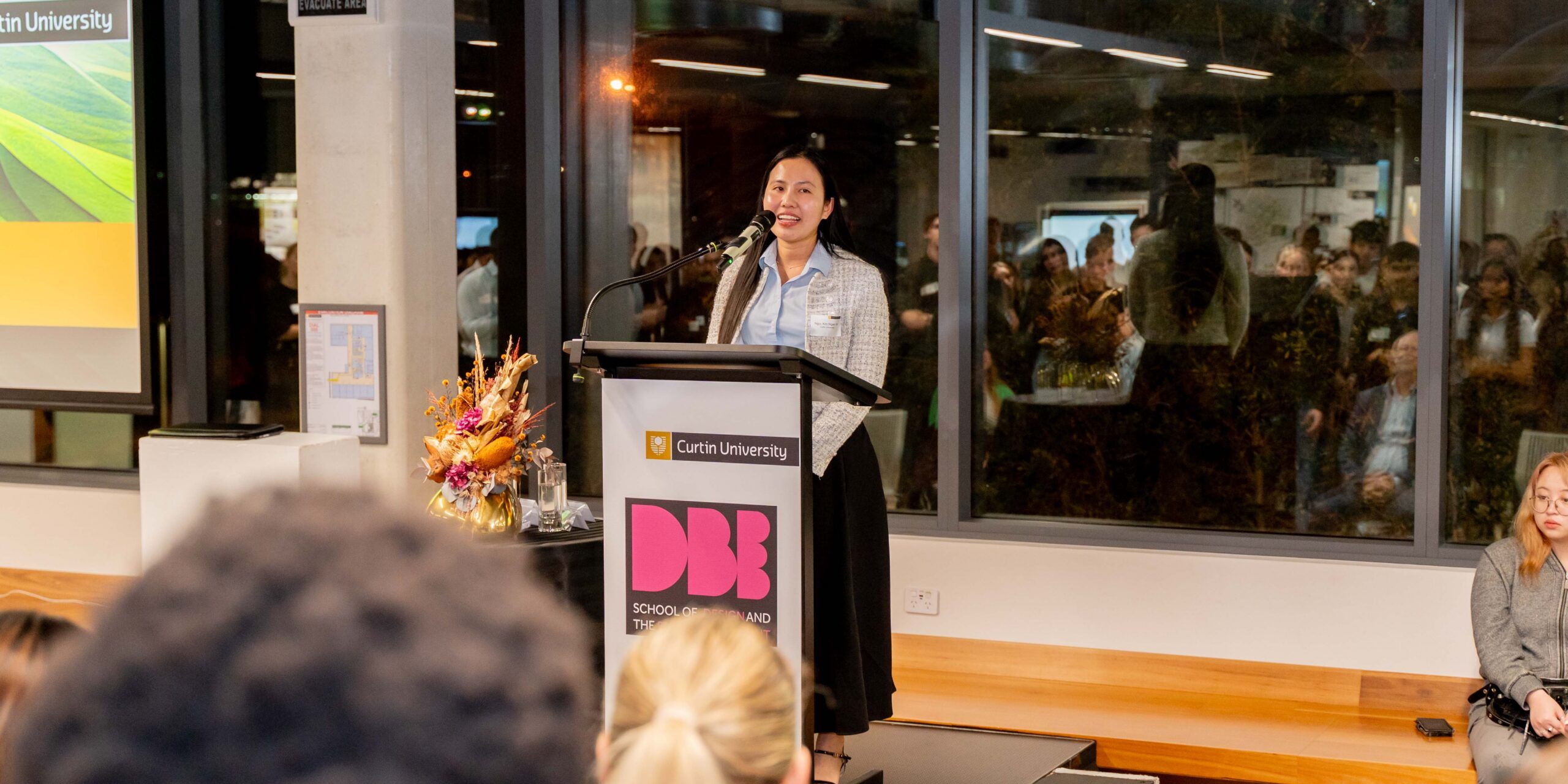
“I was really surprised,” she said. “It was actually a real consulting project, with real clients, real industry partners and real issues they were facing.”
Working in an interdisciplinary team gave her new insight into how different fields approach the same problem. As a commerce student aspiring to become a consultant, she reflected on the value of listening to engineering, design and other discipline perspectives before making commercial judgments.
“It is not easy to come up with a solution that actually works in real life,” she shared. “In the future, if I work in consulting, I will listen to engineering and other perspectives before I say something is too expensive.”
Her experience also highlighted one of the broader aims of the Sustainability Challenge: to help students build the communication, feedback and collaboration skills they will need beyond university.
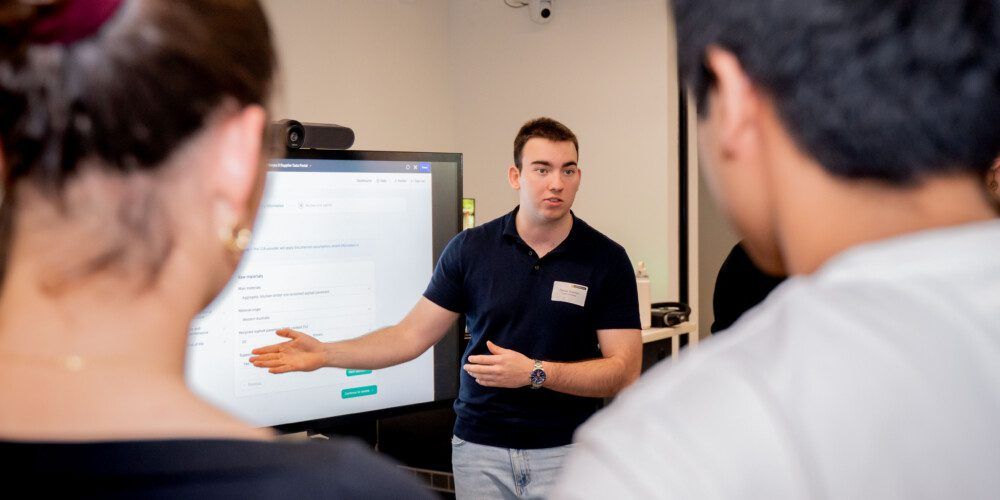
The showcase also featured perspectives from industry partners, including Georgia Drieu, Sustainability Engagement Officer at the City of Melville, who worked with students on a challenge related to tracking the City’s Scope 3 emissions data.
Georgia explained that the City of Melville entered the challenge seeking fresh ideas on how to collect supplier-specific activity data which is something many organisations are grappling with.
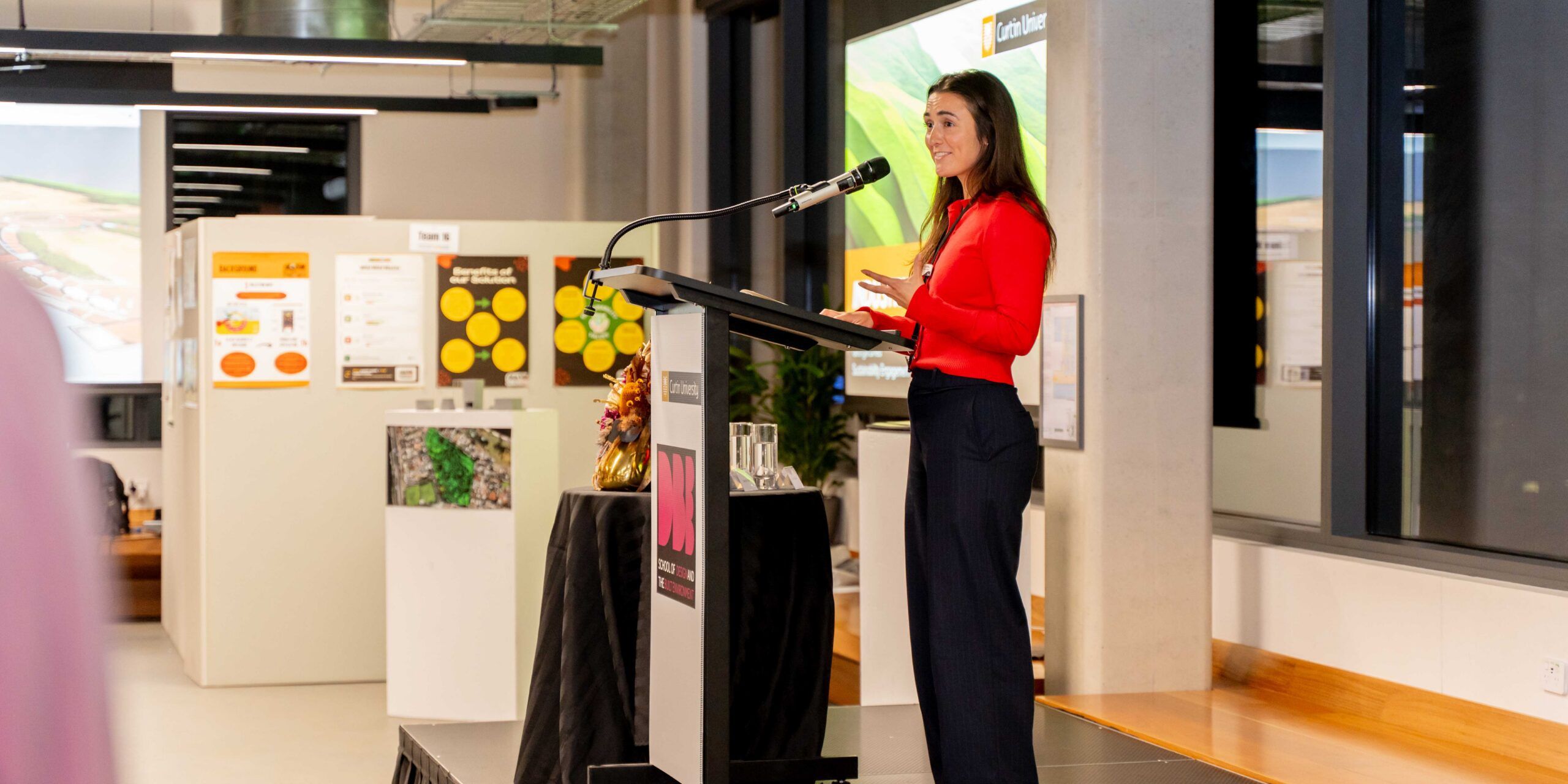
“We were looking for fresh perspectives and ideas,” she said. “Accurate Scope 3 data collection is an emerging area of work within climate action, and there is no straight forward solution as of yet.”
The students’ work left a strong impression.
“Our challenge teams did not disappoint,” Georgia shared. “We have been completely overwhelmed by the carbon literacy, maturity, passion and determination of the students.”
She also noted the way students used technology, worked across disciplines and engaged deeply with an area of sustainability that many had not previously encountered.
“Working in sustainability and climate action can sometimes be really frustrating, and you can feel like you are not making that much progress,” she said. “We were genuinely inspired and empowered by the level of engagement we received from all the students.”
For Georgia, the value of the challenge extended beyond the proposals themselves. It offered reassurance about the next generation of professionals entering industry.
“Not only are your proposed solutions absolutely fantastic, but we feel so much better knowing that the next generation champions sustainability in all that they do,” she said.
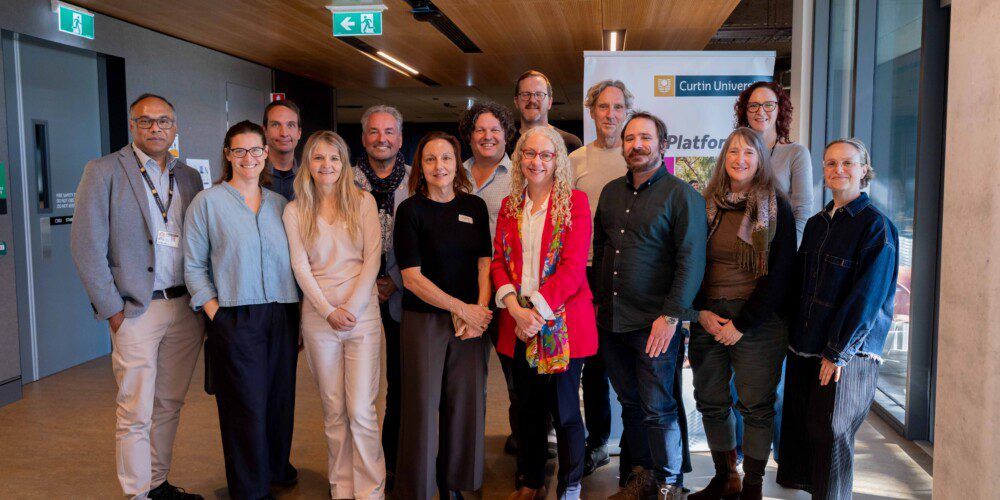
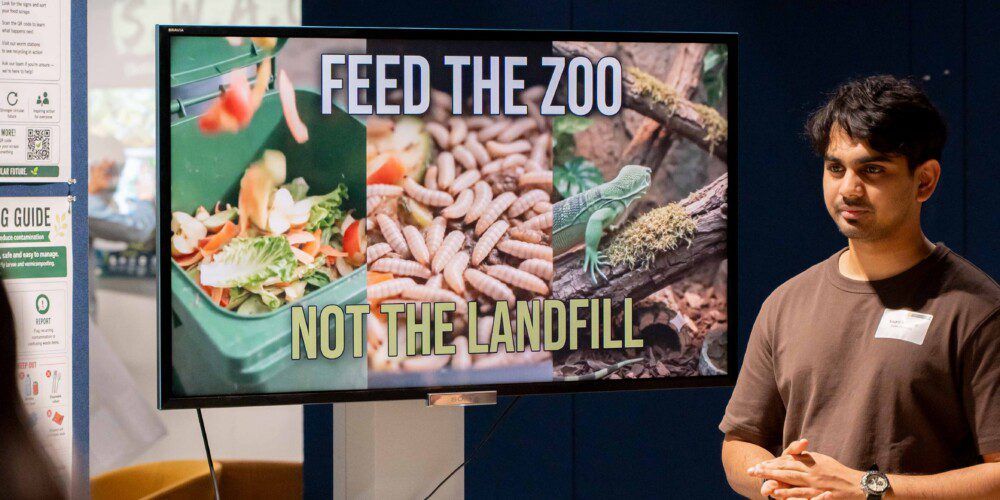
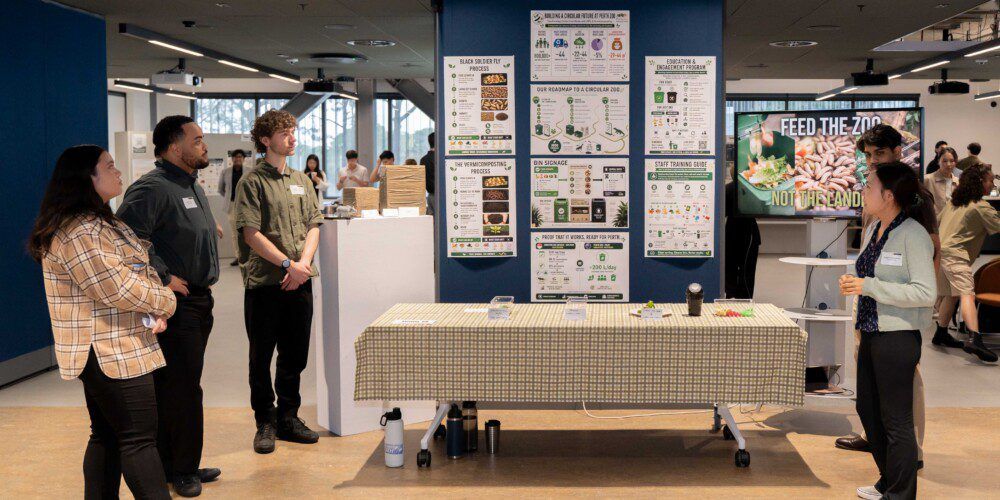
The program was made possible through the contribution of a broad network of partners, mentors and Curtin staff. Challenge Partners Georgia Drieu and Jane Loveday (City of Melville), John Clifton (DevelopmentWA), Mark Taylor (Hesperia), Tammy Chong (Curtin Properties, Facilities and Development), Danicia Quinlan (ASPECT Studios), and Mitchell Hardy, Emily Greenhalgh, Nick Schols and Zoe Beeson (Perth Zoo) worked closely with students to provide industry context, practical insight and feedback.
Government Briefing Partners from the Department of Water and Environmental Regulation, Ro Richardson, Amanda Joseph and Nicole Zago helped frame the challenges students would explore, while Expert Partners Angelina Bowden-Jones, Sarah Booth, David Beyer, Mandy Bamford, Graham Agar and Marcus Geisler shared specialist knowledge to support students as they strengthened their proposals.
Academic Mentors Arlen Brower, Roberto Minunno, Joanne Castelli, Robyn Ouschan, Holly Kirk, John Martin, Andreas Pfeifle and Atiq Zaman also played an important role throughout the week, guiding students as they developed their thinking, tested assumptions and prepared their final work.
Professor Byrne acknowledged the significant work behind the scenes, including the teaching team, Digital Learning and Innovation, DBE Makerspace, Curtin Events and the professional staff who helped bring the challenge and showcase to life.
He also thanked the industry partners who trusted students with real problems and real expectations.
“This year’s partners have generously shared their time and their expertise,” Professor Byrne said. “Please know just how much this contribution is valued.”
In closing the formalities, Professor Byrne reflected on the power of positive collaboration and the importance of students working respectfully and purposefully together.
“There is no hiding the fact that we face plenty of challenges now, and many more ahead,” he said. “But we are better off facing them together with common purpose.”
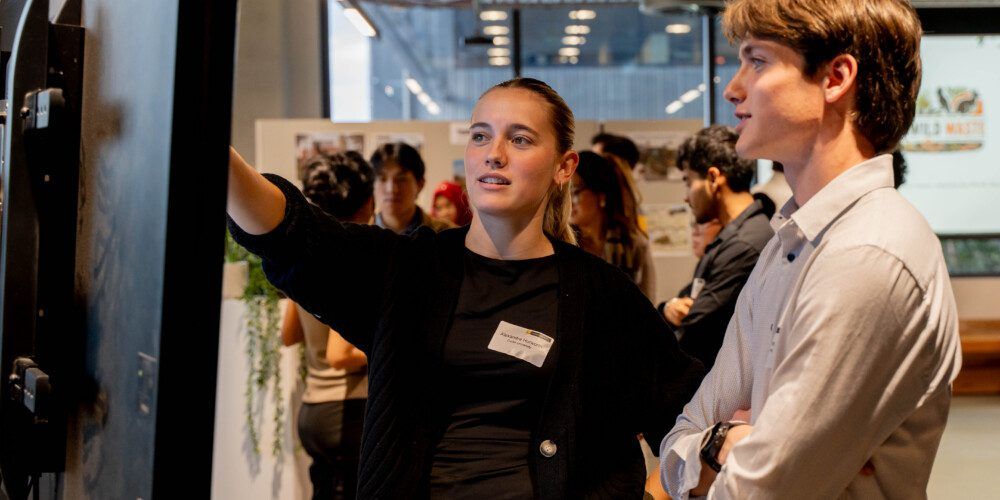
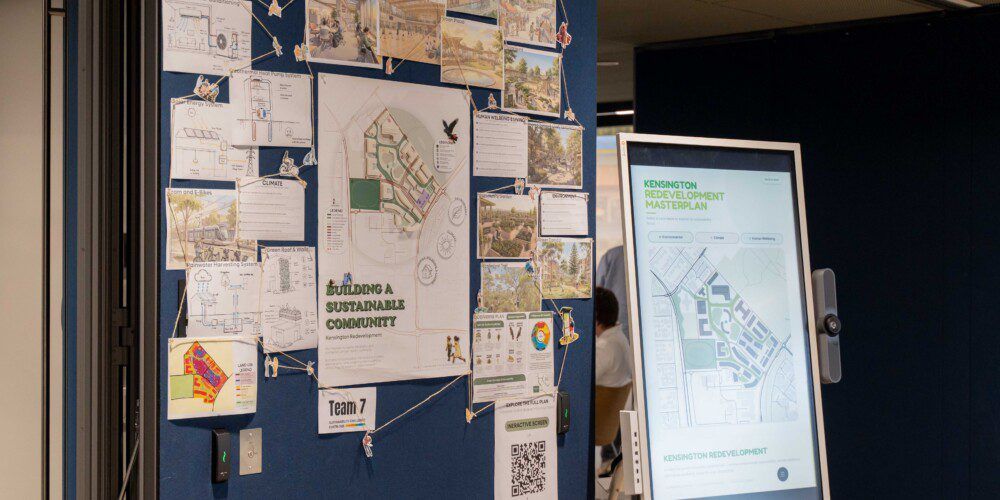
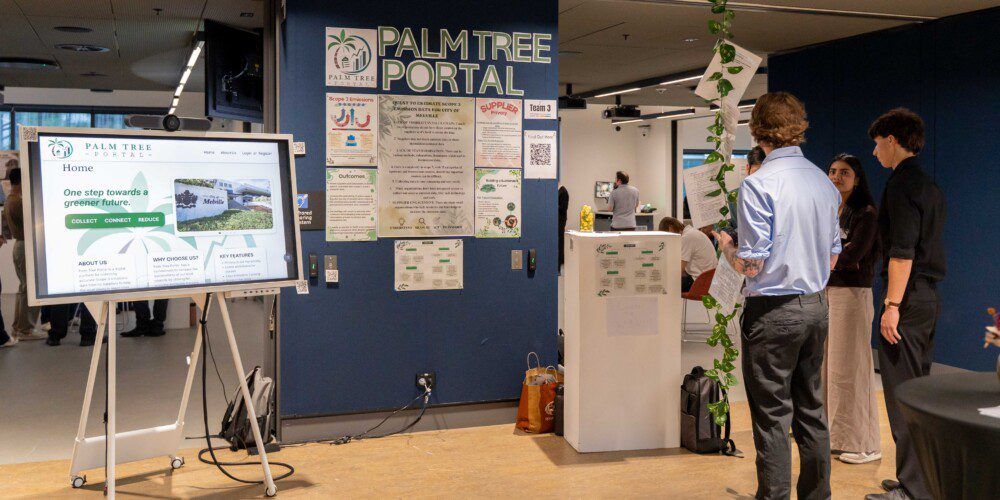
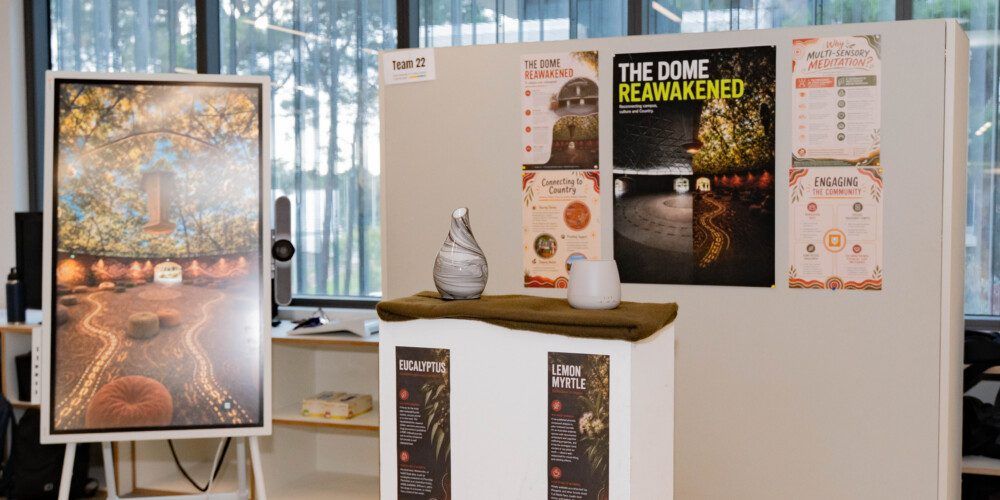
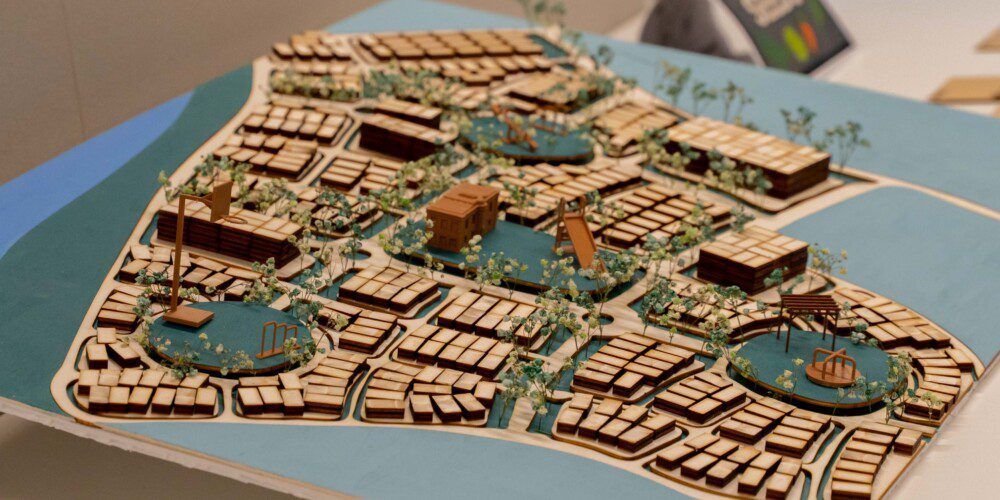
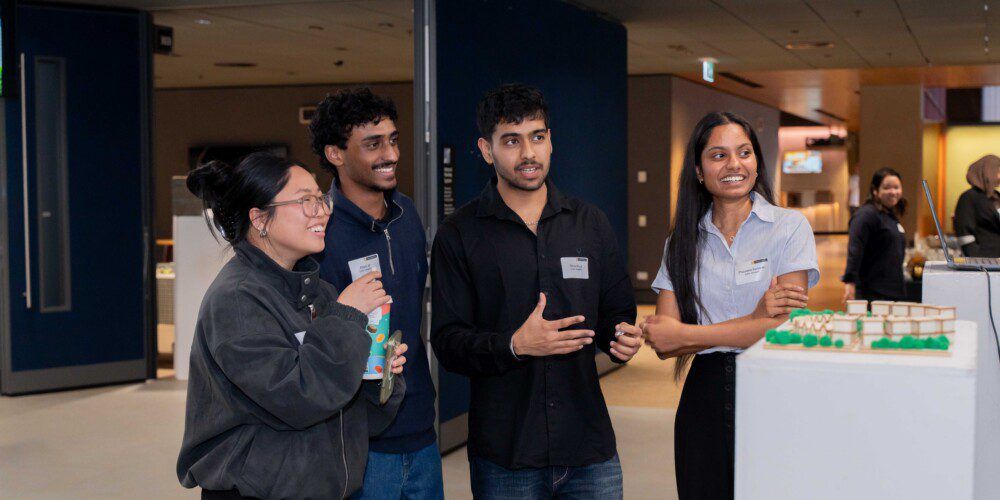
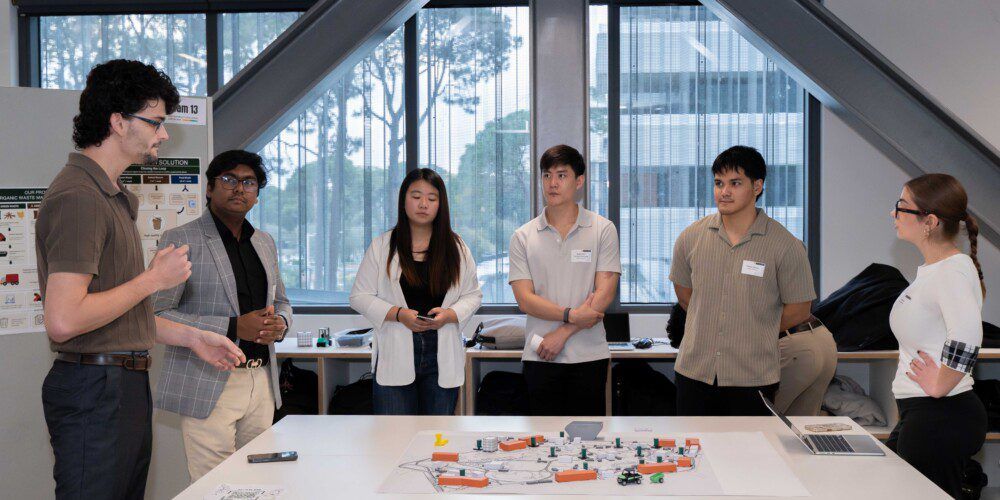
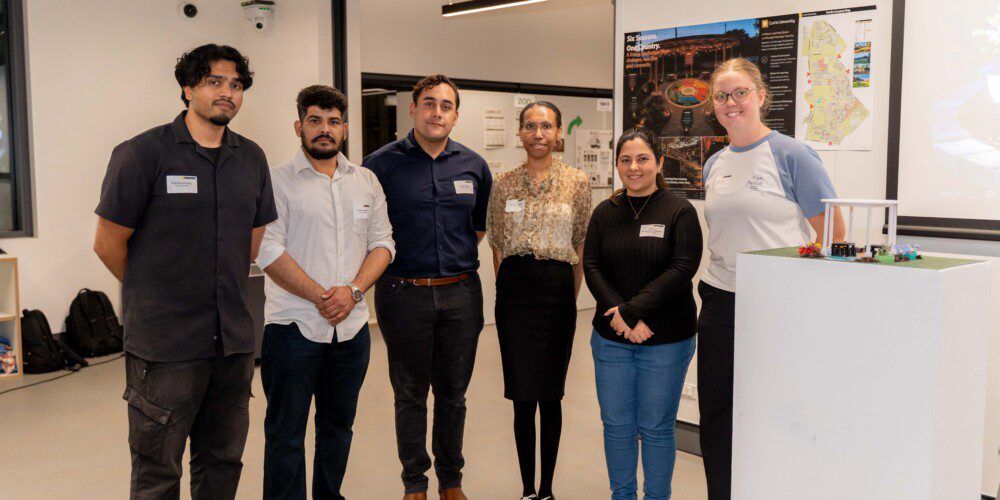
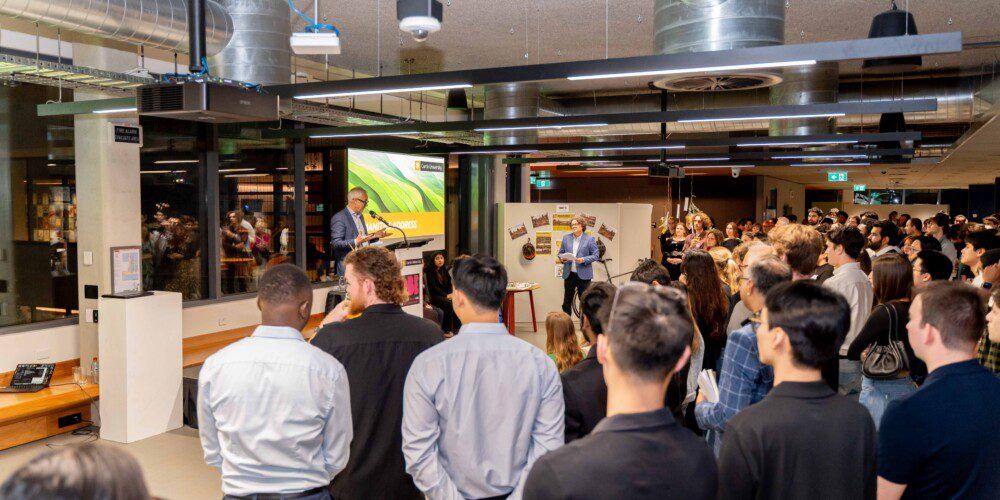
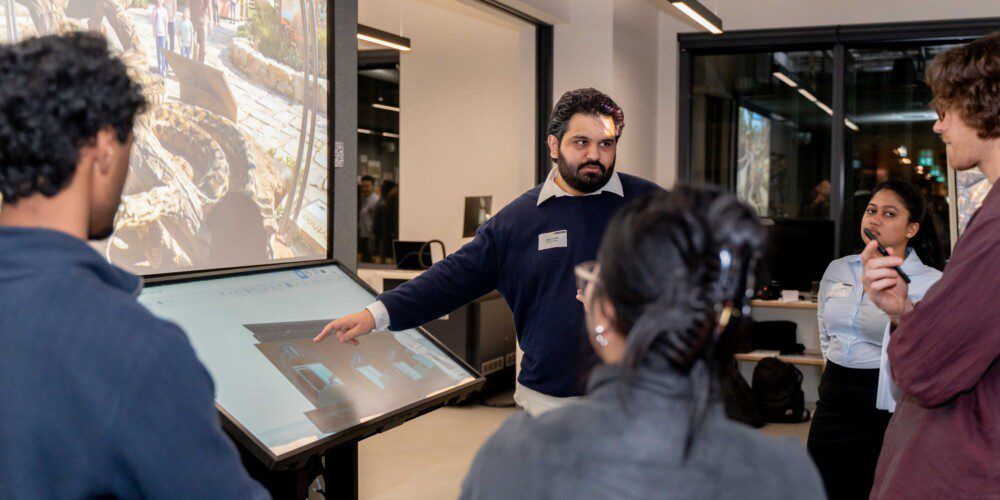
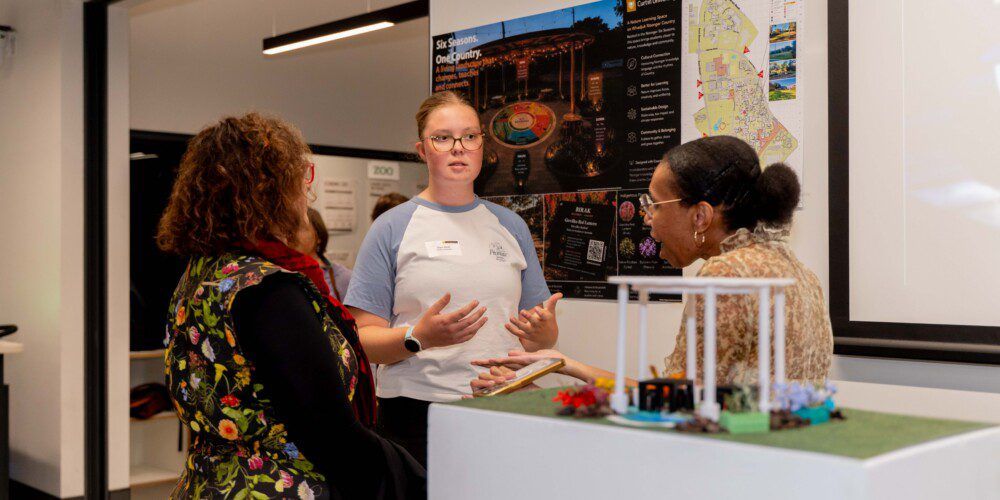
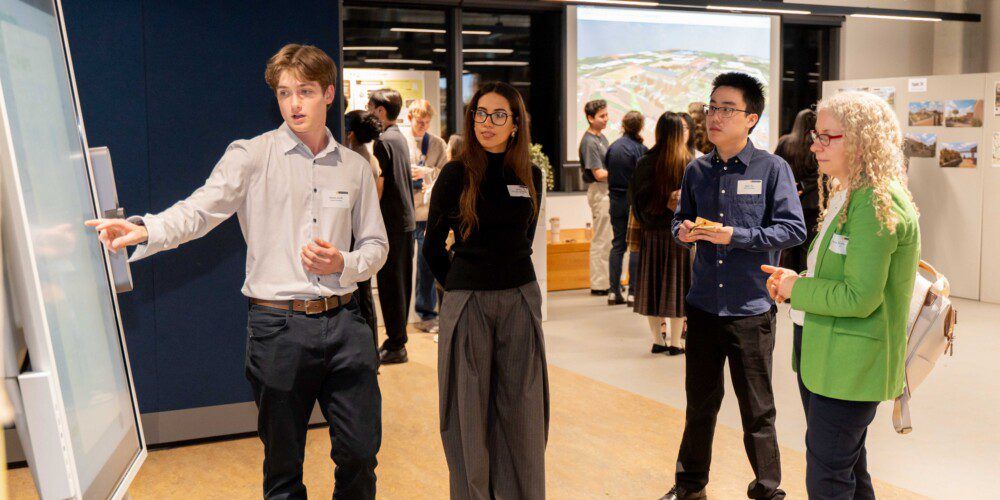
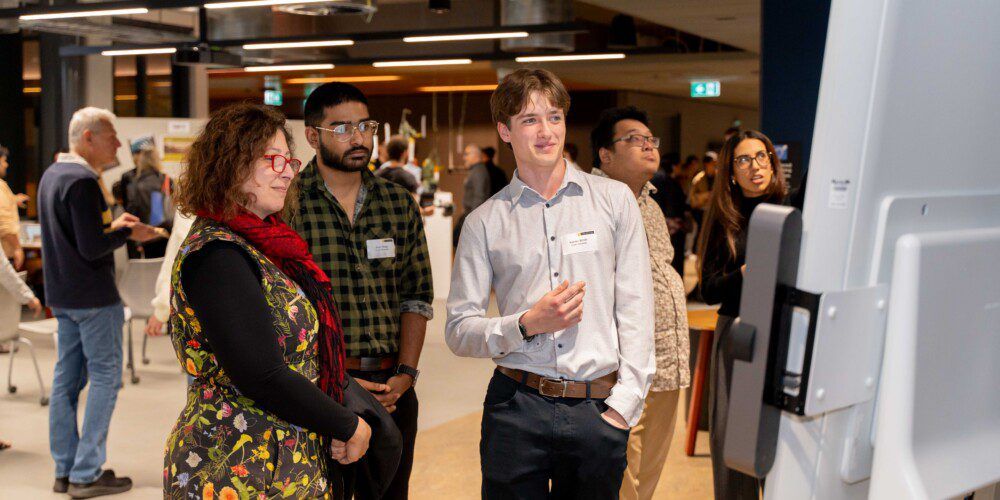
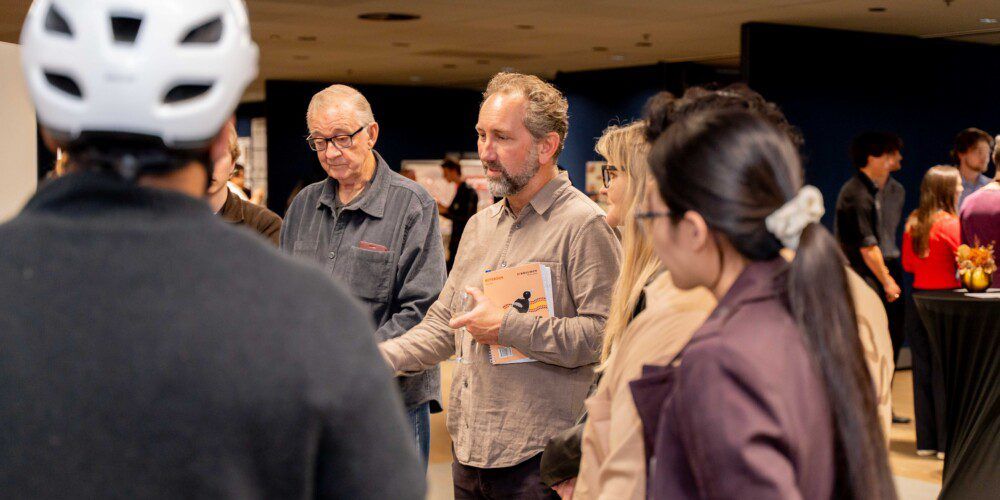
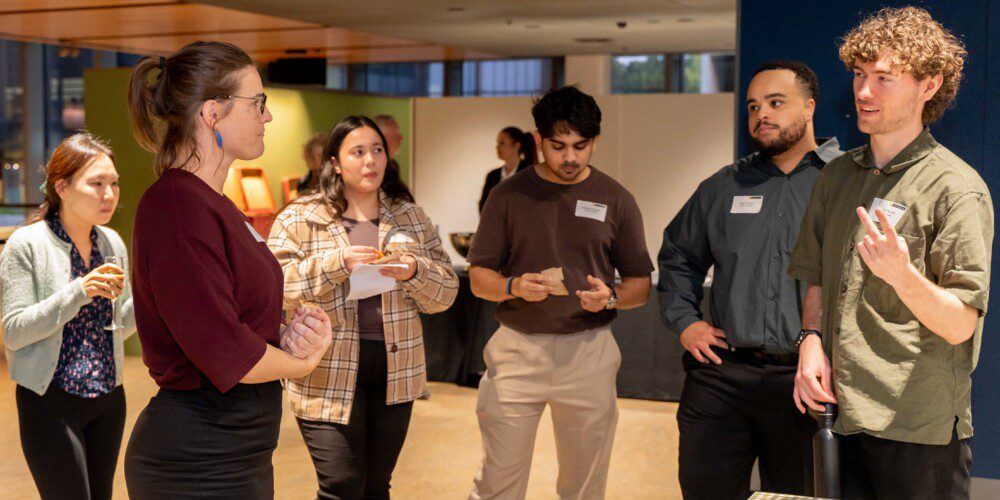
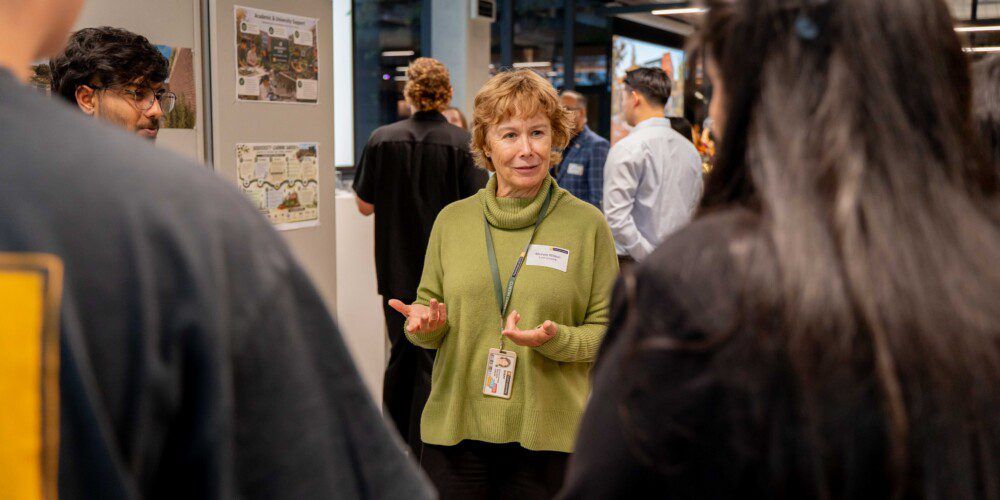
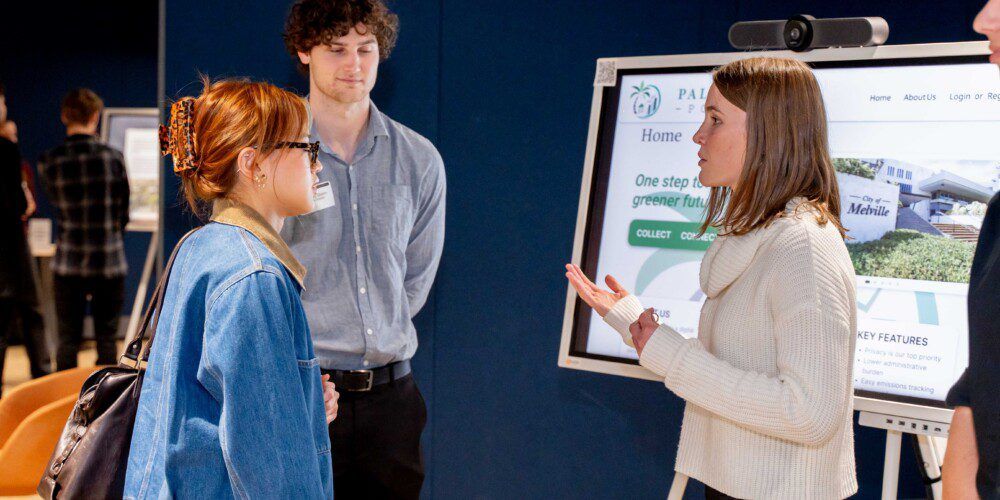
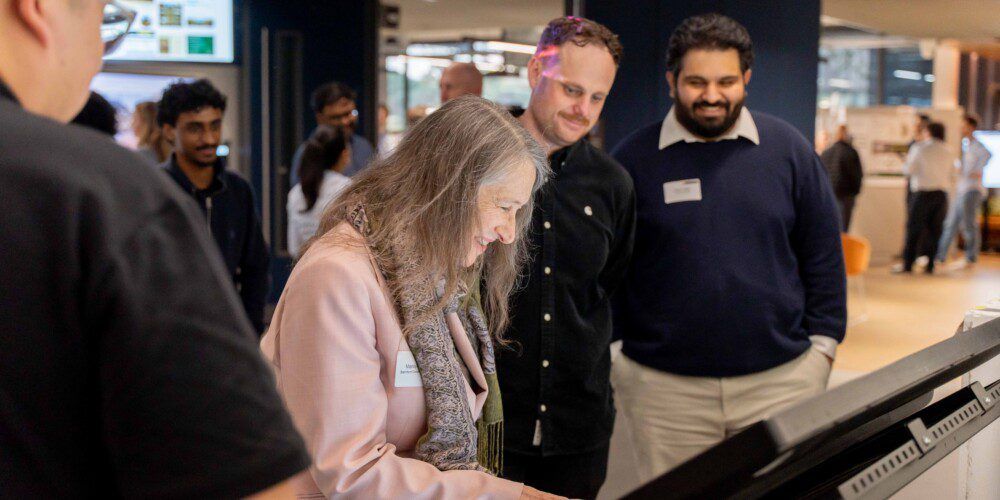
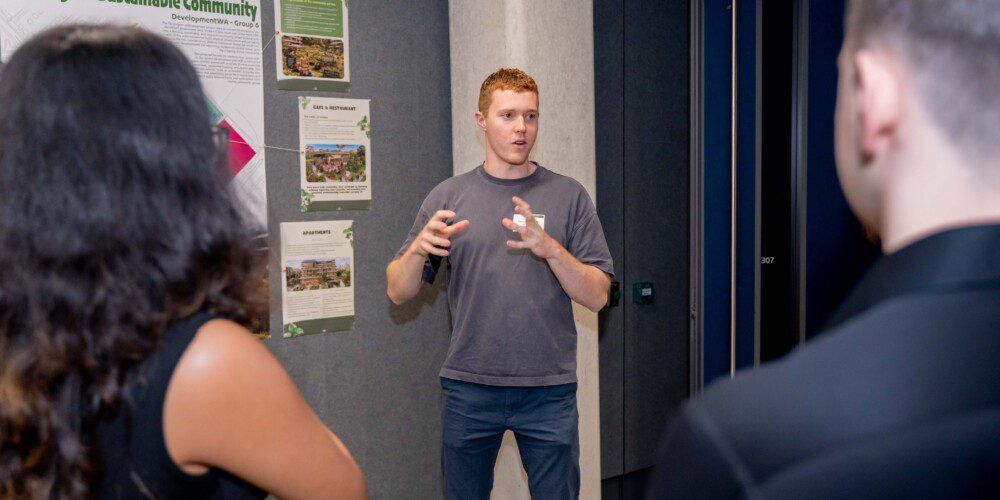
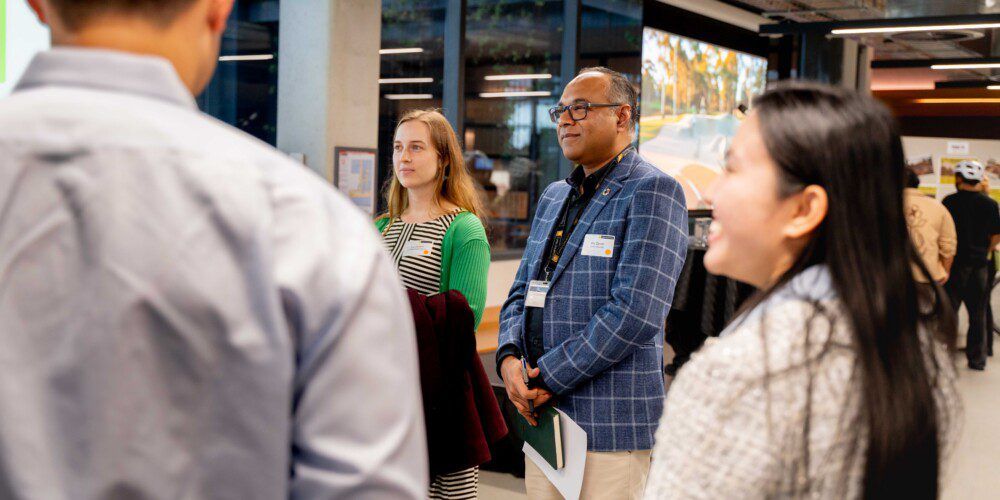
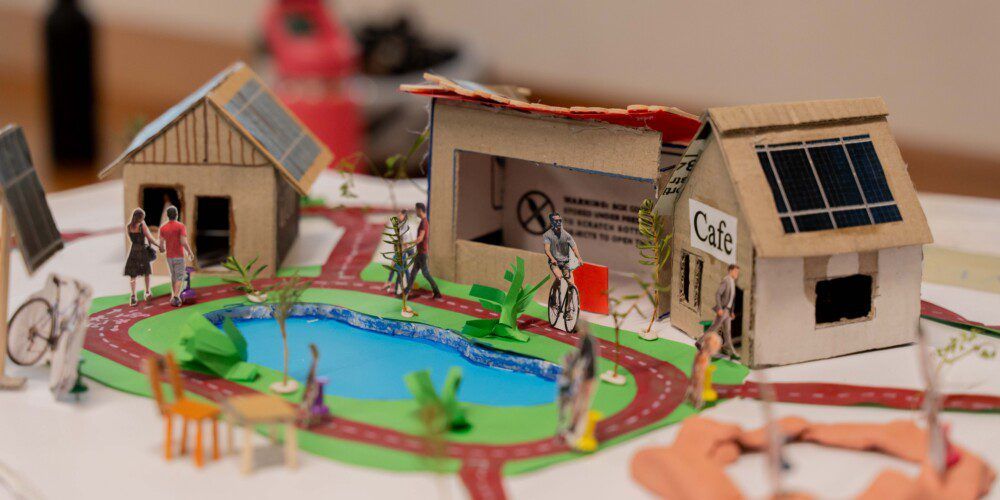
This year’s showcase also introduced a new element, the People’s Prize, in recognition of the fifth running of the Sustainability Challenge at Curtin’s Bentley campus. Guests were invited to vote for the student team whose idea resonated most, whether through the strength of their pitch, the quality of their work or the passion behind their proposal.
While the prize added excitement to the evening, Professor Byrne reminded students and guests that the heart of the challenge remained collaboration.
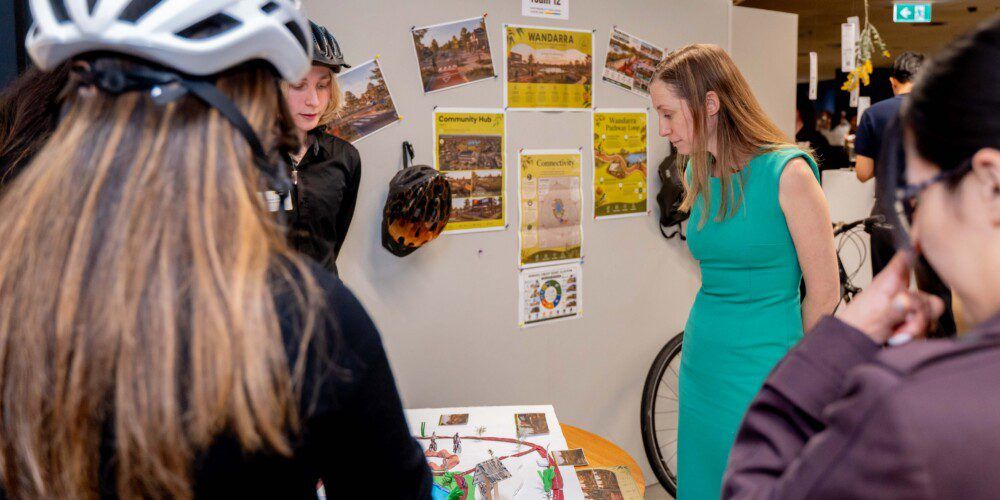
As students presented their final work to guests, external partners and the wider Curtin community, the Sustainability Challenge 2026 showcased what can happen when students are trusted with real problems and supported to think beyond disciplinary boundaries.
More than a final presentation, the showcase reflected five years of growing momentum for a program grounded in practical learning, strong partnerships and a shared commitment to building more sustainable futures.
Watch the Highlights Video Here
Upcoming Sustainable Futures Challenges
To learn more about upcoming Sustainable Futures Challenges, please contact humanities-futures@curtin.edu.au