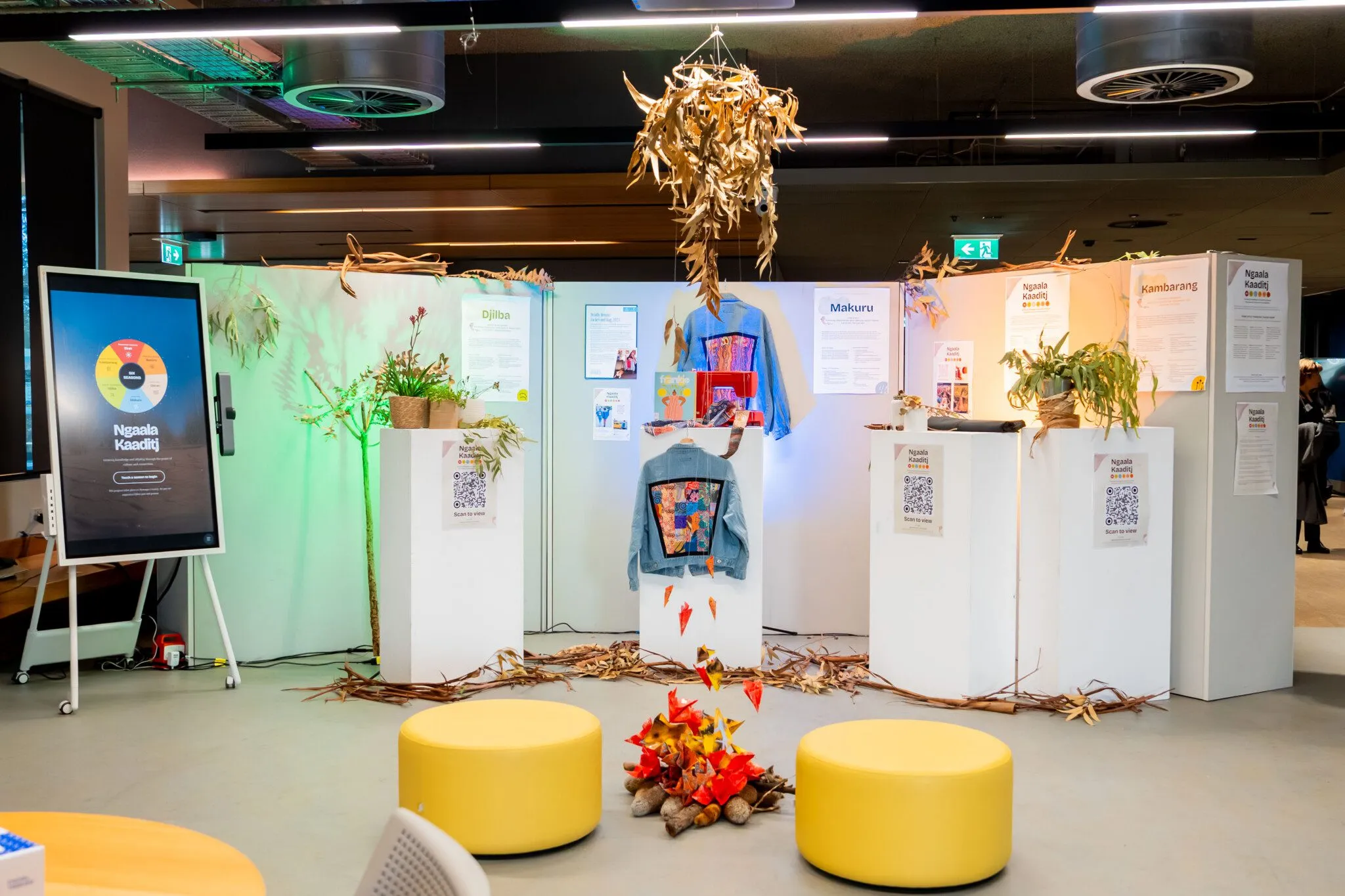
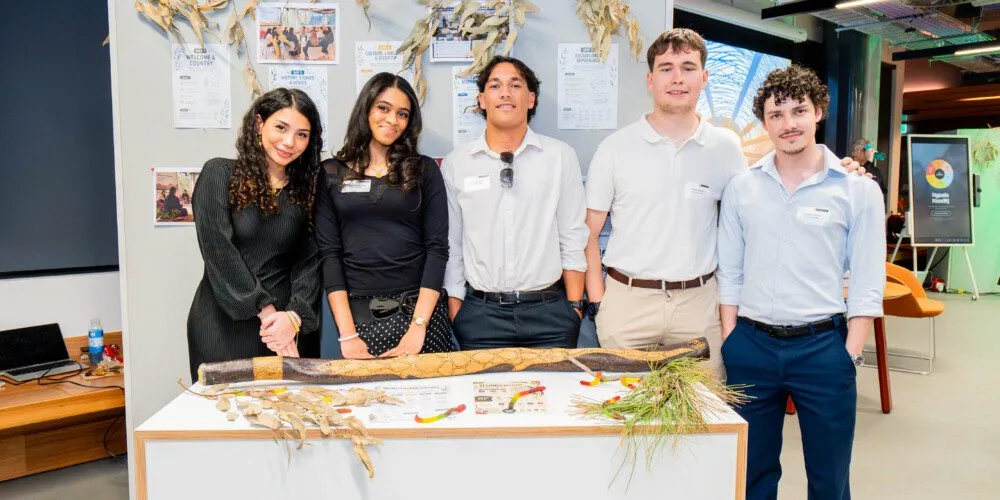
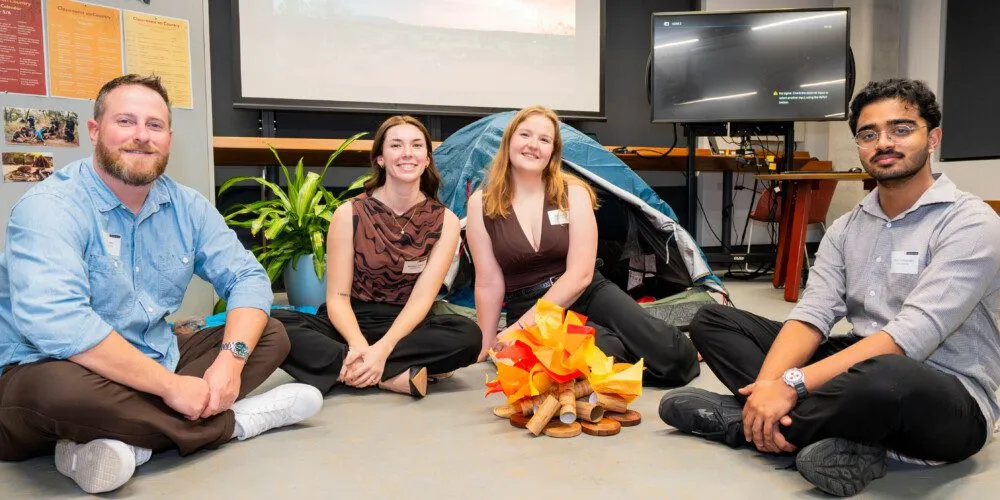
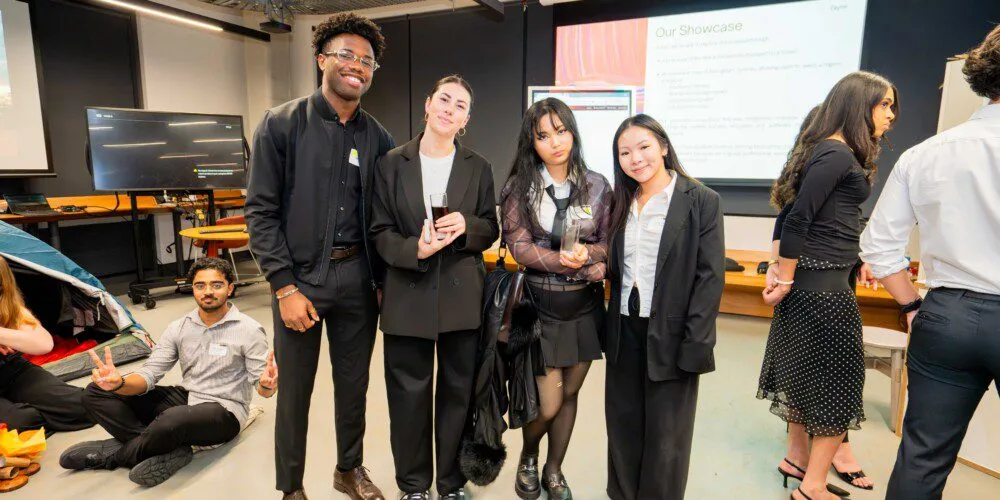
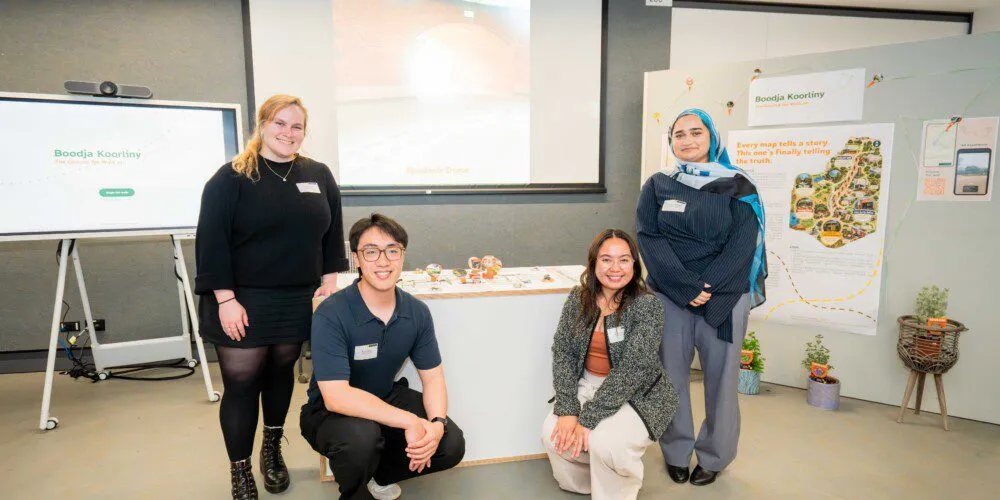
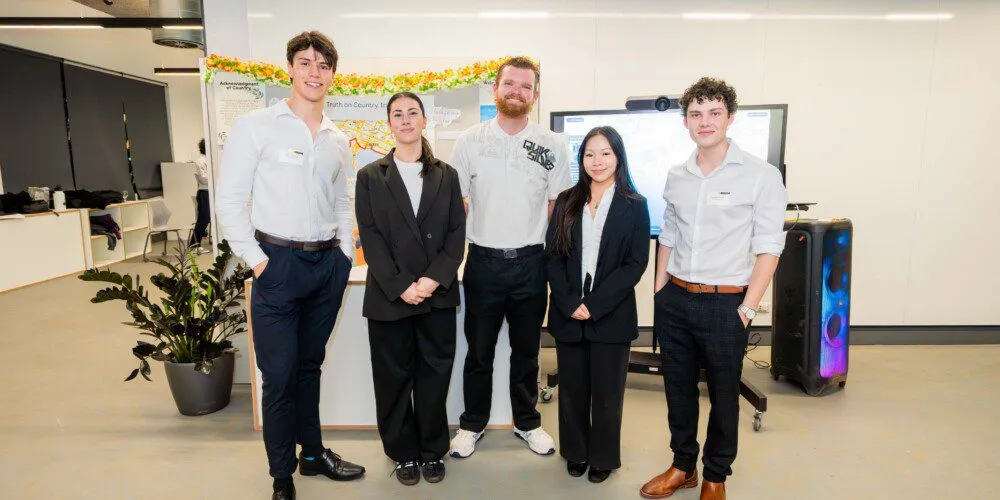
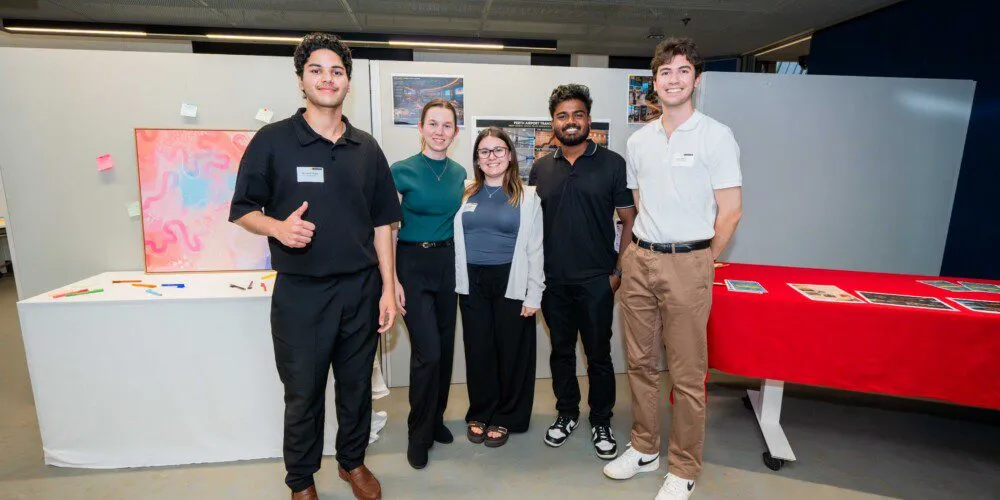
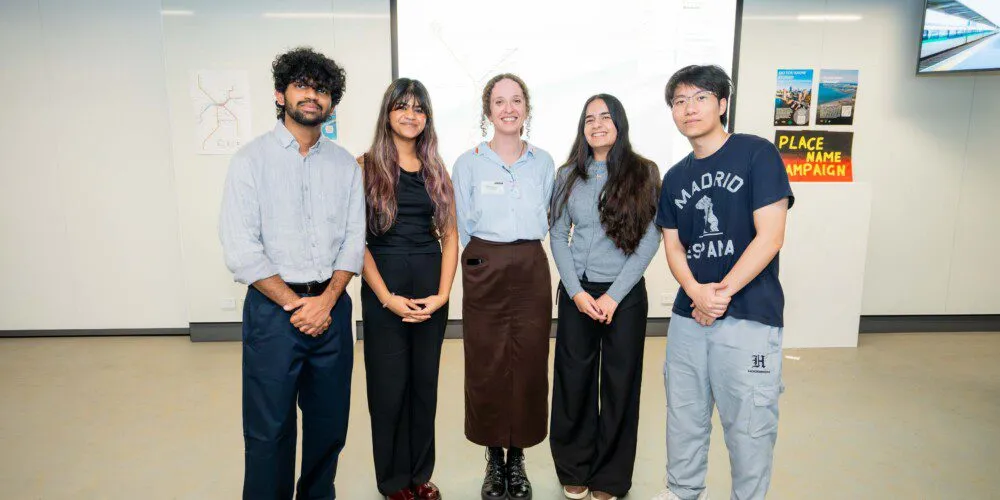
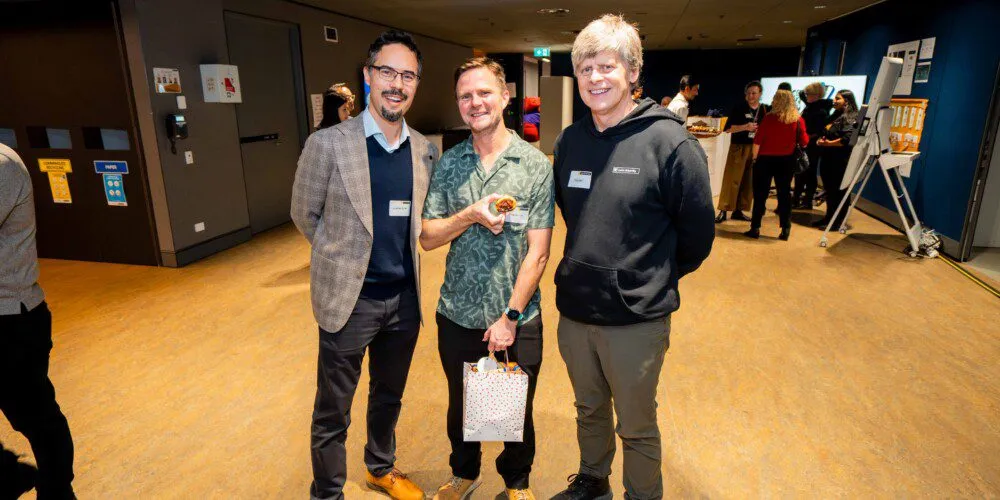
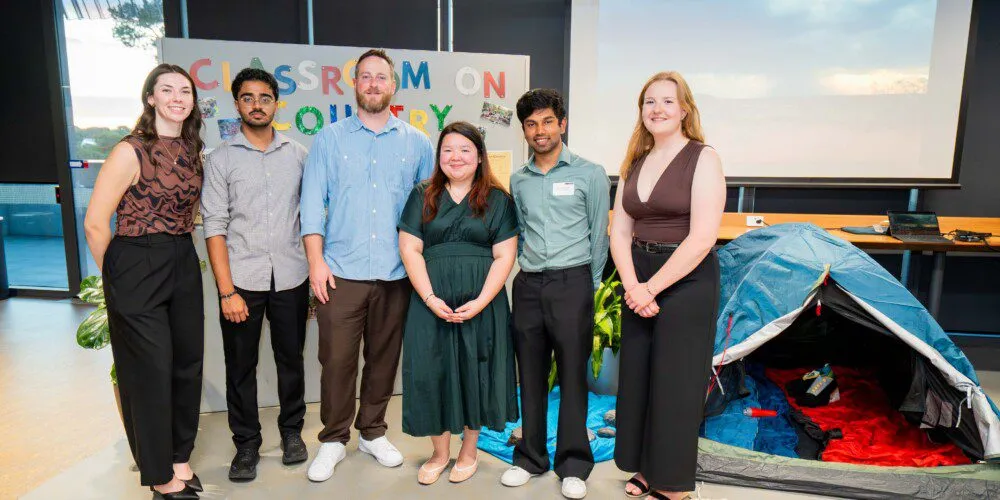
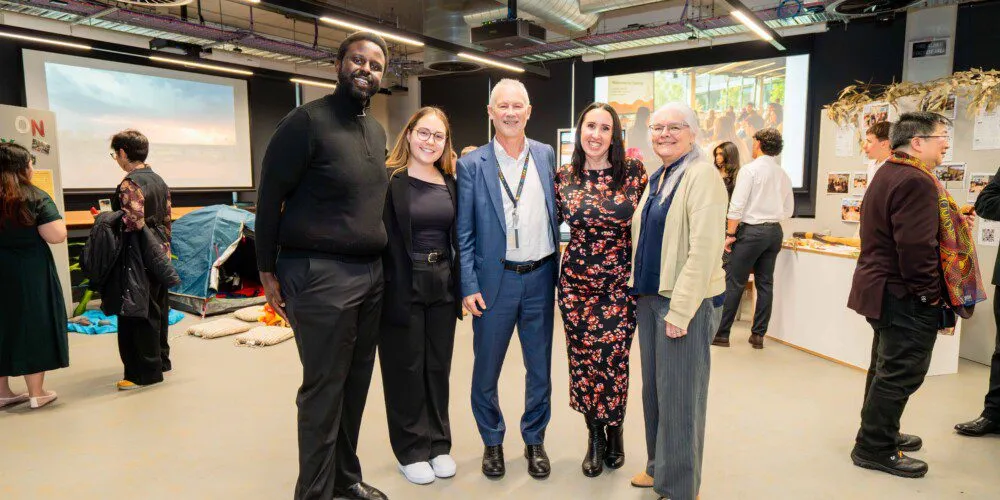
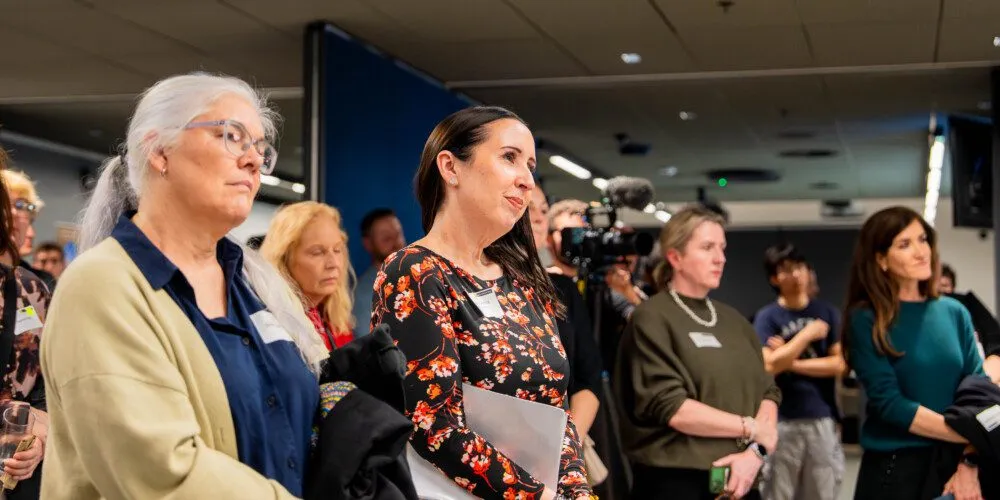
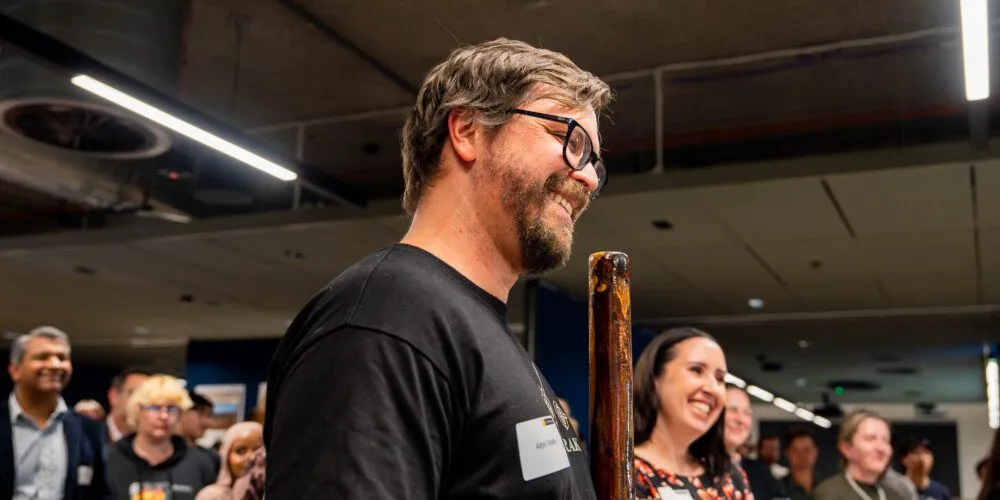
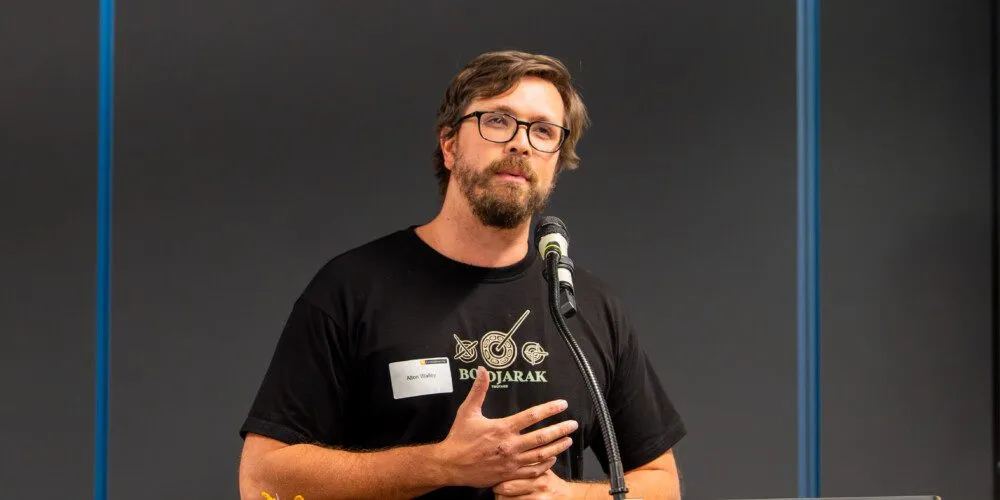
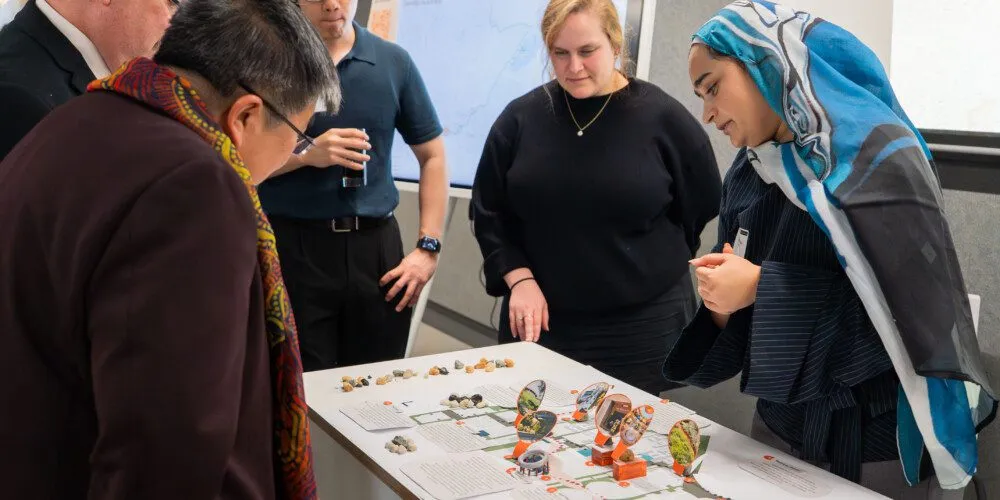
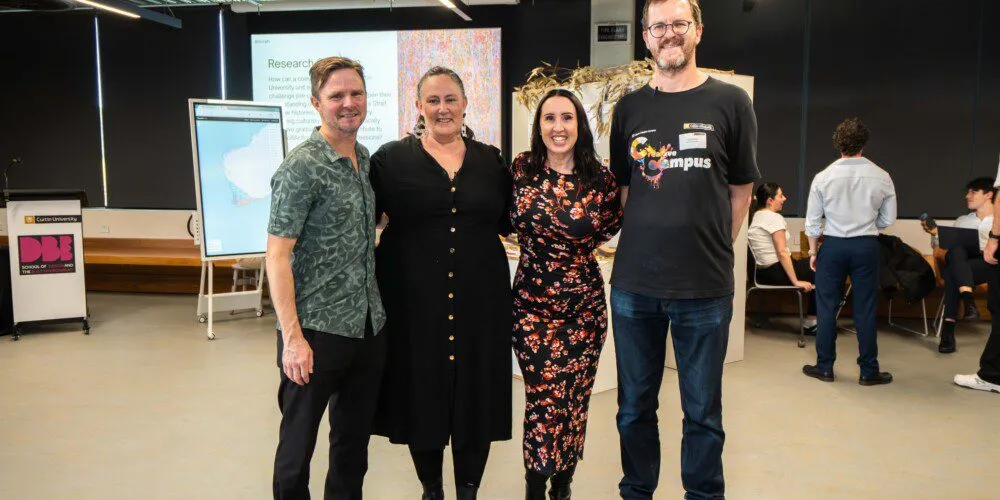
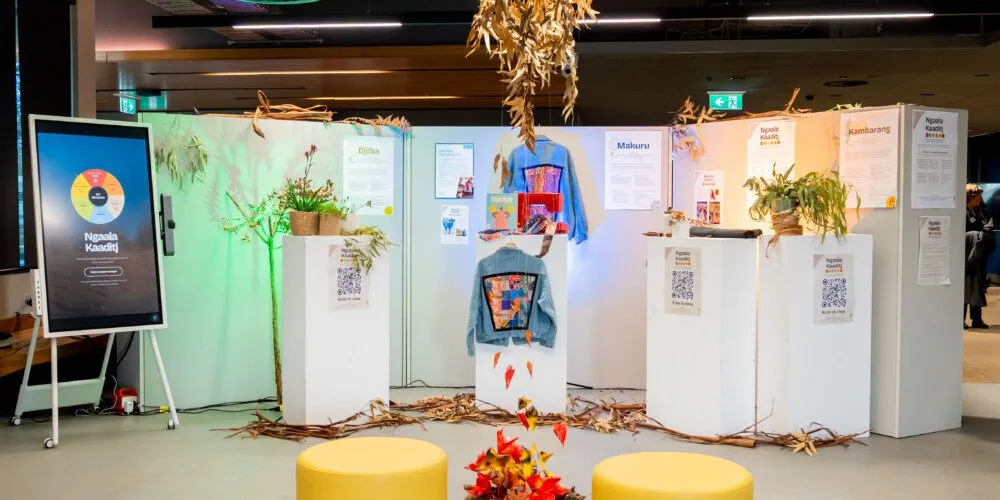
More than 100 students, staff, industry partners and community members gathered this week to celebrate the conclusion of Curtin University’s 2026 Indigenous Futures ‘ReconciliAction’ Challenge, a week-long immersive program challenging participants to consider a timely and complex question in response to the 2023 referendum: The country said no, so now what?
Now in its third year, the challenge brought together undergraduate and postgraduate students from across all faculties and disciplines to explore reconciliAction through truth-telling, collaboration and action. Guided by academics, community leaders, industry partners and knowledge holders, participants were encouraged to move beyond discussion and consider how they could contribute to meaningful change in their future professions and communities.
Curtin Faculty of Humanities Pro Vice-Chancellor, Richard Blythe, said the challenge reflected the power of bringing together diverse perspectives to imagine new futures.
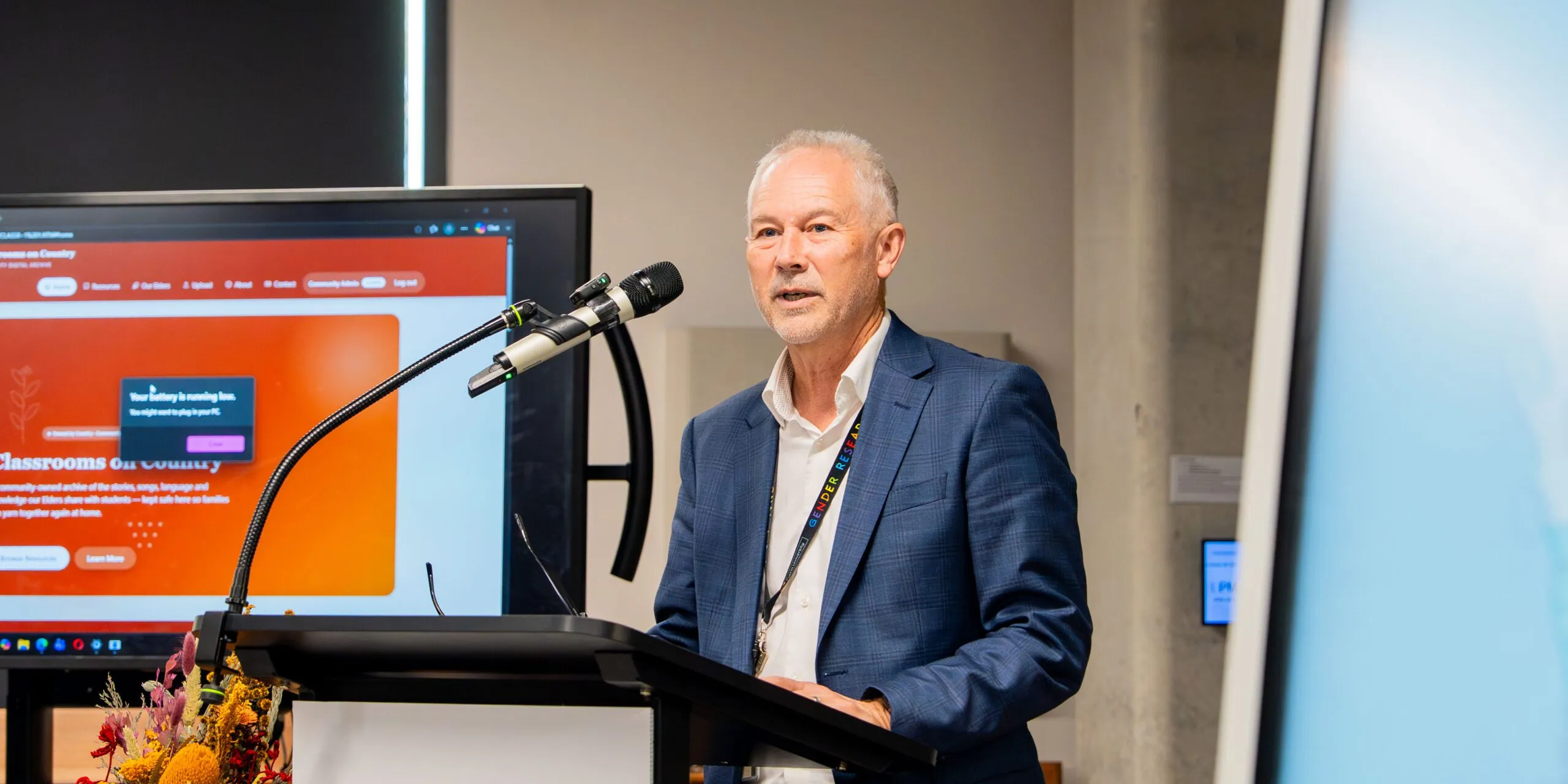
“One of the great things that happens when you bring people from different disciplines, different perspectives and different ways of knowing together is that you get to see the world from multiple perspectives at the same time,” Professor Blythe reflected.
“We have at our disposal an incredible cultural perspective going back 65,000 years. When we combine that knowledge with different disciplines and experiences, we create opportunities to imagine what a different kind of future could look like.”
Professor Blythe described the challenge theme as both confronting and hopeful.
“The country said no, so now what? It’s a terrific question. It’s an incredibly positive question when you really dig into it.”
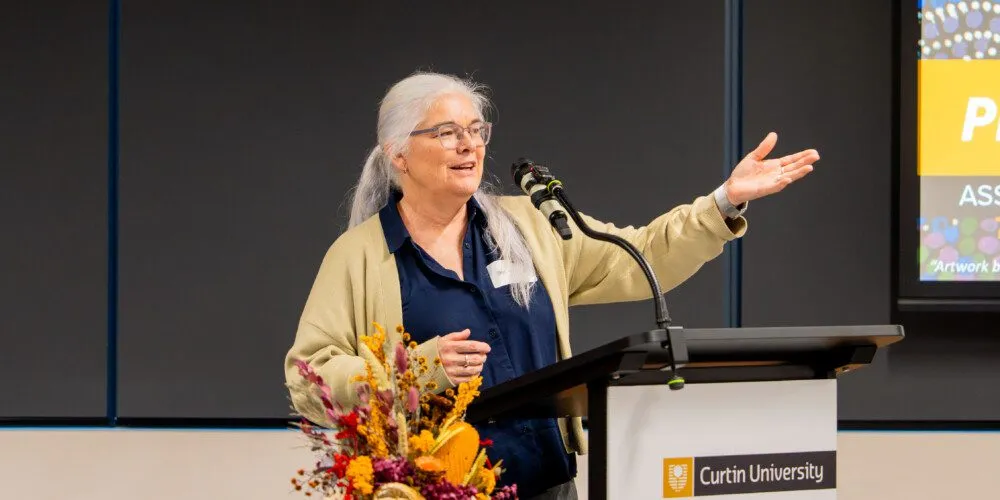
For Dean of Indigenous Futures, Associate Professor Mandy Downing, the challenge represents a commitment to moving beyond symbolic gestures and towards action.
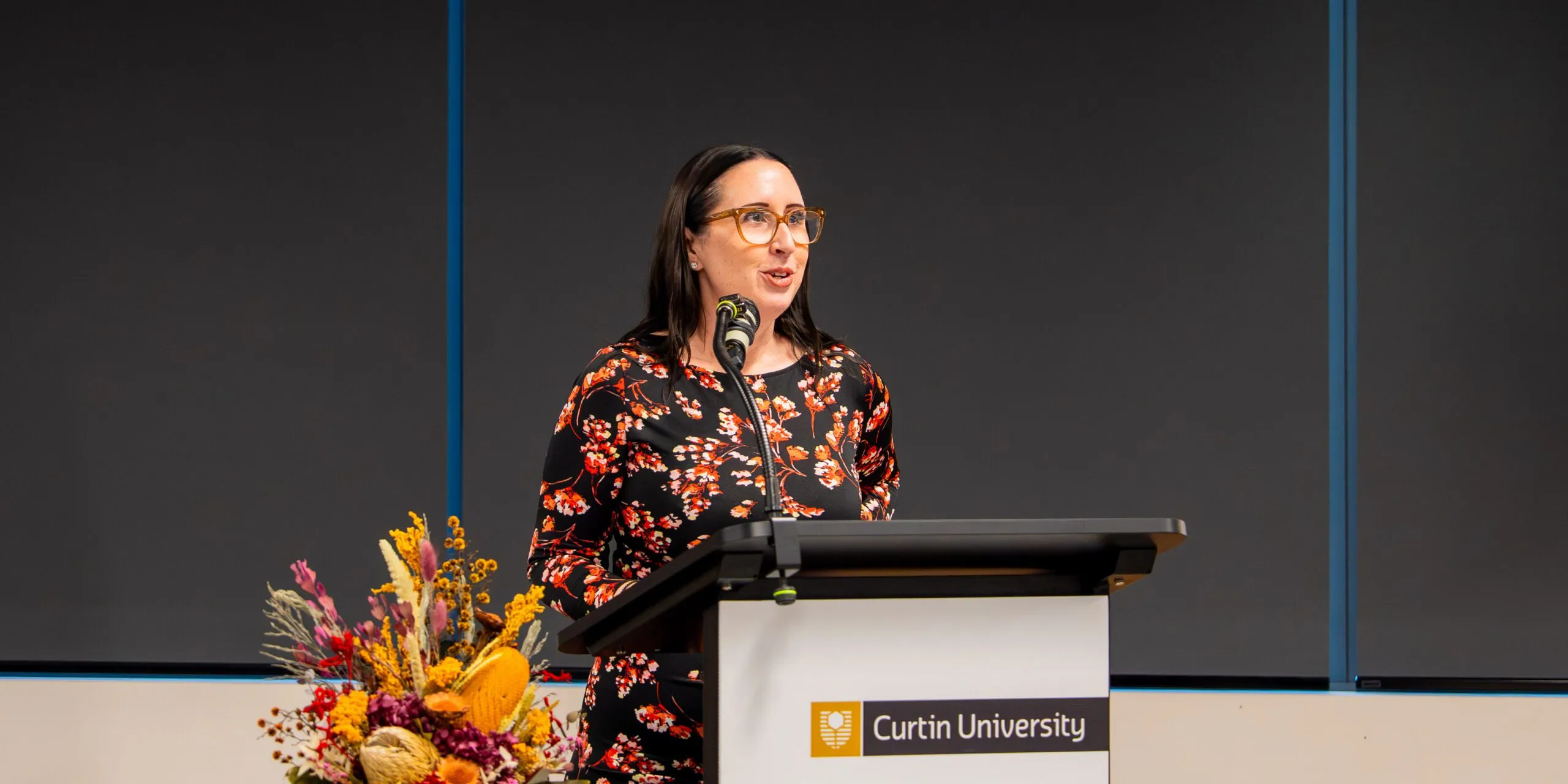
“Tonight, we celebrate a remarkable collective of Curtin students who answered a genuinely difficult question, one that has hung in the air since the 2023 referendum,” Associate Professor Downing said.
“In the aftermath of the referendum, much of the public conversation drifted into silence while division continued to grow. ReconciliAction offers a way forward.”
Associate Professor Downing explained that ReconciliAction is a framework grounded in truth-telling and critical social action, encouraging participants to engage with difficult conversations and translate learning into meaningful outcomes.
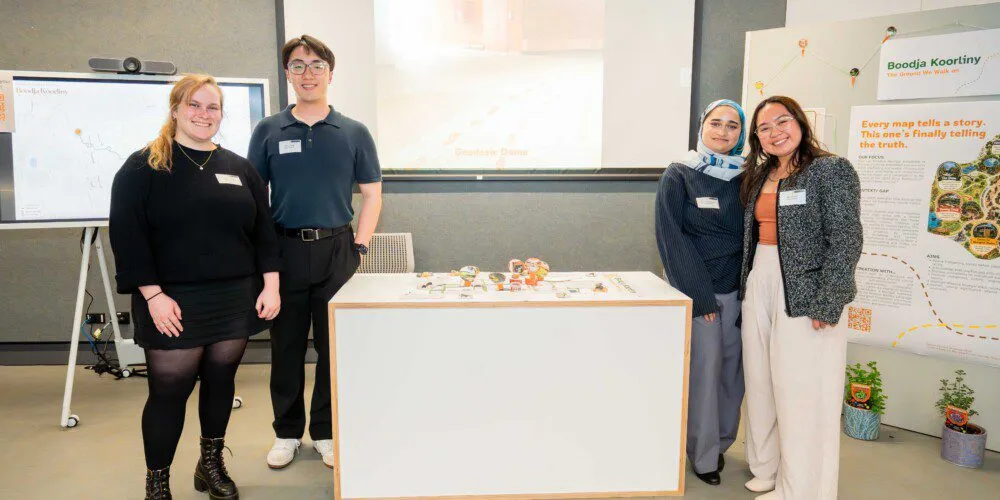
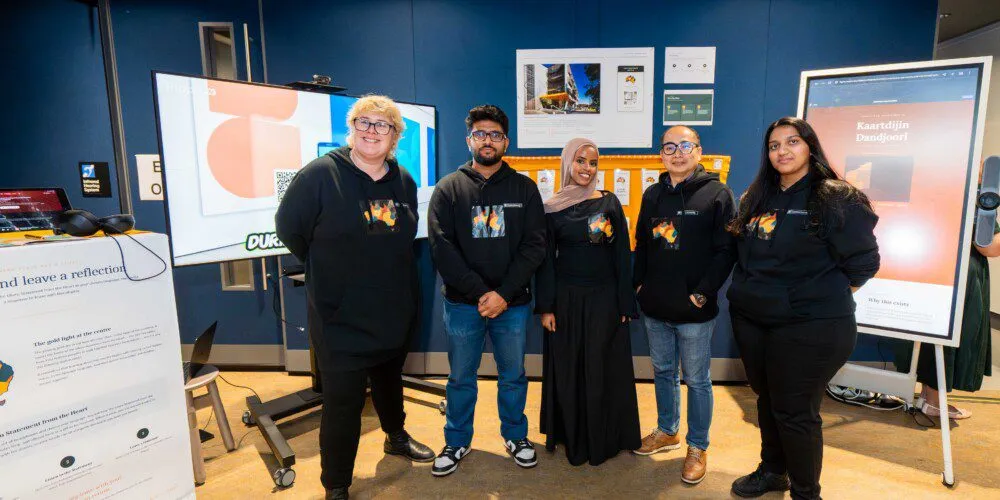
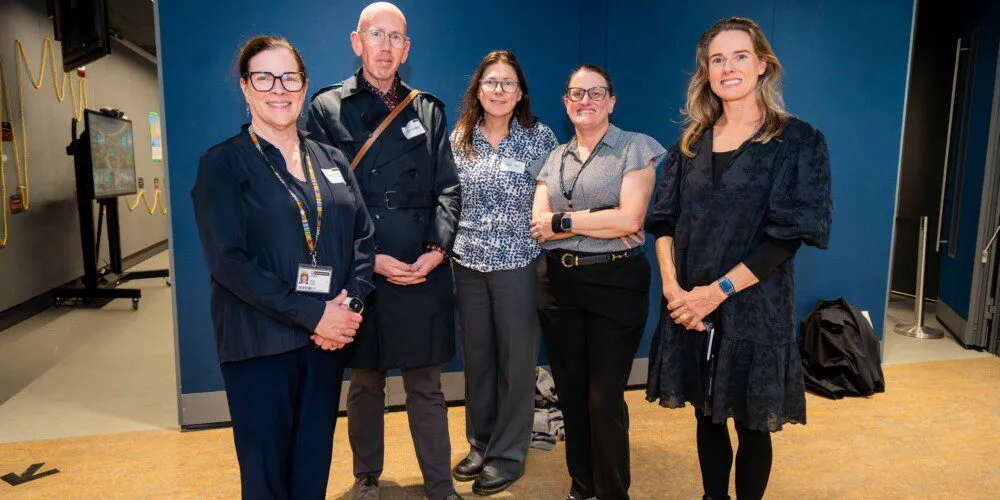
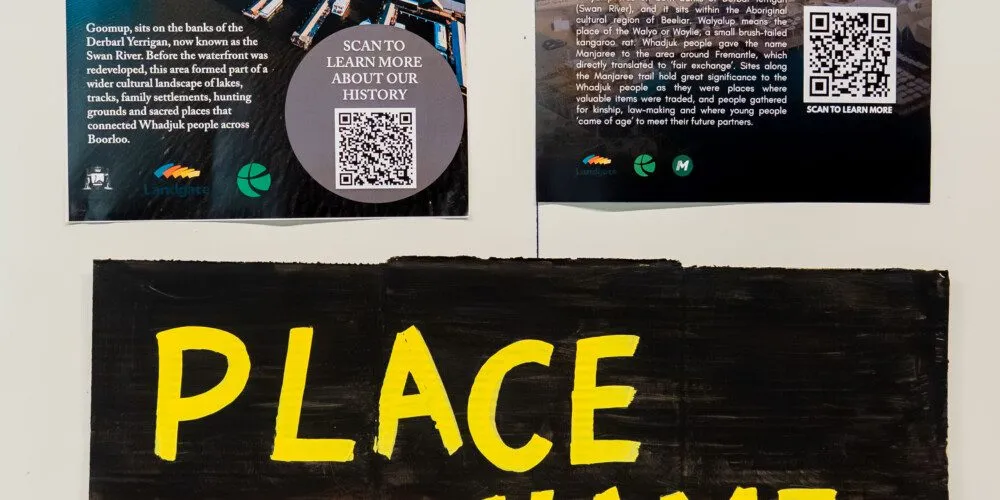
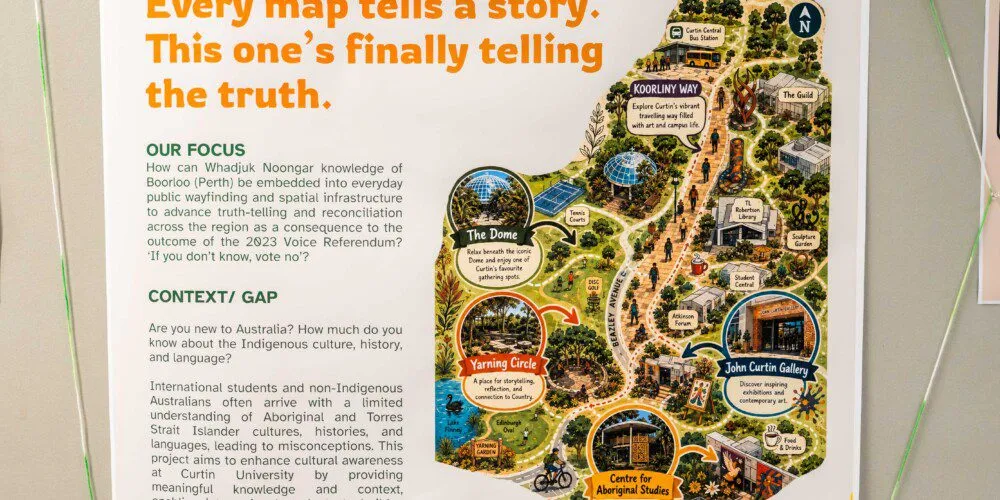
This year’s challenge welcomed students from every faculty, alongside four professional staff members from the Faculty of Humanities who completed the program as part of a professional development pilot. Together, participants worked across disciplines, sharing perspectives, challenging assumptions and developing proposals aimed at advancing reconciliAction in practical ways.
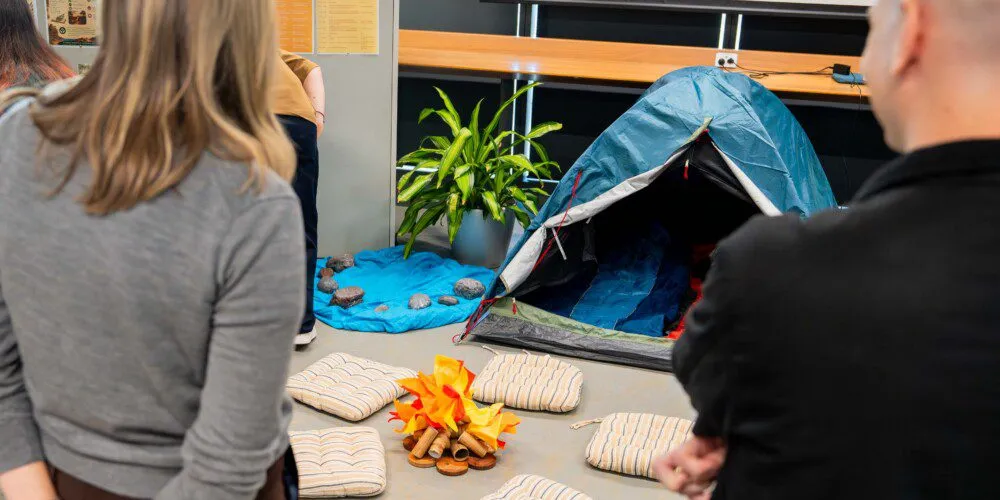
A defining feature of the challenge was its emphasis on Indigenous ways of learning and knowing. Throughout the week, students engaged in yarning circles, reflective practice and deep listening, spending less time on devices and more time connecting with one another, guest speakers and community members.
One particularly meaningful moment occurred on 1 July, when participants sang Happy Birthday to Elders whose births were never officially recorded and who were assigned 1 July as their birth date.
“What made this week extraordinary wasn’t just what was explored. It was how,” Associate Professor Downing noted.
The challenge was supported by a wide range of guest speakers, knowledge holders, community representatives and industry partners who generously shared their time, experiences and perspectives throughout the week.
“The sheer number of people, particularly from community, who volunteered their time and knowledge tells me something important,” Associate Professor Downing said.
“We’re on the right track. We’re delivering work that aligns with Indigenous priorities, and people can feel that.”
For many students, the experience proved transformative.
Bachelor of Education student Chelsea Smith said the challenge encouraged her to rethink how she approaches learning, relationships and reconciliation.
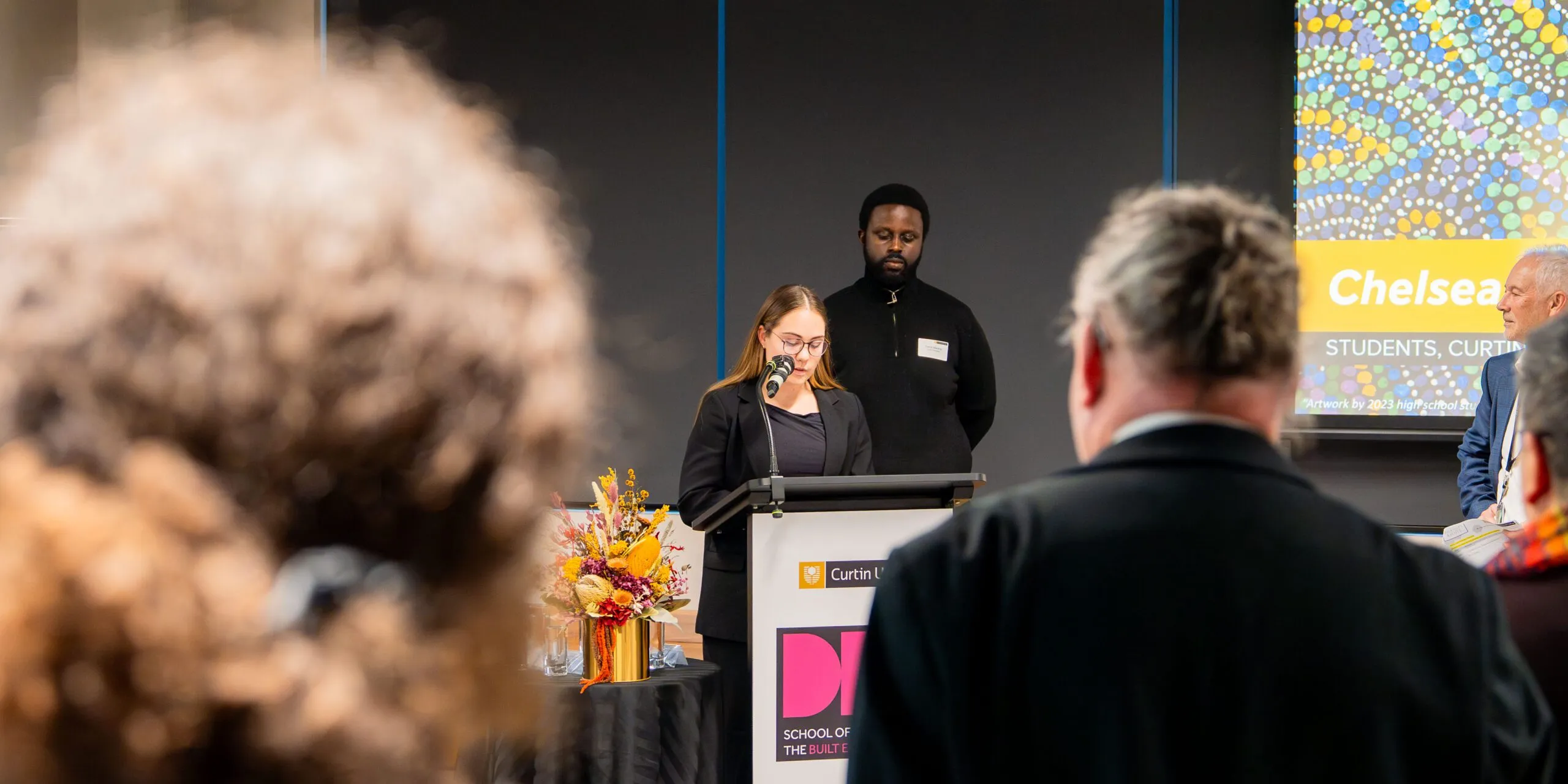
“This unit didn’t just teach me about reconciliation. It challenged me to begin decolonising my own thinking,” Chelsea reflected.
“It encouraged me to question assumptions, listen before I speak, embrace different ways of knowing, being and doing, and recognise that growth begins with openness to keep learning.”
Chelsea described the challenge as one of the most impactful learning experiences of her degree and believes opportunities like this should be embedded across university education.
“If the university is preparing us for the future, then learning that challenges our thinking, builds relationships and inspires action shouldn’t be the exception, it should be the expectation.”
Bachelor of Engineering student Trevor Mwangi highlighted the importance of listening, collaboration and carrying lessons beyond the classroom.
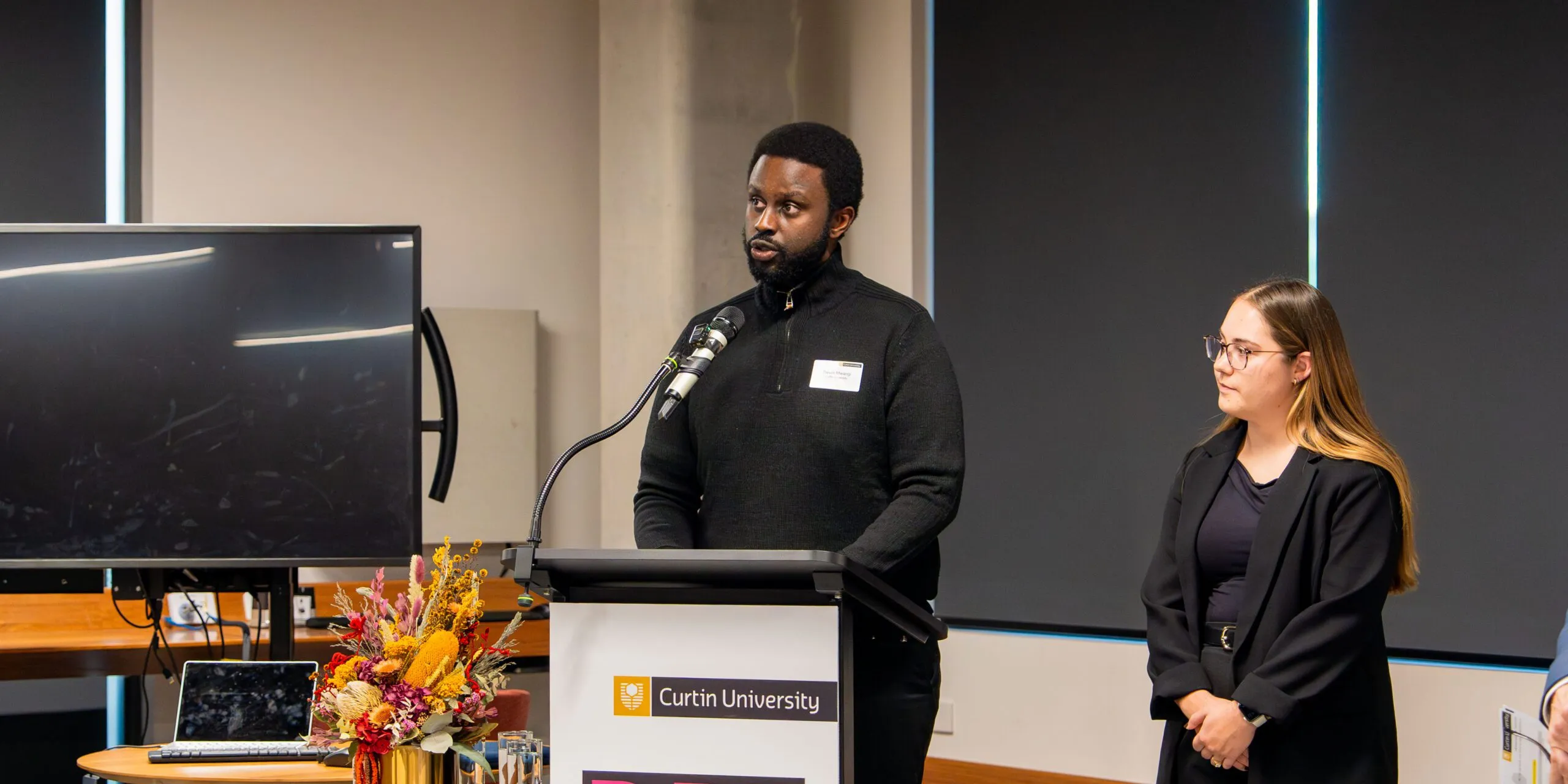
“Throughout the week, we were challenged not only to think differently, but to listen differently,” Trevor shared.
“Real reconciliation isn’t measured by what we know. It’s measured by what we choose to do with that knowledge.”
Closing the showcase, Gretchen Benedix, Associate Deputy Vice-Chancellor Research, reflected on the significance of the students’ work and the momentum being created through initiatives such as the ReconciliAction Challenge.
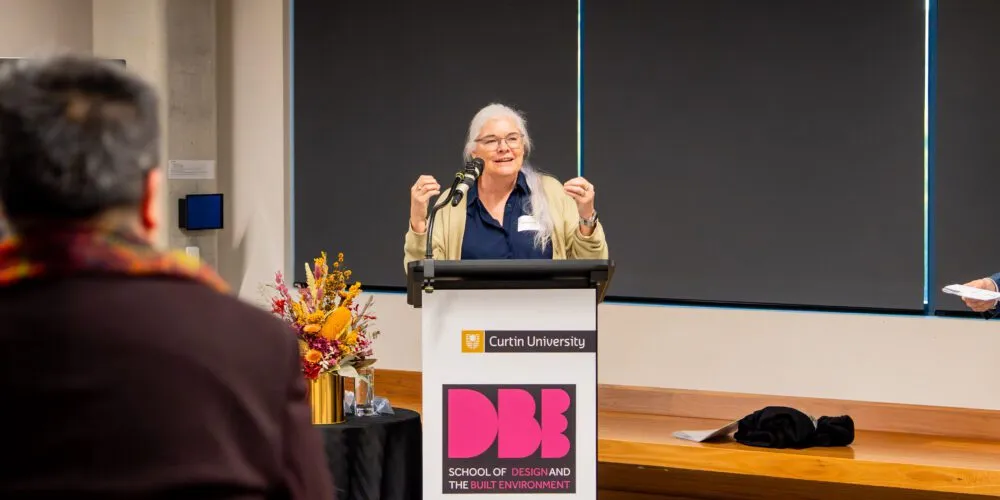
“The country said no to a Voice, but what I’m seeing here is that the voice is building,” Professor Benedix said.
“This is the voice. You can take it out there and build it and make it grow. You don’t need a vote for that, you just do it.”
As the third Indigenous Futures ReconciliAction Challenge comes to a close, participants leave not only with new knowledge, but with a shared responsibility to act on what they have learned. The challenge may have started with a question, but for many students, it has become a call to action.
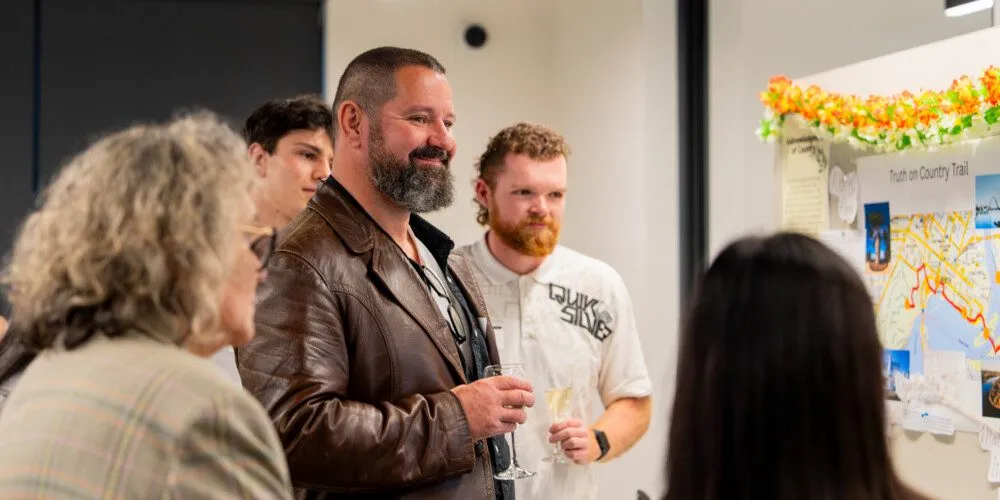
Watch the Highlights Video Here
Upcoming Indigenous Futures Challenges
To learn more about upcoming Indigenous Futures Challenges, please contact humanities-futures@curtin.edu.au