• Apply now
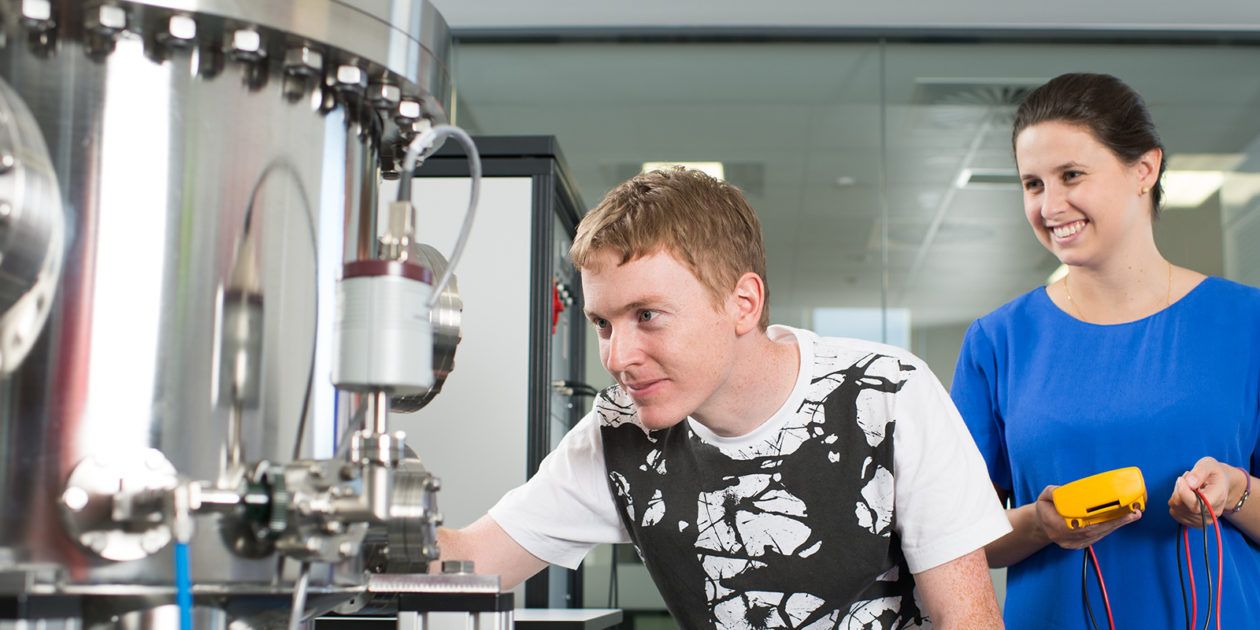
  • Electrical Engineering student working on a project
    SPUE-ENCOT

    Energy Conversion Technologies Specialisation

    Undergraduate specialisation

    Course outline
    • Qualification
      Energy Conversion Technologies Specialisation
    • Credit

      Credit

      100
    Course outline

    You can study this course as part of the following degree

    Visit the degree page for information on admission criteria, course fees and study locations.

    Course outline

    Overview

    Overview

    The student will gain insights into the field of energy conversion technologies with a broad understanding of the various challenges and appropriate pathways for managing industry’s transition to renewable energy sources. It covers the fundamentals and applications of natural gas processing, heat and electrochemical energy storage and conversion. Energy conversion implies a hierarchy of processes by which energy is transferred from one form to another, with increasing levels of complexity and reducing efficiency of the raw energy use. Typically, the hierarchy has the following levels:

    1. Main energy sources: These include nuclear energy, solar energy, wind energy, hydropower, and geothermal energy. Fossil fuels (coal, oil, and natural gas) are also included in this category.
    2. Energy carriers are the intermediary forms of energy that are simple to move around and can be utilised to power a variety of systems and equipment. Electrical energy, hydrogen, and liquid biofuels are a few examples of energy transporters.
    3. End-use applications: These are the last uses for energy, where it is put to use to carry out useful tasks like running industrial processes,  powering transport and heating air conditioning and ventilation.

    What you'll learn

    • Demonstrate a conceptual understanding of fundamental science, mathematics, data analytics, information science, sustainability principles and/or computing, GC1
    • Solve energy conversion engineering problems of industrial and societal significance via innovative and creative design or research, working individually or in teams, GC2
    • Select and use current and emerging technologies to develop and communicate effective and innovative chemical engineering solutions to complex problems, GC3
    Credit for recognised learning (CRL)

    Use your experience to get credit towards your degree

    Finish your course sooner with credit for your previous study or work experience.

    Fees and scholarships

    Fee information is not available for this course at this time. Find estimated course fees.

    Looking for more detail on the course structure?

    View course structure
    • The offering information on this website applies only to future students. Current students should refer to faculty handbooks for current or past course information.

      The information on this page may be subject to change. In particular, Curtin University may change the content, method or location of delivery or tuition fees of courses.

      While Curtin uses reasonable efforts to ensure that the information provided on this page is accurate and up to date, errors and omissions sometimes occur. Curtin makes no warranty, representation or undertaking (expressed or implied) nor does it assume any legal liability (direct or indirect) for the accuracy, completeness or usefulness of any information.

      View courses information disclaimer.

    • Curtin course code: SPUE-ENCOT
    • Last updated on: 15 March 2026

    Got a question? We’re here to help.

    Call 1300 222 888 Send us an email Ask us a question Book an appointment

    Bachelor of Business Administration (BBA) Specialisations

    Bachelor of Commerce Specialisations

    Bachelor of Innovation Specialisations

    Learn more about Commerce

    Apply for Energy Conversion Technologies Specialisation