Course overview
This course explores areas of biology that are related to human health and disease. It also provides the flexibility to tailor your studies to your preferred career – from vaccine development to formulating new pharmaceuticals.
The course is ideal if you’re interested in combining biology with medicine for a career at the forefront of health science and innovation.
Career outcomes
Life scientists jobs across Australia are projected to grow by more than 19% by 2035.¹
Careers
- Clinical or life scientist/researcher
- Biotechnologist
- Molecular geneticist
- Anatomist
- Forensic scientist
- Physiologist
Industries
- Clinical health
- Clinical/medical research
- Biotechnology
- Biomedical infrastructure
- Pharmaceutics
- Health policy
- Tertiary education
¹ Source: Jobs and Skills Australia – Employment Projections.
Why study at Curtin?
Broad career options
Major or specialise in high-growth areas such as Human Biomedicine, Molecular Genetics, Microbiology and Pharmacology.
Hands-on learning
In our Physical Containment Level 2 Laboratory, you can analyse samples and report results in the same way as a real industry pathology laboratory.
Explore your interests
Let your interests guide you by studying optional units in reproductive technologies, bioinformatics, forensics and psychology.
Hear from our students
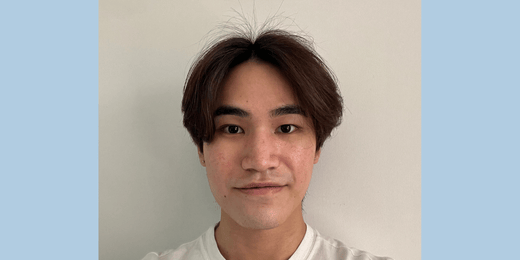
"From studying pharmacology and learning about biotech, to taking part in a global placement, I've enjoyed a broad range of experiences that will help build my career. I’m aiming to work in the development of new treatments to tackle the ever-changing challenges in global health."
Justin Chan
Bachelor of Biomedical Sciences
Your student experience

Work-integrated learning at Curtin: explore a Universe of opportunity
Develop real-world experience before you graduate. Learn how work-integrated learning helps you build career skills and connect with industry early.

Thinking about uni? Five reasons Curtin could be your best move
Not sure if uni is for you? Explore five clear reasons students choose Curtin – from flexible pathways and support to real-world skills and outcomes.

Find your entry pathway to Curtin
You may be finishing high school, coming from TAFE, or just thinking of a career change; but whatever your background, there’s an entry pathway to Curtin for you.
Course structure
What you’ll learn
In your first year, you will study human biology, genetics, cell biology, microbiology and immunology; and areas of biostatistics, chemistry and science communication.
You’ll then select either one or two majors, plus specialisations and optional units. All options combine theory with practical laboratory sessions, where you’ll work on real-world industry scenarios.
Detailed course structure and unit information
For detailed information and course structure, visit our Handbook.
Customise your degree
Design your studies to match your ambitions and interests with a choice of majors, specialisations and optional units.
Majors and specialisations
You can choose to study one or two majors from Human Biomedicine, Molecular Genetics or Pharmacology.
If you select a single major, you can add a health specialisation in Cell Biology, Human Genetics, Human Pathology, Immunology, Microbiology or Pharmacology. Or, you can choose another discipline specialisation, such as Corporate Governance.
Human Biomedicine
Biomedicine is the application of biological and physiological principles to clinical practice.
In this major, you will learn applied human anatomy, physiology and neuroscience, and gain laboratory experience using cadaveric specimens and physiology equipment.
If you study the Human Pathology specialisation, your learning will include clinical pathophysiology and neurophysiology, which will prepare you for a career as a clinical physiologist.
Molecular Genetics
In this major, you will learn about genetics and genomics, and how universal principles and advances in this area can improve health outcomes.
You'll study molecular biology, human genetic disease, bioinformatics and genetic engineering – learning theory alongside laboratory practice – and explore advanced technology for molecular and genetic analyses.
You'll also develop skills in critical thinking and science communication.
Pharmacology
Pharmacology explores the effects of drugs on organisms, and is the foundation for a career in drug discovery and development.
In this major, you'll learn about the action of drugs against microorganisms and the pharmacological management of health conditions.
You’ll undertake computer-based simulations and laboratory work covering molecular, cellular and physiological responses, and learn drug analysis techniques.
You’ll also explore drug design and development and study the dose–response relationship – including toxicity, drug metabolism and elimination, and how population genetic variation influences drug response.
Optional units
You can study optional units in career-specific areas such forensics, bioinformatics, psychology and reproductive technologies.
Entry requirements
To study this course, you must meet the entry criteria:
- any course-specific requirements
- course ATAR, or equivalent, demonstrated via an accepted entry pathway
- English language requirement.
I am an international student
Studying on an Australian student visa? See entry requirement details for international students.
Minimum ATAR entry required
This course requires you to achieve a minimum ATAR/selection rank to be considered for entry, but does not guarantee selection.
Course-specific requirements
You’ll also need to meet any specific requirements to be eligible to apply for this course.
Entry pathways
There are different ways to meet our academic entry requirements. Choose the option that best suits the highest level of education that you’ve achieved.
Curious how students entered this course? See the entry pathways other students have taken.
Study credit and support
You may be able to receive study credit or support based on your previous experience or personal circumstances.
Get credit towards your degree
You may be able to receive credit for recognised learning (CRL) from past study or professional experience, which could reduce the time it takes to finish your course.
Find specific details about CRL for this course on the Handbook.
Special consideration
If your studies were affected by circumstances beyond your control, you may be eligible for special consideration when applying to Curtin. This process is available to new applicants only and allows your application to be assessed in light of those circumstances.
Additional information
Notes about this course
Make sure you check the course notes for any other important information.
Fees
2026 Domestic indicative fees
Commonwealth-supported first-year fee
$9,600*
Important information about fees
- *Fees are indicative only
- First year fees are based on a first-year full-time study load of 200 credit points. Your fees will vary depending on the units you choose.
- This indicative fee does not include other fees like administrative and incidental fees (such as lab coats or art supplies) or the cost of your textbooks. Visit other fees and charges for more information.
Scholarships
Get the support you need to succeed with our diverse range of scholarships. Whether it’s financial support, assistance with relocation, or recognition for your academic achievements, we have scholarships tailored to your unique needs.
How to apply
Follow these steps to make sure you’re eligible, prepared and ready to apply for your course.
Check entry requirements
Entry requirements differ by course and your previous work and study experience.
Prepare your documents
The documents you need may vary depending on your course and application pathway.
Check application deadlines
Deadlines vary by course and whether you’re applying as a domestic or international student.
Choose your application pathway
I’m in year 12 or applying for Medicine
If you’re in year 12 or recently finished high school, you’ll need to apply through TISC.
You’ll apply through TISC no matter what you studied in high school, whether that was:
- ATAR
- General subjects
- Certificate IV
- or completing UniReady in Schools program.
TISC has different application dates to Curtin. Visit the TISC website for all important dates, including application deadlines.
I have finished high school
If you’re not a current year 12 student or recent graduate, you’re considered a non school leaver and you’ll apply directly to Curtin.
The only exception is Medicine, which must be applied for through TISC.
You’ll apply directly to Curtin if you are:
- a high school graduate who finished school last year or earlier
- transferring from another university
- returning to study or using your professional experience to qualify
- progressing from a VET or TAFE qualification or bridging program
- a current Curtin student changing courses or campuses.
Choose your preferred campus to find the application opening and closing dates for this course before you apply.
Select your preferred campus
High school students apply through TISC and deadlines may differ. View TISC website.
| Intake | Applications open | Applications close |
|---|---|---|
| Semester 1, 2026 | 21 Apr 2025 | Applications now closed |
| Semester 2, 2026 | 2 Mar 2026 | Applications now closed |
| Semester 1, 2027 | Applications now open | 28 Jan 2027 |
| Semester 2, 2027 | 1 Mar 2027 | 1 Jul 2027 |
Application deadlines can vary by course. Make sure to check application deadlines before you apply.
ApplyLocation and delivery
Thinking about starting soon? Course availability can vary by location and study period. Check the course handbook for details on when and where you can start your studies.

For full entry requirements, fees and information for international students, visit the course page.
Explore more
Find more resources to help you take the next step in your Curtin journey.