Research integrity and ethics are fundamental to conducting high-quality, responsible research that benefits the community and maintains public trust. Whether you are a staff member or student researcher, understanding your ethical and professional responsibilities is an important part of the research journey.
Curtin is committed to supporting research that is conducted responsibly, ethically and with integrity. Our approach is guided by the Australian Code for the Responsible Conduct of Research, which outlines the principles and responsibilities that underpin responsible research practice. Research involving people is conducted in accordance with the National Statement on Ethical Conduct in Human Research, while research involving animals follows the Australian code for the care and use of animals for scientific purposes.
Research involving Aboriginal and Torres Strait Islander peoples is guided by the AIATSIS Code of Ethics for Aboriginal and Torres Strait Islander Research.
This section provides information, guidance and resources across three key areas: human ethics for guidance on research involving people, animal ethics for information about the ethical use of animals in research and teaching, and research integrity to learn about responsible research conduct, good research practices and the management of research breaches and concerns.
Whether you are planning a new project, seeking ethics approval or looking for guidance on responsible research practices, we’re here to help you conduct research that meets the highest ethical and professional standards.

Human ethics
Ensure your research involving people is conducted ethically, protects participants, and complies with the National Statement on Ethical Conduct in Human Research
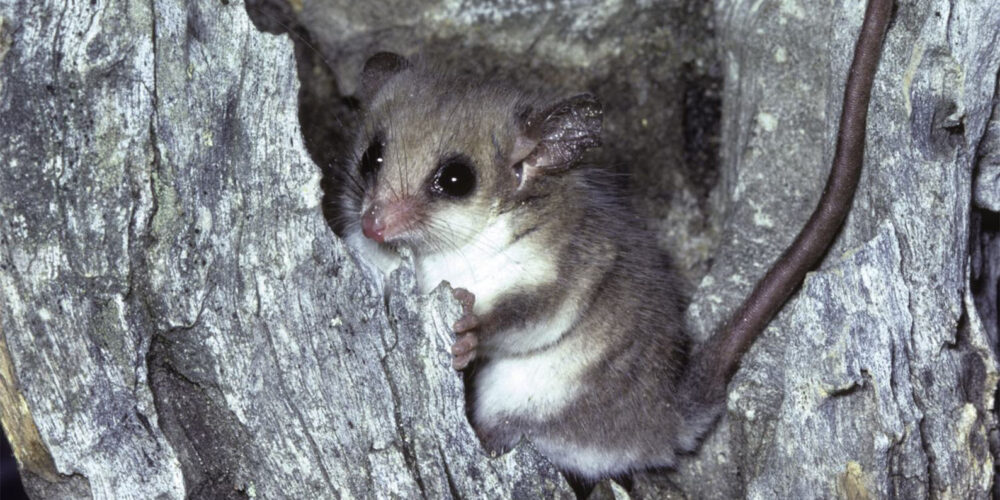
Animal ethics (coming soon)
Learn about the ethical review and approval requirements for research and teaching involving animals in accordance with the Australian Code for the Care and Use of Animals for Scientific Purposes.

Research integrity
Access guidance on responsible research practices, research governance, and maintaining the highest standards of integrity throughout the research lifecycle.

Openness agreement
Curtin University is a signatory to the Openness Agreement on Animal Research and Teaching in Australia developed by the Australian and New Zealand Council for the Care of Animals in Research and Teaching (ANZCCART).