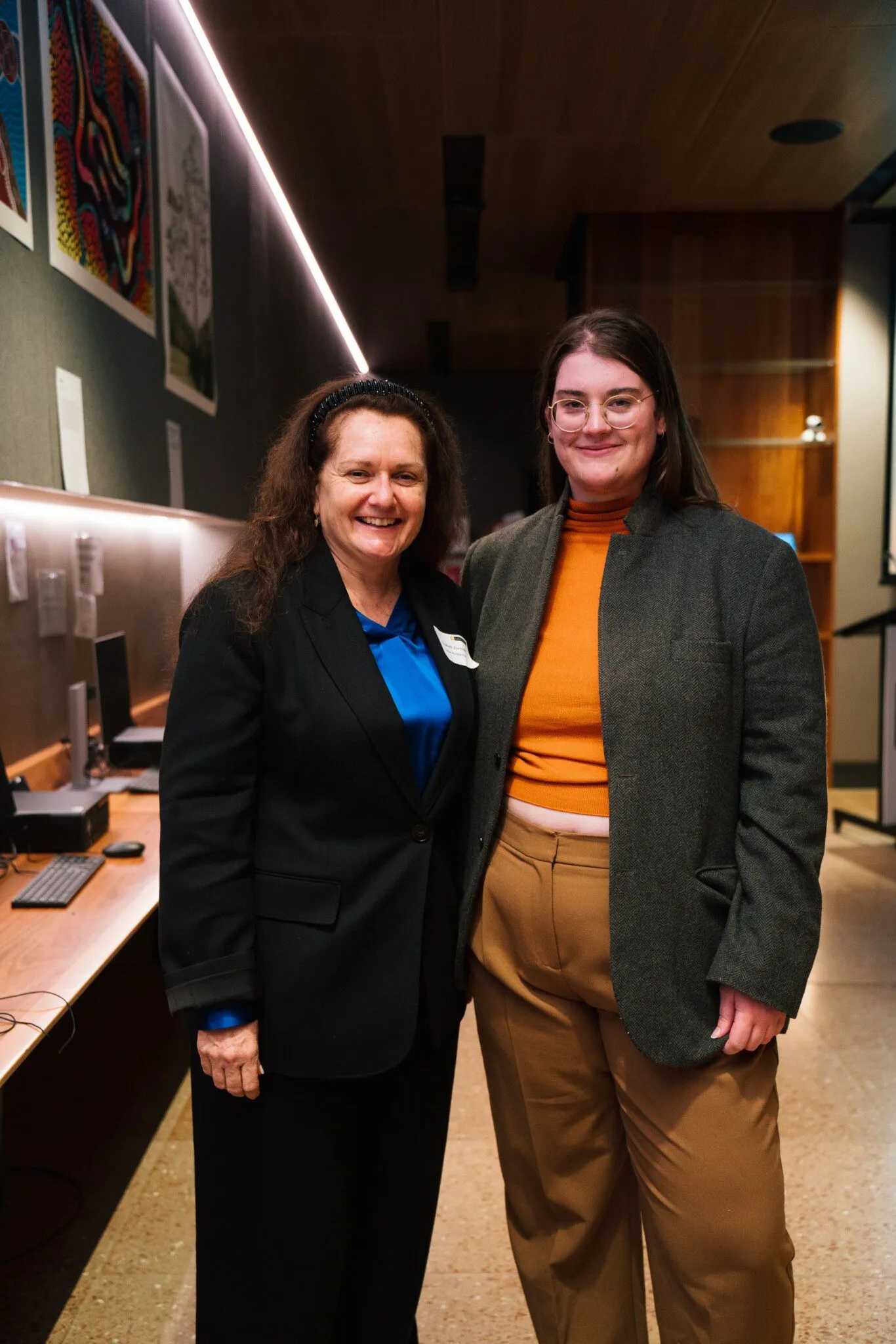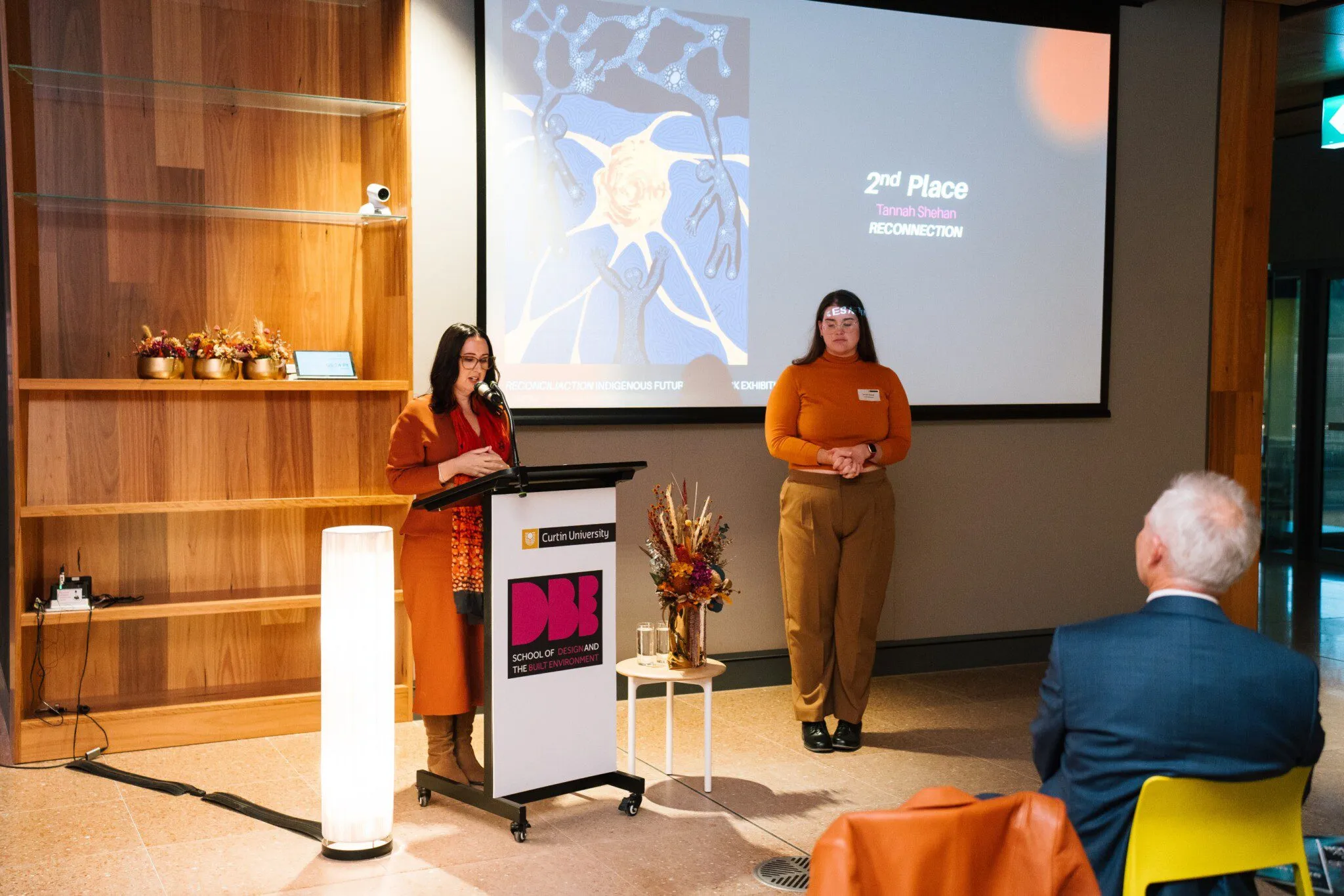
For Curtin University student Tannah Shehan, a Ballardong yok or woman, stepping outside her comfort zone led to two significant achievements: representing Curtin at the Indigenous Nationals and receiving second place in the Indigenous Futures Artwork Competition.
Tannah is studying Professional Writing and Publishing as part of a Bachelor of Arts, alongside Commerce. Her decision to pursue both areas reflects the different strengths she wanted to develop, from recognising patterns and working with data to refining her writing and editing skills.
“I love language, grammar and writing,” Tannah said.
With a particular interest in nonfiction, Professional Writing and Publishing felt like a natural fit. However, it was her desire to find a stronger sense of community on campus that encouraged her to pursue an opportunity beyond the classroom.
Stepping outside her comfort zone
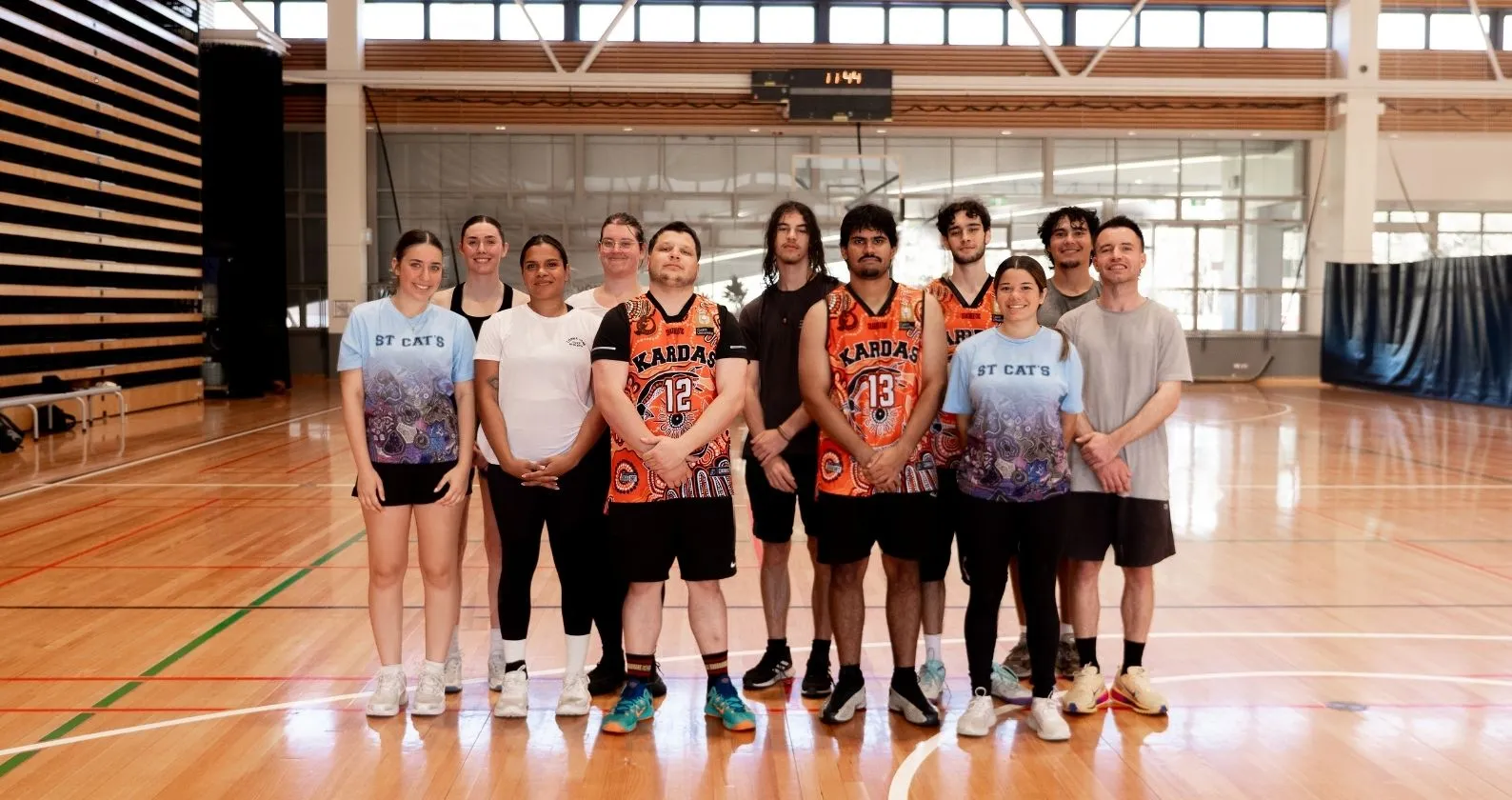
Tannah joined the Curtin Kardas, Curtin University’s representative team at the annual Indigenous Nationals, after actively seeking an opportunity to connect with other Aboriginal and Torres Strait Islander students.
She did not initially know anyone involved with the team, but saw the structured training environment as a meaningful way to meet people and strengthen her connection with community.
“I was looking for community with other Indigenous people on campus,” Tannah said.
“I wanted to take that step outside of my comfort zone and meet people in an organised and structured environment that would help me build those connections with mob.”
Tannah was the only Humanities student selected for the Curtin Kardas and was also the team’s only Commerce student.
While her studies were different from those of many of her teammates, she valued the opportunity to represent areas of the University that may not always be visible within a sporting environment.
For Tannah, her contribution extended beyond athletic ability. It was also about bringing the skills, perspectives and strengths she had developed as a Humanities student to the team.
Returning to where the Games began
The 2026 Indigenous Nationals marked the event’s 30th anniversary and returned to Newcastle, on the lands of the Awabakal and Worimi Peoples, where the Games originated.
For Tannah, travelling and competing in a culturally safe environment made the experience particularly meaningful.
“I had never experienced travelling in a culturally safe environment with people who also viewed the land in the same way that I do,” she said.
“It was special to be able to talk about my experience there with people who understood it, with my spirituality in mind.”
Returning to the place where the Indigenous Nationals began also gave Tannah an opportunity to reflect on the history and significance of the event.
“It felt like a privilege to bring it back to the stories and origins that started such an amazing event,” she said.
One of the most meaningful moments came during the event’s awards ceremony, when Tannah received special recognition from Elders involved in the Games for her cultural contribution and presence.
“Knowing the Elders were watching, knew who I was and appreciated my presence was such an honour,” she said.
“It meant more to me than any gold medal we could have won.”
A dedicated space for culture and community
Beyond the competition itself, Tannah said the Indigenous Nationals created an important space for Aboriginal and Torres Strait Islander students from across Australia to come together, share cultures and celebrate one another’s achievements.
“The Games are about giving a dedicated space, place and time for mob,” she said.
“It is about making sure mob are taking up space, have a voice and can exchange such a huge array of culture and language.”
Travelling with the Curtin Kardas also strengthened the relationships within the team. Entering an unfamiliar environment together required the students to support one another and work as a collective.
“When you travel somewhere new with people and no one else on your team knows anybody there, you become a unit,” Tannah said.
“That strengthens community and connection.”
The experience required a significant commitment alongside Tannah’s studies, including months of training, meetings and preparation. Although she encountered moments when communication and social expectations were challenging, she remained committed to the team and the opportunity.
“It was an extremely difficult experience for me, but it was worth it,” she said.
“I genuinely grew as a person.”
Tannah encouraged other Indigenous students to consider taking part, regardless of whether they see themselves as athletes.
“It is not about whether you are an athlete,” she said.
“It is about whether you can commit to the culture and the team, and show up for yourself and for other people.”
Reconnecting through art
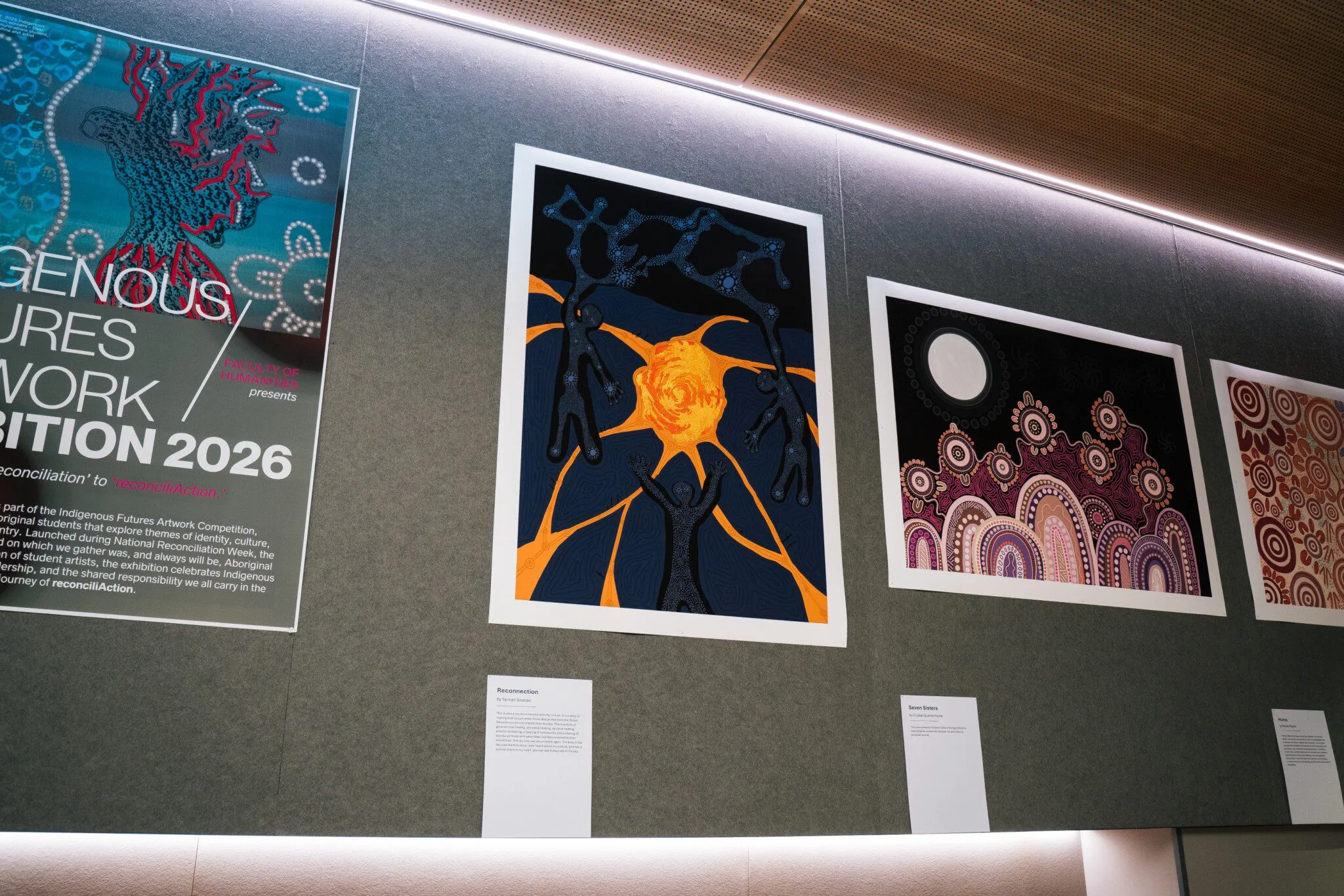
Alongside her involvement in the Indigenous Nationals, Tannah was awarded second place in Curtin’s Indigenous Futures Artwork Competition.
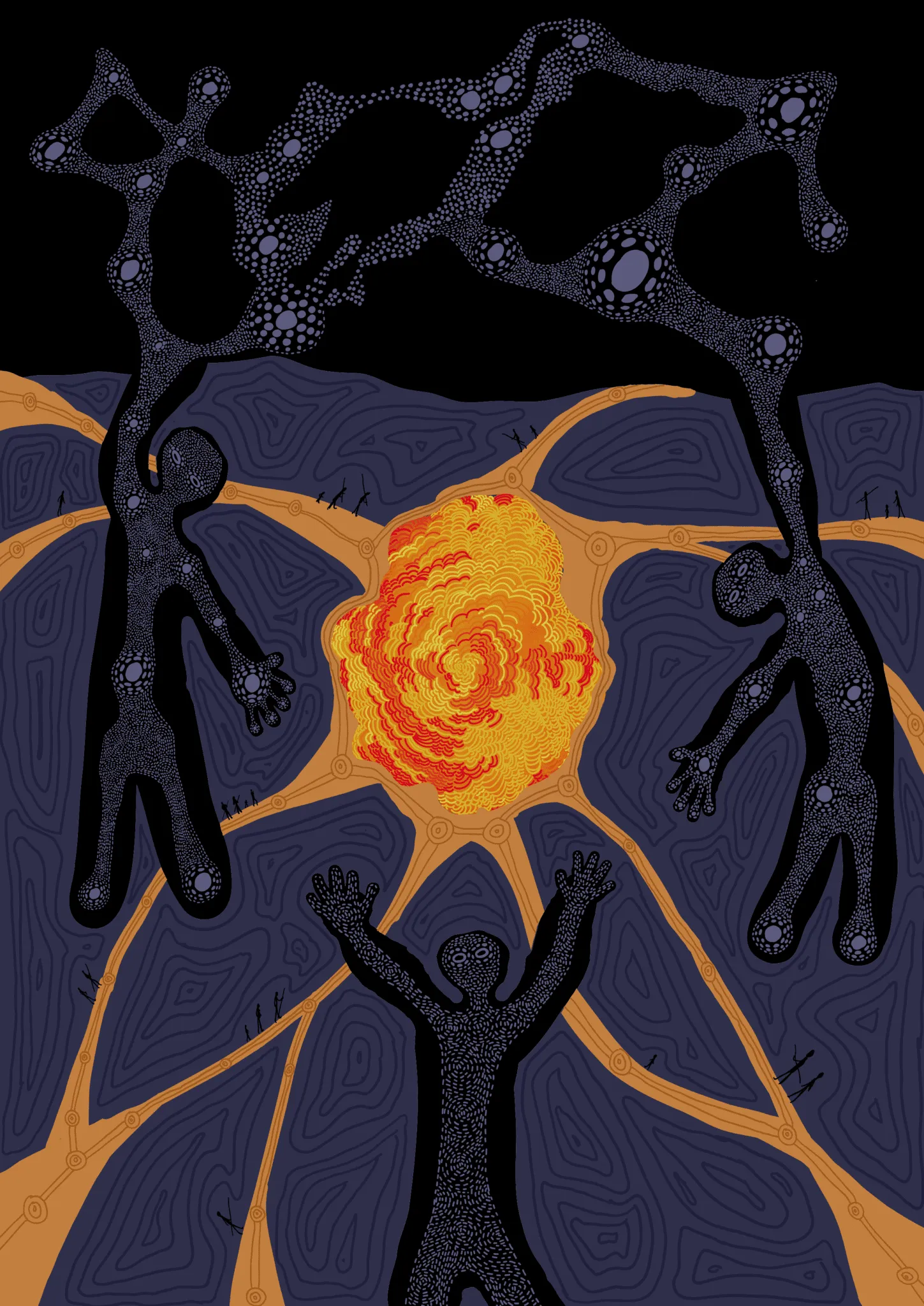
Her artwork explored her personal journey of reconnecting with culture and ancestors. Tannah is the first person in her immediate family to actively reconnect with culture since her ancestors were taken away.
Although much of that process required personal initiative, she emphasised that reconnection has also brought her closer to community.
“Connection to culture means connection to community,” she said.
“The artwork was about me going on that journey, reconnecting with my ancestors and the healing that comes from that.”
Tannah’s work also explored a wider story shared by many Aboriginal and Torres Strait Islander people and families affected by disconnection.
“My story is not unique,” she said.
“On a broader scale, it is about the healing that happens with the land, the people and the community when people come back to culture.”
At the centre of the artwork is the idea of a healing circle, representing people reconnecting with their past, culture, Country and community one by one.
“When people come back and reconnect with their past, their culture and their mob, it creates a huge healing circle,” Tannah said.
“That is what I wanted to highlight in my artwork.”
Through sport, art and writing, Tannah has found different ways to tell stories, strengthen relationships and contribute to her community. Her experiences demonstrate that meaningful opportunities often begin with the decision to step forward, even when the path feels unfamiliar.
Her advice to other Indigenous students is simple: make the commitment and take the opportunity.
“Do it at least once,” she said. “It builds so much character within yourself, and it gives so much to your community.”