


About Us
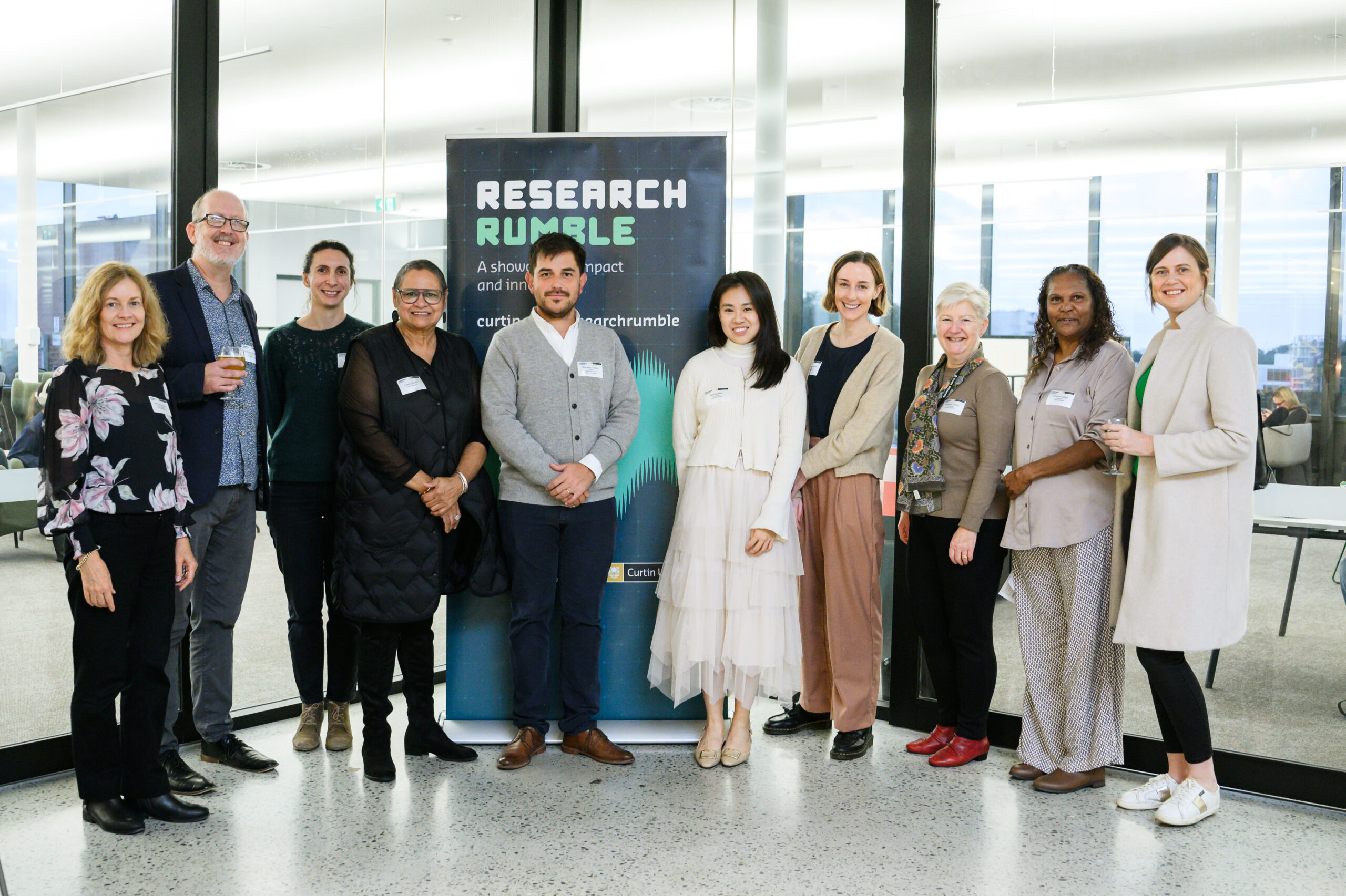
Based at Curtin University’s Medical School, our Indigenous Health Research Program brings together a passionate and multidisciplinary team working to improve the health and wellbeing of Aboriginal and Torres Strait Islander peoples.
We work across disciplines and sectors — from researchers and clinicians to policy partners — united by a shared commitment to health equity. We prioritise projects that can improve outcomes for Aboriginal communities or accelerate progress toward equity.
Our work is shaped by strong governance and guided by Aboriginal Elders and senior Aboriginal researchers. We place Aboriginal voices and worldviews at the heart of every step — from shaping the questions to sharing the answers.
Our research spans epidemiological, qualitative and mixed-methods approaches, with particular strengths in perinatal health and the social and cultural determinants of health.
Our Research Team
Prof Carrington Shepherd
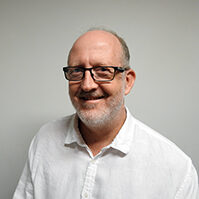
Carrington Shepherd is a Professor at Curtin University, with adjunct appointments at the Telethon Kids Institute and Murdoch University. He leads the Indigenous Health Research Program in Curtin’s Medical School and has worked alongside Aboriginal and Torres Strait Islander communities for nearly 20 years.
Guided by Aboriginal Elders and senior Aboriginal researchers, his program uses epidemiological, qualitative, and mixed-methods approaches to address critical health inequities — with a focus on perinatal health, early life outcomes, and the social and cultural determinants of health.
Carrington’s work is grounded in equity, strong community governance, and meaningful translation. His team has delivered landmark evidence on child mortality, education, racism, and social conditions, and contributed to national reforms. He is also co-founder of the Australian Stillbirth Awareness and Prevention Collaborative, which brings together families, advocates, and researchers to help reduce preventable stillbirths.
Carrington.Shepherd@curtin.edu.au
Ms Carolyn Lewis
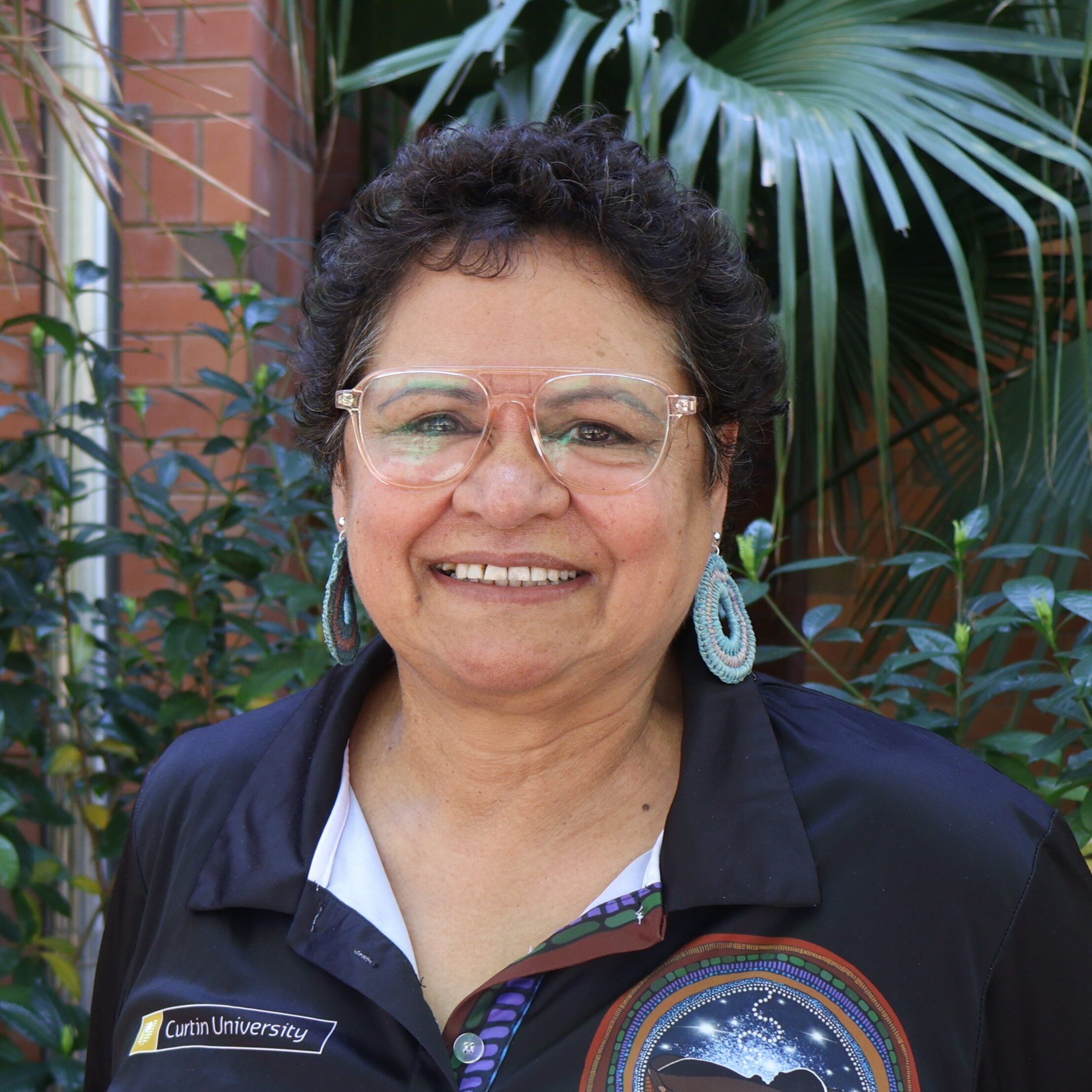
Carolyn Lewis is a Research Fellow at Curtin University’s Medical School, Faculty of Health Sciences. She first commenced work with the Stillbirth CRE while based at the Telethon Kids Institute and continued to do so after starting at Curtin University in October 2021. The Ironbark Project – an Aboriginal healthy ageing research project Carolyn is a Yamatji Noongar woman who grew up on Wadjak Boodja country (Perth) and has strong cultural ties across Western Australia. Carolyn believes big change can come about through yarning to all people, and that sharing knowledge and stories will bring light to injustices, facilitate awareness, and promote positive conversations.
Carolyn.Lewis@curtin.edu.au

Dr Leah Cave
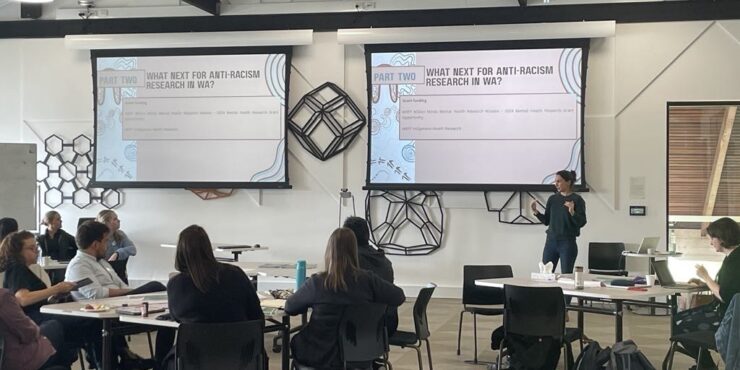
Dr Leah Cave is a Research Fellow in the Indigenous Health Research Program at Curtin Medical School. Her research has concentrated on the health impact of racial discrimination on Aboriginal and Torres Strait Islander children and adolescents, with a focus on the social and cultural determinants of health. She has a strong research interest in building networks within and between the health and education sectors to develop and evaluate effective anti-racism initiatives.
Leah.Cave@curtin.edu.au
Dr Bernardo Dewey
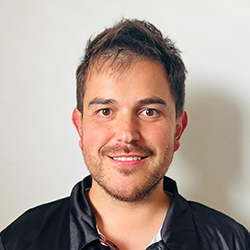
Dr Bernardo Dewey is a sociologist with over 15 years of experience in project management and research across Argentina, Mexico, and Australia. He holds a BA in Sociology, a Master’s in Community Development, and completed his PhD at the University of Western Australia.
Bernardo is currently a Research Fellow at the Indigenous Health Research Program at Curtin Medical School and an Honorary Research Fellow at the Ngangk Yira Institute at Murdoch University. He is coordinating the implementation of a mixed-methods study to build a foundational understanding of stillbirth knowledge among Aboriginal women living in Noongar Country. He has also recently become a Chief Investigator on two large Medical Research Future Fund initiatives—one focused on remodelling bereavement care for Aboriginal families after perinatal loss, and another examining the impact of structural racism on the health of Aboriginal students.
In 2025, Bernardo was awarded the Churchill Fellowship and an Early to Mid-Career Research Fellowship funded by the WA Government’s Future Health Research and Innovation Fund, The Hospital Research Foundation Group, and Curtin University. In the next four years, he will be coordinating the Elder- and community-led project “Moorditj Moort: Strengthening Aboriginal Men’s Involvement in Antenatal Care for Parental and Newborn Health,”
Bernardo.Dewey@curtin.edu.au
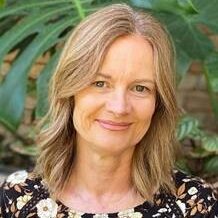
Ms Melissa Dunham
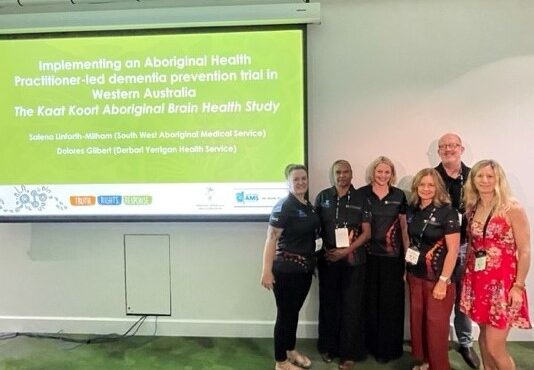
Melissa joined the Indigenous Health Research Program at Curtin Medical School in August 2021 as a dietitian on the Kaat Koort project, an Aboriginal Health Professional-led dementia prevention study in the southwest of Western Australia. In 2023, Melissa combined her duties of dietitian with the role of clinical trial coordinator on the Kaat Koort project and is now part of the Yorga Mooditj Koort trial. Melissa has a Masters in Nutrition and Dietetics and has worked in private practice, and as a research assistant on a variety of projects including mechanisms of immortalisation in cancer cells, mesothelioma, dementia, primary health in rural and remote areas, and other projects focused on improving health outcomes in older persons and vulnerable populations.
Melissa.Dunham@curtin.edu.au

Ms Skye Stewart
Skye Stewart
Wergaia/Wemba Wemba
Lead Indigenous Research Midwife
Skye is a proud Wergaia and Wemba Wemba midwife, mother and artist. Currently working as the Lead Indigenous Research midwife at the Stillbirth CRE and awarded a Fellowship in 2021, Skye’s passion and expertise lay in stillbirth, SIDS and SUDI prevention and sorry business (bereavement) care. Skye’s cultural role and responsibility is to do what they can to ensure Aboriginal parents and their babies stay safe, well, alive and together. Skye has extensive knowledge and experience working with the Aboriginal community in Victoria and has supported many families accessing and navigating the maternity care system. Skye is also passionate about having conversations with healthcare professionals to ensure cultural safety and wellbeing for the Community is at the centre of their care.
skye.stewart@postgrad.curtin.edu.au

Dr Marwan Ahmed
Dr Marwan Ahmed is a Research Associate with the team, with a multidisciplinary background in clinical pharmacy and public health. He holds a Bachelor of Pharmacy, a Master’s in Pharmacology, and a PhD in Public Health from the University of Western Australia, where his doctoral research examined the impact of diabetes in pregnancy on health outcomes among Aboriginal infants in Western Australia.
Marwan is an overseas-trained pharmacist, a registered pharmacist in Australia, and an accredited medication review pharmacist. He has worked across hospital, community, and research settings.
His research interests include perinatal and cardiovascular epidemiology, with a strong focus on improving health outcomes for Aboriginal and Torres Strait Islander peoples. He uses linked administrative data to generate insights that support better health outcomes at both community and population levels.
Carrington’s work is grounded in equity, strong community governance, and meaningful translation. His team has delivered landmark evidence on child mortality, education, racism, and social conditions, and contributed to national reforms. He is also co-founder of the Australian Stillbirth Awareness and Prevention Collaborative, which brings together families, advocates, and researchers to help reduce preventable stillbirths.
Carrington.Shepherd@curtin.edu.au

Professor Rhonda Marriott. AM., PhD., RN., Midwife
Inaugural Pro Vice Chancellor, Ngangk Yira Institute for Change, and Director of the Yorga, Maaman and Koolanga Research and Advocacy Centre, Murdoch University. AM., PhD., RN., Midwife, Fellow CATSINaM.
Matrilineally descended from the Nyikina people of the Kimberley, Prof Marriott, AM has extensive senior University leadership experience, and maintains her professional connection with nursing and midwifery. She champions the translation of codesigned maternal, early childhood and youth research outcomes into national policy and practice to emphasise the strengthening of Aboriginal and Torres Strait Islander family futures through transformational research.
As PVC for the Ngangk Yira Institute for Change, she has drawn together a passionate team of Aboriginal and non-indigenous researchers for meaningful research partnerships with Elders and members from Aboriginal communities across Western Australia.
Rhonda’s Birthing on Noongar Boodjar project was voted ’10 of the Best’ by NHMRC and she has very recently been presented with the Dr Lowitja O’Donoghue Leadership Award at the 2024 CATSINaM Conference which she was honored to receive.

Ms Dolores Gilbert
I’m a Yamitiji woman from Mullewa and grew up on stations around the Midwest with my parents and 7 siblings. I completed a Certificate IV in Aboriginal and/or Torres Strait Islander Primary Health Care Practice and have worked in Roebourne AMS, South Australia and now in Perth with the Kaat Koort Study team.
This study has been a real eye-opener for me as I didn’t realise that there was dementia in our communities. Talking to participants and hearing their positive feedback has been great. I love working with the community helping our people and it makes me proud to hear that we are making a difference in their lives.
Dolores.Gilbert@dyhs.org.au

Ms Salena Linforth-Milham
I was born in Narrogin and come from a strong line of Noongar women. I have a lovely husband, 5 ambitious children and a beautiful granddaughter. I have been working at SWAMS for the past 15 years during which time I have been a receptionist, Health Information Officer and now a Registered Nurse. My passion has always been to help my people and my community our way.
Salena.Linforth@swams.com.au
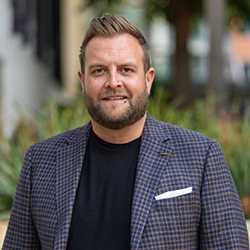
Mr Rohan Collard
Rohan Collard is a Balardong Wudjuk Marmun with strong community connections to the Nyungar nation.
He is an executive level professional with significant experience in the Community Sector, Aboriginal Community Controlled Organisations and the Public Sector. He holds a respected position of cultural authority and knowledge in the Aboriginal community and have demonstrated experience in building strong professional networks.

Ms Tamara Lipscombe
Hi, I’m Tamara. I am a Wadjella (White/settler) Australian, working and researching in concerning inter-cultural psychology and Indigenous-settler relations. I am passionate about social belonging, equality, and diversity.
Following completion of a Bachelor of Psychology (with Honours), I decided to undertake a doctorate research project. In this project, titled ‘Deconstructing socio-cultural tensions associated with Australia Day’, I explore historic and contemporary social contestation surrounding Australia’s national holiday, related Indigenous-settler relations, and coloniality.
In my non-work life, I enjoy connecting with friends, walks/hikes, and stories – in the form of movies, TV series, comedy, books, and anecdotes.
Tamara.Lipscombe@postgrad.curtin.edu.au
Summary:
This project aims to explore the social-cultural tensions surrounding Australia Day and its celebration, with a specific focus on Indigenous-settler relations. An exploratory qualitative approach situated within a decolonising methodologies approach is adopted, and comprises of two individual studies. Study One explores the historical development of Australia Day and its contestation by adopting a genealogical approach for a historical analysis. Study Two explores contemporary Australia Day and its contestation via qualitative yarns with community members (First Australian and settlers).
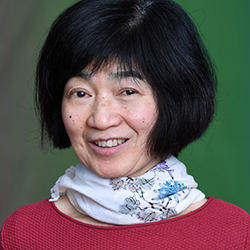
Assoc Prof Jianghong Li
Assoc Prof Jianghong Li completed her Bachelor Degree of Arts with a major in English and English Language from Yunnan University, China, in 1982. She then obtained her Master degree in 1986 and PhD in sociology with a minor in economics in 1992 in the United State.
Since 2000 she has been conducting research in social epidemiology and child health and development in Perth, Western Australia, collaborating with scientists from population health and epidemiology, psychology, labour economics and biomedical sciences. Jianghong Li is an Associate Professor at The Kids Research Institute Australia and a Research Adjunct at the Curtin Indigenous Health Research Program.
Melissa.Dunham@curtin.edu.au
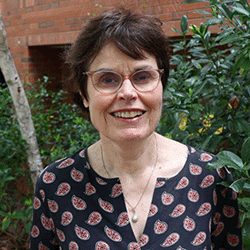
Dr Helen Bailey
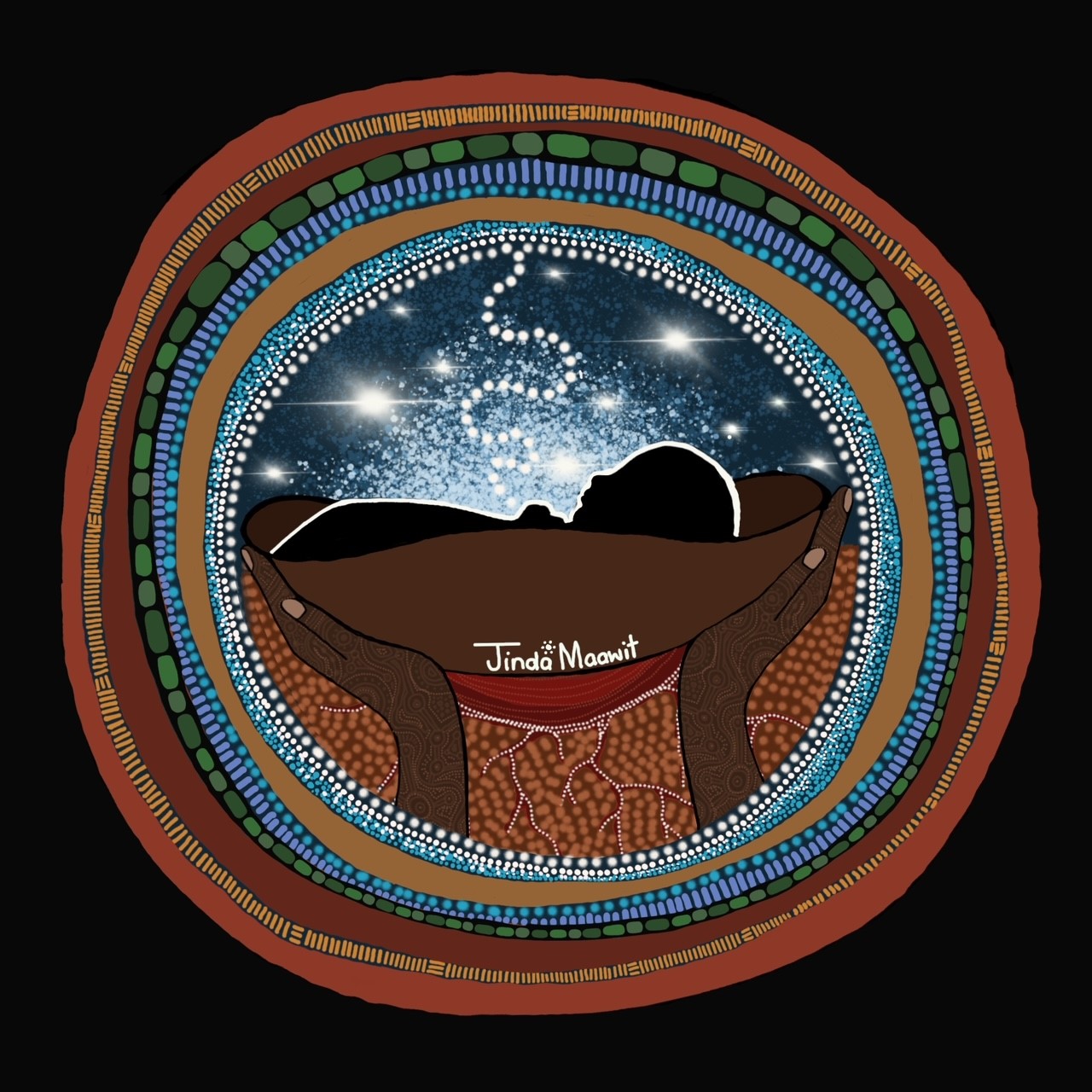
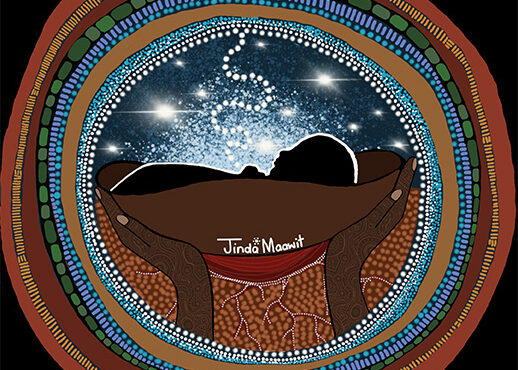
Helen is a Senior Research Fellow in the Indigenous Health Research Group in the Curtin Medical School with adjunct positions at the Telethon Kids Institute and the University of Western Australia. She is a perinatal epidemiologist (PhD and MPH UWA) with a background in nursing (mainly neonatal intensive care), midwifery and child health. She has experience using large, complex datasets to investigate risk factors for prenatal and early life adverse outcomes both in Australia and France. She is currently the co-lead of the epidemiology aim of an NHMRC-funded mixed methods project ‘Jinda Maawit, New insights for reducing Aboriginal stillbirth: Community-led, integrated evidence for change’ project which aims to reduce the gap between outcomes for Aboriginal births compared to non-Aboriginal births.
Helen.Bailey@curtin.edu.au
Belinda Neo
Belinda is a PhD student at Curtin University and an Accredited Practising Dietitian. Her PhD research focuses on investigating vitamin D intakes, modelling vitamin D food fortification scenarios, and understanding how vitamin D levels impact the health of Aboriginal and Torres Strait Islander peoples and the general Australian population. Belinda hopes her research can help improve the vitamin D status of the Australian population.
Summary:
Vitamin D deficiency (serum 25-hydroxyvitamin D (25(OH)D) concentration < 50nmol/L) is prevalent among Aboriginal and Torres Strait Islander peoples, affecting 27% of adults ≥ 18 years and 39% of those living in remote areas. Vitamin D is primarily obtained via UV-B radiation from the sun, but can also be obtained from food (e.g., fish, eggs, and meat) and supplements. However, vitamin D intake among Aboriginal and Torres Strait Islander peoples is unknown. Vitamin D deficiency may result in adverse health outcomes beyond musculoskeletal health, such as metabolic syndrome and poor mental health, which are health conditions prevalent among Aboriginal and Torres Strait Islander peoples. The association between serum 25(OH)D concentration and those health outcomes has not yet been investigated among Aboriginal and Torres Strait Islander peoples using nationally representative data. Belinda’s PhD project addresses these research gaps, providing new insights into vitamin D among Aboriginal and Torres Strait Islander peoples in Australia. Her research objectives are: Quantify vitamin D intake among Aboriginal and Torres Strait Islander peoples. Model vitamin D food fortification scenarios among Aboriginal and Torres Strait Islander peoples. Investigate associations between serum 25(OH)D concentration and metabolic health and its individual risk factors among Aboriginal and Torres Strait Islander peoples. Investigate association between serum 25(OH)D concentration and mental health among Aboriginal and Torres Strait Islander peoples.
News


Our Research Projects
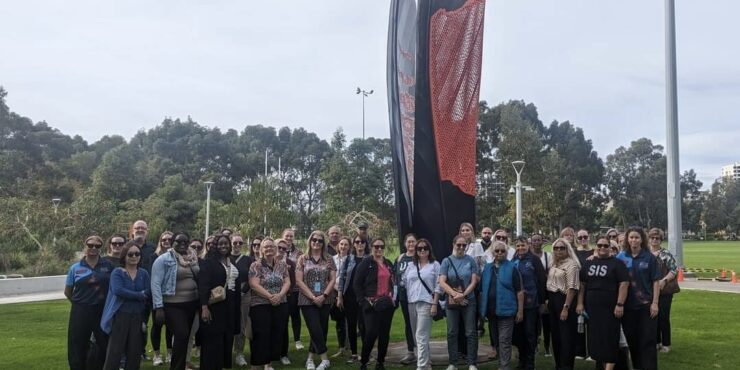
Student Engagement
Our Research Partners
- Ngangk Yira Institute for Change – Murdoch University
- Derbarl Yerrigan Health Service
- South West Aboriginal Medical Service
- Wheatbelt Aboriginal Health Planning Forum
- Great Southern Aboriginal Health Planning Forum
- WA Aboriginal Health Ethics Committee
- The Kids Research Institute Australia
- University of Western Australia
- University of Melbourne
- Centre for Research Excellence in Stillbirth
- Still Aware
- Red Nose
- King Edward Memorial Hospital
- Armadale Health Services – Boodjari Yorgas
- Maar Mooditj
- LUMA – Aboriginal Women’s Services
- Wadjak Northside
- St John of God
- Rockingham General Hospital
- Edith Cowan University
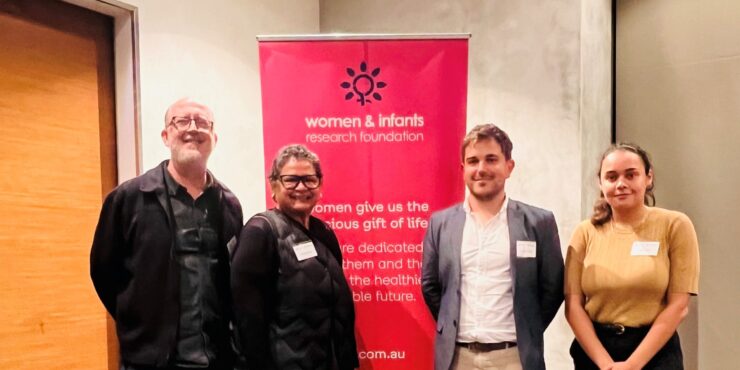
- Women and Infants Research Foundation
- University of New South Wales
- Australian National University
Aboriginal Advisory Group

Contact us
To get in touch with our team, please email:
christian.crozier@curtin.edu.au